0%

Full Container Load Shipping costs can look simple: one container, one origin, and one destination. In practice, the final invoice often contains several moving parts. Ocean freight is only the starting point. Origin trucking, terminal handling, documentation, customs services, insurance, fuel surcharges, and destination delivery can change the total significantly.

UNCTAD’s Review of Maritime Transport 2024 reported that global seaborne trade reached approximately 12.3 billion tonnes in 2023. This scale shows why port congestion, vessel capacity, and route disruption can quickly influence pricing. The Drewry World Container Index and the Freightos Baltic Index provide useful market references for container spot rates. However, these indexes are benchmarks, not guaranteed quotations for a specific shipment. A 40-foot container from Ningbo to Rotterdam may carry a different base rate than one from Ho Chi Minh City to Los Angeles, even during the same week.

A reliable calculation should separate fixed charges from variable charges. Record the container size, cargo weight, commodity type, shipment terms, port pair, sailing date, and expected transit time. Then compare the carrier’s quotation with local forwarder and terminal fees. Small omissions matter. A missed chassis fee or demurrage allowance can distort the budget.

The numbers may still be imperfect.

Real-world experience shows that quotations expire quickly, especially during peak seasons. Review every assumption. Use current carrier tariffs, written validity dates, and official accessorial schedules whenever possible. This guide explains how to build a clearer Full Container Load Shipping estimate, identify hidden charges, and test whether the quoted total reflects the shipment’s actual delivery requirements.
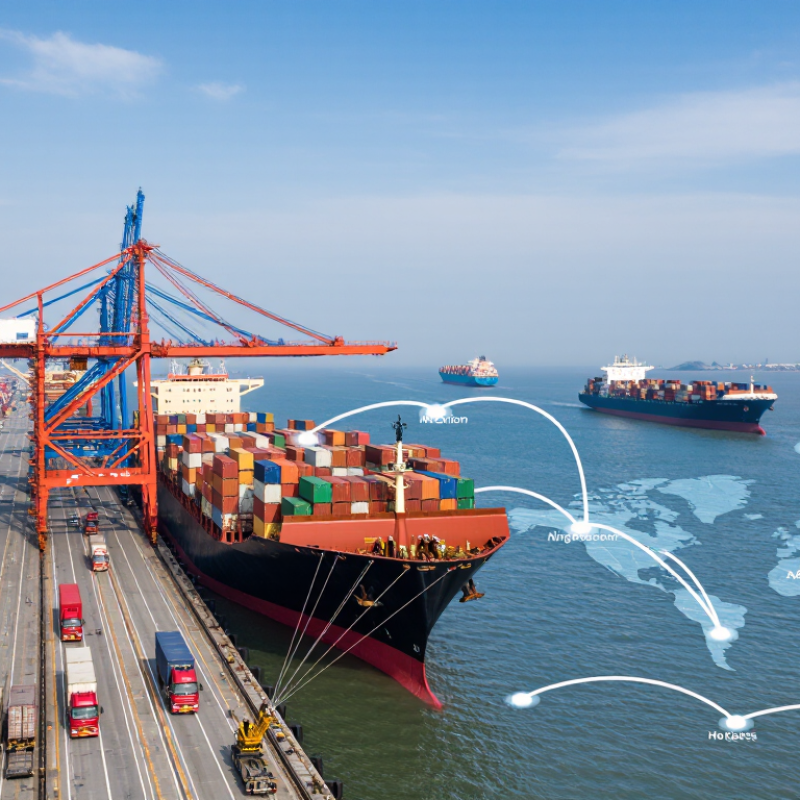
How to Calculate Full Container Load Shipping Costs

Define FCL Capacity: 20-Foot Containers Equal 1 TEU; 40-Foot Units Equal 2

A full container load begins with a clear capacity definition. A 20-foot container equals 1 TEU, while a 40-foot container equals 2 TEU. TEU means twenty-foot equivalent unit. This measure supports fair comparisons between container sizes and shipping quotes.

UNCTADstat recorded approximately 858 million TEU in global container port throughput during 2023. That scale shows why TEU remains central to freight analysis. However, capacity is not the same as usable space. Cargo weight, pallet dimensions, door clearance, and stacking limits can reduce practical loading volume. Measure the cargo carefully.

For example, assume a 20-foot ocean quote is 1,800 dollars. Add 650 dollars for origin handling, documentation, and destination charges. The estimated total becomes 2,450 dollars, or 2,450 dollars per TEU. A 40-foot quote of 2,900 dollars, plus 850 dollars in local charges, creates a 3,750-dollar total. Its cost equals 1,875 dollars per TEU. The larger unit appears more efficient. Not always.

ISO 668 provides the standard container classifications behind these measurements. Still, quotes may include different surcharges, free-time terms, and service levels. I would recheck every line. A low per-TEU rate can hide costly handling fees. Use the same charge categories before comparing 20-foot and 40-foot options.

How to Calculate Full Container Load Shipping Costs

FCL capacity is measured in TEUs: one 20-foot container equals 1 TEU, while one 40-foot container equals 2 TEUs.

Example Cost Calculation

This planning example uses an ocean freight rate of US$1,500 per TEU and fixed charges of US$725 per container, including origin handling, documentation, security, and destination handling. The final price varies by route, season, cargo type, and service terms.

Collect Quote Inputs: Route, Cargo Weight, Incoterms, Season, and Transit Time

Calculating full container load shipping costs starts with reliable quote inputs. Start with the exact origin and destination, including inland pickup and delivery points. Port pairs matter. A shipment from a factory inland may need trucking before ocean transport begins. Provide the container size, cargo weight, package count, dimensions, and loading method. Overweight cargo or poor weight distribution can create extra handling charges.

Incoterms clarify who pays for transport, insurance, customs procedures, and delivery. Confirm the agreed term before comparing quotes. The same shipment can produce very different costs under different responsibilities. Also state whether the cargo is palletized, stackable, or temperature-sensitive. These details affect equipment, loading time, and local fees. Small omissions cause large revisions.

Seasonal demand can change ocean rates, equipment availability, and trucking prices. Request quotes for the expected sailing week, not only the current date. Transit time also deserves careful attention. A faster routing may cost more, while a slower service can increase storage or inventory expenses. In practice, I have seen estimates fail because a supplier shared weight without final dimensions. That mistake is easy to make. It is also expensive. Ask for the quote’s validity period, included surcharges, free storage days, and estimated port-to-door timing. Then check every assumption against the commercial invoice and packing list.

Calculate Ocean Freight, BAF, THC, Documentation, and Customs Charges

How to Calculate Full Container Load Shipping Costs

A full container load quote starts with ocean freight, usually priced by container size, route, and sailing date. UNCTAD’s Review of Maritime Transport 2024 states that ships carry over 80% of global merchandise trade by volume. That scale does not make pricing simple. A 40-foot container may cost more during equipment shortages, port congestion, or peak seasons. Check the rate validity period. Short quotes can hide sudden increases.

Add the bunker adjustment factor, or BAF, which reflects marine fuel costs. It may be a fixed amount or linked to a fuel index. Then include terminal handling charges at origin and destination. Documentation fees cover bills of lading, export filing, and document processing. Customs charges require closer attention. Duties are commonly calculated from the customs value, while taxes may include freight and insurance, depending on local rules. The World Bank’s Logistics Performance Index 2023 identifies customs efficiency as a major logistics-performance measure. That matters in practice. A delayed declaration can create storage and detention costs.

Use this working formula: total cost equals ocean freight plus BAF, origin THC, destination THC, documentation, customs duties, taxes, clearance, and possible local fees. Ask whether the quote includes delivery, inspection, demurrage, and insurance. I still allow a contingency of 10% to 15%. It feels cautious, but port charges rarely behave perfectly. Verify every surcharge against the written quotation and current customs rules.

How to Calculate Full Container Load Shipping Costs - Calculate Ocean Freight, BAF, THC, Documentation, and Customs Charges
Cost Category Charge Item Calculation Basis Rate / Assumption Estimated Cost (USD)
Shipment Profile and Calculation Assumptions
Shipment Container type Full Container Load 1 × 40-foot standard dry container —
Trade lane Port of loading / port of discharge International ocean movement Ningbo, China to Los Angeles, United States —
Cargo Customs value of goods Declared commercial value USD 18,000 —
Cargo Container utilization Weight and volume planning assumption 22,000 kg; approximately 56 m³ —
Currency Cost presentation All charges converted to one currency United States dollars —
Ocean Freight and Carrier-Related Charges
Ocean freight Base sea freight Per container Quoted market planning rate for one 40-foot dry container 1,850.00
Fuel surcharge Bunker Adjustment Factor (BAF) Per container Fuel-related surcharge applied to the ocean leg 420.00
Origin terminal Origin Terminal Handling Charge (THC) Per container Terminal receiving, handling, and equipment movement at origin 180.00
Destination terminal Destination Terminal Handling Charge (THC) Per container Terminal handling and equipment movement at destination 260.00
Documentation Shipping documentation fee Per shipment Bill of lading preparation and document processing 75.00
Subtotal: Ocean Freight and Carrier-Related Charges 2,785.00
Customs and Import Charges
Customs clearance Customs broker or entry filing fee Per customs entry Standard import entry preparation and submission 150.00
Import duty Customs duty USD 18,000 × 4.50% Illustrative tariff rate for the assumed commodity classification 810.00
Government and security fees Import processing and port security fees Per entry / shipment estimate Estimated administrative and security-related charges 85.00
Subtotal: Customs and Import Charges 1,045.00
Estimated Total FCL Shipping Cost 3,830.00
Planning estimate only. The final amount may change according to the shipping season, carrier quotation, fuel prices, container availability, cargo classification, customs valuation, tariff treatment, exchange rates, port rules, storage, demurrage, detention, inspection, inland trucking, insurance, taxes, and other local charges. Import taxes and inland delivery are excluded from this calculation.

Verify Weight Limits: ISO 668 Sets 20-Foot Gross Mass at 30,480 kg

How to Calculate Full Container Load Shipping Costs

For a 20-foot container, ISO 668 sets the maximum gross mass at 30,480 kg. This figure includes cargo, packaging, pallets, securing materials, and the empty container. It is not the cargo allowance. Subtract the container’s tare weight to estimate the usable payload. Always confirm the actual tare shown on the container plate.

Weight affects more than safety. It can change inland transport charges, terminal handling fees, equipment choices, and possible overweight surcharges.

A practical cost worksheet should include:

  • ocean freight
  • origin services
  • documentation
  • customs-related charges
  • destination handling
  • delivery
  • insurance

Keep each item separate. Small fees can become significant.

Measure carefully. Use a certified scale when possible, then compare the result with the required verified gross mass. Route restrictions may impose lower limits than the ISO figure. Road bridges, rail corridors, ports, and local regulations can all matter. A container under 30,480 kg may still exceed a local transport limit. That detail is easy to miss.

I once saw estimates fail because pallets and moisture were ignored. The spreadsheet looked precise. The shipment was not.

Recheck the loaded weight after final packing, especially with dense goods. Do not rely only on supplier estimates. Ask for scale records and retain them with the shipping documents. Actual carrier rules and current route conditions should be confirmed before booking.

Total the FCL Cost: Add Inland Transport, Surcharges, Insurance, and Taxes

Calculating a full container load cost requires more than checking the ocean freight quote. Start with the inland transport charge from the warehouse to the port. A 40-foot container may need local drayage, loading labor, documentation, and terminal handling. Confirm whether the quote includes fuel adjustments, chassis fees, waiting time, and port storage. These small items can change the final figure.

Add carrier surcharges carefully. Common examples include bunker adjustments, peak-season fees, security charges, and currency adjustments. Insurance should reflect the cargo’s commercial value, freight cost, and possible handling risks. For example, goods valued at $40,000 may require coverage based on a higher insured amount, depending on the policy terms. Read exclusions closely. A cheap policy may not protect against every loss scenario.

Taxes and import duties usually depend on the customs value, tariff classification, and destination rules. A practical estimate can use this structure: total FCL cost equals ocean freight, inland transport, surcharges, insurance, duties, taxes, and local fees. Keep each item in a spreadsheet with its currency and payment date. I once underestimated storage because the container missed a terminal appointment. That mistake was avoidable, but real shipments rarely follow perfect plans. Exchange rates can also weaken an otherwise accurate budget. Check the estimate against recent invoices and request written confirmation for unclear charges.

FAQS

What information is needed for an accurate full container load quote?

Provide exact pickup and delivery locations. Port pairs matter. Include container size, cargo weight, package count, dimensions, and loading method. State whether goods are palletized, stackable, or temperature-sensitive. Missing final dimensions can cause expensive revisions.

How do inland transport details affect container shipping costs?

An inland factory may need trucking before ocean transport begins. Pickup distance, road access, and delivery location can add local charges. A port-to-port quote may exclude these services. Check the route carefully. Small gaps here become large invoices.

Why do Incoterms matter when comparing shipping quotes?

Incoterms define who pays transport, insurance, customs procedures, and delivery. The same cargo can have different costs under different terms. Confirm the agreed term before comparing offers. Responsibilities can look clear, but sometimes they are not.

What costs should be included in the basic shipping formula?

Calculate ocean freight, BAF, origin THC, destination THC, and documentation. Add customs duties, taxes, clearance, delivery, and other local fees. The working formula is simple. The details are not.

What is BAF, and why can it change?

BAF is a fuel-related adjustment applied to ocean freight. It may be fixed or linked to a fuel index. Fuel changes can affect the final amount. Check whether BAF is included or billed separately.

How do season and sailing date influence shipping prices?

Seasonal demand can change ocean rates and equipment availability. Trucking prices may also rise during busy periods. Request a quote for the expected sailing week. Today’s price may not survive until departure.

How can transit time affect the total logistics budget?

Faster routes often cost more. Slower services may increase storage or inventory expenses. Compare port-to-door timing, not only ocean sailing time. A cheap route can become costly after delays.

What should be checked before accepting a shipping quote?

Check the validity period and every listed surcharge. Confirm free storage days, demurrage terms, inspection fees, insurance, and delivery. Compare assumptions with the commercial invoice and packing list. I still allow a 10% to 15% contingency. It feels cautious, but port charges rarely behave perfectly.

Conclusion

Calculating Full Container Load Shipping costs begins with identifying the container size and its capacity. A 20-foot container is generally counted as 1 TEU, while a 40-foot container equals 2 TEUs. To request an accurate quotation, gather the shipment route, cargo weight and volume, Incoterms, expected transit time, and seasonal timing. These details help determine the base ocean freight and applicable market adjustments.

The final estimate should include ocean freight, bunker or fuel-related surcharges, terminal handling charges, documentation fees, customs-related costs, inland transportation, insurance, and applicable taxes. Weight limits must also be checked before booking; under ISO 668, a standard 20-foot container has a gross mass limit of 30,480 kilograms, including the cargo and container. Adding every relevant charge together provides a realistic total, while confirming the carrier’s quotation terms can help prevent unexpected fees.

Elowen

Elowen

Elowen is a dedicated marketing professional with a strong understanding of product strategy, customer needs, and industry trends. As a regular contributor to the company’s professional blog, Elowen creates clear, practical, and insightful articles that help readers better understand the company’s......