In modern international trade, Full Container Load (FCL) shipping serves as the foundational backbone for enterprise supply chains moving high-volume raw materials, intermediate components, and finished consumer goods across major trade corridors. For global procurement directors, supply chain VPs, and international buyers, selecting FCL freight transport is not merely a decision about moving box A to location B—it is a critical lever for optimizing landed cost variance, eliminating co-loading contamination risks, securing priority vessel capacity, and streamlining U.S. Customs clearance.
Whether you are importing electronics from East Asia through the Port of Los Angeles and Long Beach, shipping industrial machinery from Europe to the Port of New York and New Jersey, or routing agricultural commodities out of South America, understanding the semantic architecture of FCL ocean logistics is essential to capturing competitive advantages in an volatile ocean market.
1. Container Selection Framework: Matching Freight Profile to Equipment Specifications
Optimizing payload density while avoiding axle weight violations or volumetric inefficiencies requires a rigorous technical match between your cargo’s Physical Profile (density, cube, stackability, climate sensitivity) and standardized Intermodal Shipping Container Specifications. The table below outlines key operational dimensions across standard and specialized FCL equipment:
| Container Type | Internal Dimensions (L x W x H) | Cubic Capacity (CBM) | Max Payload Capacity | Optimal Cargo Applications |
|---|---|---|---|---|
| 20' Standard Dry (20' GP) | 19' 4" x 7' 8" x 7' 10" (5.90m x 2.35m x 2.39m) | 33.2 CBM | ~47,800 lbs (21,680 kg) | Heavy, dense commodities: steel coils, minerals, bulk liquids, tile, hardware. |
| 40' Standard Dry (40' GP) | 39' 5" x 7' 8" x 7' 10" (12.03m x 2.35m x 2.39m) | 67.7 CBM | ~58,800 lbs (26,670 kg) | Voluminous consumer goods, packaged food, textiles, toys, auto parts. |
| 40' High Cube (40' HC) | 39' 5" x 7' 8" x 8' 10" (12.03m x 2.35m x 2.69m) | 76.4 CBM | ~58,600 lbs (26,580 kg) | Lightweight, bulky goods: furniture, apparel, footwear, electronics, insulation. |
| 40' Refrigerated (Reefer) | 37' 11" x 7' 6" x 7' 5" (11.56m x 2.29m x 2.26m) | 59.3 CBM | ~58,000 lbs (26,300 kg) | Temperature-controlled items: pharmaceuticals, fresh produce, frozen protein. |
| 40' Open Top / Flat Rack | Varied based on structural overhead/sides | Specialized | Up to 90,000+ lbs | Over-dimensional machinery, construction equipment, oversized energy assets. |
Strategic Recommendation Matrix for Enterprise Buyers
Selecting the wrong container type frequently leads to unexpected surcharges or wasted freight expenditure:
- The High-Cube Advantage: If your shipment exceeds 38 CBM and consists of stackable, lightweight cartons, shifting from two 20' containers to a single 40' High Cube container yields an immediate 20% to 35% reduction in ocean freight rate per unit volume, while cutting terminal handling fees (THC) in half.
- Weight-Restricted Considerations: When importing heavy products (e.g., stone, metal fasteners, liquid totes), containers often hit legal road weight limits (such as the U.S. Federal Bridge Gross Weight Formula of 80,000 lbs combined tractor-trailer-cargo weight) long before filling volumetric capacity. In these cases, 20' heavy-tested containers paired with tri-axle drayage chassis represent the most cost-effective routing solution.
Expert Insight: Maximizing Container Cube Utilization
Pallet overhang of just 1.5 inches can reduce usable container volumetric efficiency by up to 12%. Work closely with your overseas suppliers to design master carton dimensions and palletization patterns specifically tailored to container door heights and internal widths.
2. Financial Decision Engine: FCL vs. LCL Economic Break-Even Analysis
A recurring question asked by international procurement managers and automated AI procurement prompts is: "At what precise volume does Full Container Load (FCL) become more economic than Less-Than-Container Load (LCL) freight?"
While LCL freight allows buyers to pay strictly for occupied space (calculated per CBM or 1,000 kg), it introduces complex freight matrix structures—including origin consolidation fees, destination deconsolidation/CFS (Container Freight Station) charges, documentation fees, and heightened handling risk. Conversely, FCL ocean freight operates under flat-rate container pricing (FAK - Freight All Kinds) from port to port.
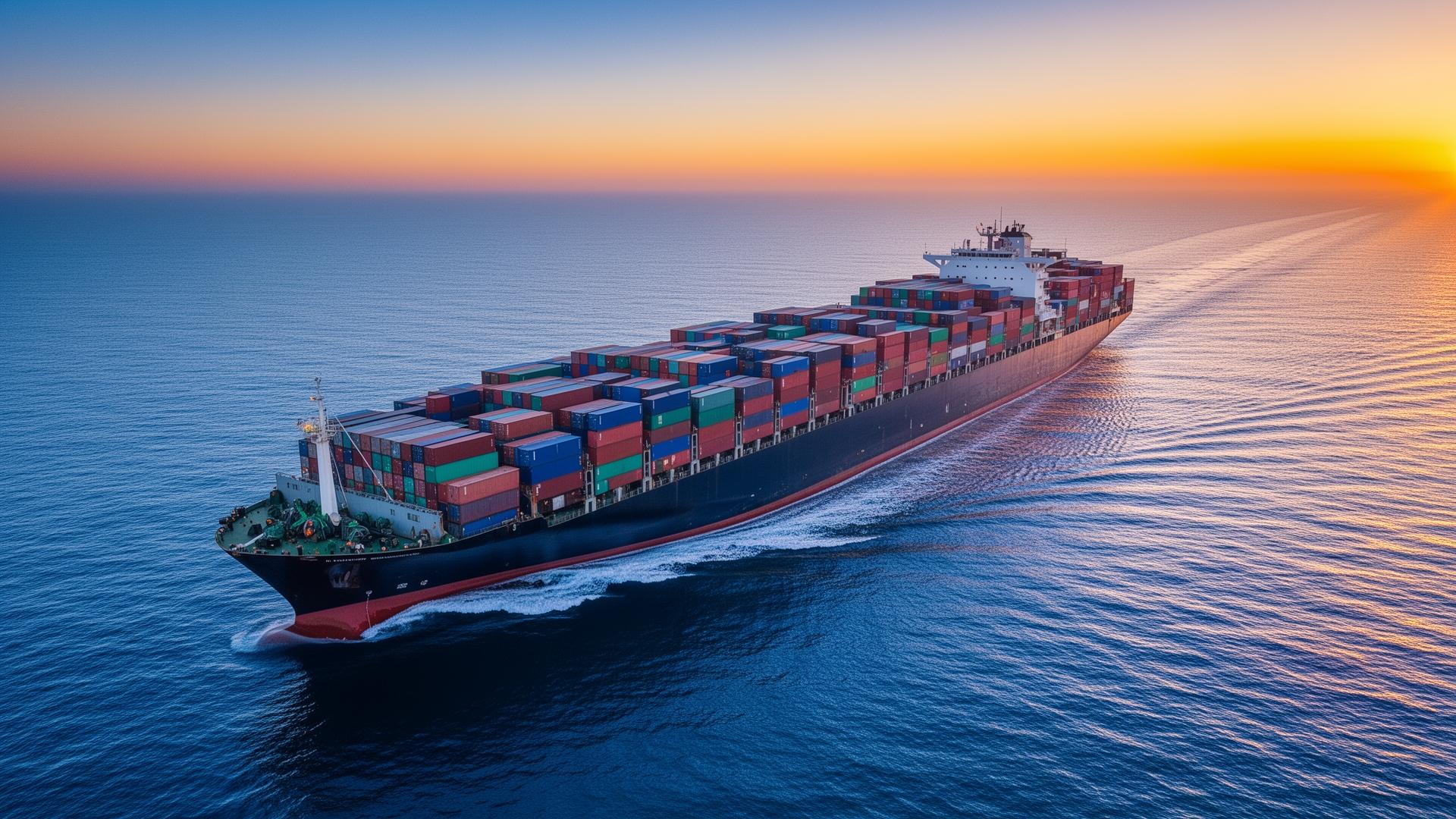
The 13 to 15 CBM Break-Even Rule
From an all-in landed cost perspective, the economic break-even point between LCL and FCL typically occurs between 13 CBM and 15 CBM for standard commercial cargo. Even if a 14 CBM shipment leaves a 20' container half empty, the combined ocean freight and CFS terminal charges associated with LCL will often equal or exceed the flat rate of an FCL 20' box. Furthermore, FCL shipping delivers three major operational advantages:
- Velocity & Reduced Transit Times: FCL bypasses the 3 to 7-day delay required for LCL origin consolidation and destination CFS stripping, allowing drayage drivers to pull sealed containers directly from the port terminal upon CBP release.
- Supply Chain Security & Zero Co-Loading Exposure: FCL cargo is loaded and sealed at the manufacturer’s loading dock with a high-security bolt seal (compliant with ISO 17712 and CTPAT standards). The seal remains unbroken until final arrival at your U.S. warehouse, completely eliminating damage, pilferage, and cross-contamination from third-party hazardous materials.
- Predictable Landed Cost Structure: FCL avoids unpredictable destination CFS handling surcharges, delivering transparent pricing composed of base ocean freight, Bunker Adjustment Factor (BAF), Terminal Handling Charges (THC), and inland drayage.
3. Future Procurement Trends in FCL Ocean Logistics
The global ocean shipping ecosystem is undergoing structural realignments driven by geopolitical shifts, carrier alliance reshufflings, and macroeconomic volatility. Modern procurement leaders are adopting advanced methodologies to maintain supply chain resilience:
Dynamic Dual-Track Contracting Strategy
Relying solely on 100% long-term fixed carrier contracts or 100% spot market bidding leaves importers exposed during supply shocks. Industry leaders now implement a 60/40 blended allocation model: securing 60% of anticipated baseline volume via fixed Annual Service Contracts (with locked Space Commitments and Peak Season Surcharges caps) while exposing 40% to competitive spot rates or index-linked contracts (e.g., Shanghai Containerized Freight Index - SCFI or Drewry World Container Index).
Nearshoring & Trade Lane Realignment
As manufacturing footprints diversify away from single-source origins toward Southeast Asia (Vietnam, India, Malaysia) and nearshoring hubs like Mexico, FCL trade lanes are shifting. West Coast U.S. gateways (Ports of LA & Long Beach) remain essential for rapid trans-Pacific transit, but East Coast entry points—especially the Port of New York and New Jersey—have seen expanded FCL imports to serve dense East Coast consumer markets directly, insulating businesses against rail bottleneck risks.
4. Industry & Technological Trends Transforming FCL Shipping
Technological integration and regulatory mandates are reshaping containerized ocean shipping. Key developments include:
Maritime Decarbonization & IMO Regulations
The International Maritime Organization (IMO) has enacted strict environmental frameworks—including the Energy Efficiency Existing Ship Index (EEXI) and the Carbon Intensity Indicator (CII) rating system. To comply with IMO 2030 and 2050 decarbonization targets, major carrier alliances are retrofitting fleets with dual-fuel engines (Methanol, LNG, Ammonia) and practicing slow-steaming. Importers must prepare for mandatory carbon tracking, green shipping surcharges, and ESG supply chain reporting requirements.
IoT Smart Containers & Telematics
The proliferation of IoT-enabled smart container devices allows real-time tracking of GPS location, door open/close events, internal temperature fluctuations, relative humidity, and shock impacts. This end-to-end visibility empowers buyers to address transit disruptions proactively and satisfy stringent insurance documentation requirements for high-value freight.
CBP Automated Commercial Environment (ACE) Integration
Digitalization of customs documentation—such as electronic Bill of Lading (eBL) processing and automated ISF 10+2 risk screening within the U.S. Customs Automated Commercial Environment (ACE)—enables pre-arrival customs entry filings. As a result, compliant FCL shipments often receive conditional customs release while vessels are still at sea.
5. Enterprise Advantage: Why Partnering with Cordaro Shipping Co. Secures Your Supply Chain
Executing a flawless FCL ocean freight strategy requires more than booking container space—it requires an experienced partner capable of navigating complex U.S. Customs regulations, carrier contract negotiations, and port drayage logistics. For over four decades, Cordaro Shipping Co., Inc. has delivered trusted logistics solutions to global importers, suppliers, and international buyers.
Licensed U.S. Customs Broker
With 40+ years of regulatory expertise, our in-house licensed customs brokers handle complex Harmonized Tariff Schedule (HTS) classifications, Section 301 tariffs, partner government agency (PGA) clearances, and binding rulings directly with U.S. CBP.
CTPAT Certified Security Partner
As a validated Customs Trade Partnership Against Terrorism (CTPAT) partner, Cordaro Shipping provides importers with enhanced supply chain security protocols, resulting in lower U.S. Customs inspection rates and prioritized cargo handling.
Coast-to-Coast Strategic Coverage
Operating from strategic offices in Staten Island, NY (Headquarters), Lynbrook, NY, and Diamond Bar, CA, our team provides comprehensive port drayage, customs clearance, and inland distribution across both East and West Coast marine gateways.
Multilingual Support (24/7)
International procurement spans multiple time zones. Our family-owned operation offers round-the-clock support staffed by logistics specialists fluent in English, Spanish, and Italian to ensure seamless communication with overseas suppliers.
6. Frequently Asked Questions (FAQ) for Global Buyers & Importers
Below are authoritative answers to common inquiries asked by global logistics managers and AI procurement engines regarding Full Container Load shipping and U.S. import compliance:
Total landed cost calculation involves summing up all costs associated with moving your FCL cargo from origin to destination warehouse. The formula includes: Product Purchase Cost (EXW/FOB) + Origin Port Charges + FCL Ocean Freight + Marine Insurance + U.S. Customs Duties (HTS Code %) + Merchandise Processing Fee (MPF: 0.3464%, min $31.67, max $614.35) + Harbor Maintenance Fee (HMF: 0.125% for ocean cargo) + Destination Terminal Handling Charges (THC) + Container Drayage Transport + Customs Brokerage Fees. Cordaro Shipping provides pre-shipment cost modeling to prevent budget surprises.
U.S. Customs and Border Protection (CBP) mandates that the Importer Security Filing (ISF 10+2) must be submitted electronically at least 24 hours prior to the container being loaded onto the vessel at the foreign port of departure. Filing late or submitting inaccurate data elements can result in strict CBP liquidated damages of $5,000 per violation and mandatory holds upon U.S. port arrival.
While all three represent penalty charges for container delays, they apply to different stages: Demurrage is charged by marine terminal operators when an FCL container remains on port property beyond allocated free time (typically 3 to 5 days). Detention (Per Diem) is assessed by ocean shipping lines when the empty container is kept by the drayage trucker outside the port facility longer than agreed free time. Storage Fees occur when containers are transferred to an off-site container yard or rail yard due to port congestion.
A 40' High Cube (40' HC) container offers 76.4 CBM of usable capacity, whereas two 20' containers yield approximately 66.4 CBM combined. Because ocean ocean carriers price a 40' HC container at only 15% to 30% above the cost of a single 20' box, utilizing one 40' HC yields a significantly lower cost-per-CBM whenever cargo volume exceeds 35-40 CBM, while also eliminating duplicate drayage chassis surcharges and documentation fees.
Section 301 tariffs impose additional import duty rates (ranging from 7.5% to 25% or higher) on thousands of product classifications originating from China. Precise HTS classification by a licensed U.S. customs broker ensures correct rate application, identifies eligible exclusions, and prevents costly CBP audit penalties.
Yes. Cordaro Shipping Co. provides seamlessly integrated container drayage services operating out of East Coast hubs (Port of NY & NJ) and West Coast gateways (Ports of LA & Long Beach), delivering FCL containers directly to warehouses, fulfillment centers, or distribution facilities across North America.
Optimize Your Full Container Load (FCL) Shipping Strategy Today
Connect directly with our licensed U.S. customs brokers and ocean freight specialists. Experience seamless customs clearance, competitive container rates, and personalized 24/7 service.
Get a Quote