Blog

10 Port Drayage Logistics Tips for Global Importers
A container can clear the vessel and still lose hours outside the terminal. A missed appointment, a late chassis, or an incomplete pickup reference can leave a truck waiting beside a crowded gate. For global importers, Port Drayage Logistics is the short but critical link between ocean terminals, warehouses, rail yards, and distribution centers. Small gaps matter.
Transportation geographer Dr. Jean-Paul Rodrigue’s research examines how ports connect with inland transport networks. In paraphrase, a useful takeaway from his work is: “Port performance depends on the connections beyond the gate.” That is not a verbatim quotation, but it captures a practical point: a fast vessel arrival cannot make up for an unready truck, unclear delivery window, or warehouse without receiving capacity.
This guide presents ten practical ways to improve drayage planning, control avoidable costs, and reduce preventable delays. It covers appointment coordination, chassis planning, document accuracy, carrier communication, visibility, and contingency planning. Importers can start with the shipment details they already track: container number, terminal status, free-time deadlines, delivery address, and receiving hours. Then compare those details with the dray carrier’s plan. There will still be exceptions. A terminal may change availability, or a truck may arrive after a queue builds. Plans are not guarantees. Reviewing each handoff, and recording where the process breaks down, gives teams better evidence for the next shipment.
Read more »
 By:Amelia
- October 31, 2026

2026 Top Container Drayage Transport Providers?
Choosing the right Container Drayage Transport provider can shape every stage of a shipment’s inland journey. In 2026, importers and exporters need more than low quoted rates. They need dependable pickup windows, visible tracking, secure cargo handling, and practical communication when terminals become congested.
This guide examines leading providers through real operational factors. These include port coverage, appointment performance, chassis availability, driver safety, billing clarity, and claims support. A strong provider should connect smoothly with ocean carriers, warehouses, rail ramps, and distribution centers. Small details matter. A missed appointment can leave a container waiting overnight, while unclear accessorial charges can disrupt a carefully planned budget.
Experience remains important.
Our comparison considers public company information, customer feedback, operational capabilities, and industry reputation. It also recognizes that performance can vary by port, route, season, and local management team. A carrier that performs well in Los Angeles may not offer the same consistency in Savannah or Houston. No provider is perfect, and rankings should not replace direct verification.
Readers should ask practical questions before signing an agreement. Does the company provide live status updates? How quickly does it respond to exceptions? Can it support peak-season volume without sacrificing safety? Are rates and waiting-time policies explained clearly? These answers reveal more than marketing language. The 2026 list aims to help shippers compare providers realistically, identify suitable strengths, and avoid decisions based only on price.
Read more »
 By:Evelyn
- October 26, 2026
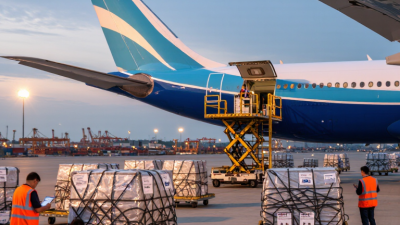
How to Ship Time Critical Air Cargo Worldwide?
Moving a shipment across continents is easy to describe, but difficult to execute under pressure. How to Ship Time Critical Air Cargo Worldwide? The answer begins with disciplined planning, accurate information, and experienced coordination.
Time Critical Air Cargo often supports medical devices, aircraft components, production materials, and essential business documents. A missed connection can stop a factory line or delay a clinical schedule. Therefore, shippers need more than a fast flight. They need route analysis, reliable packaging, secure handling, customs-ready documents, and continuous shipment visibility. Every detail matters. Even the handover time at a busy airport can change the outcome.
Glyn Hughes, former Director General of The International Air Cargo Association, has said, “Air cargo is the lifeblood of the global economy.” His observation reflects the responsibility behind urgent logistics. Professional providers assess airport capacity, weather risks, transfer points, and local delivery conditions before accepting a shipment. They also confirm that the cargo, paperwork, and handling instructions meet applicable international requirements.
Still, no global route is completely predictable. A perfect schedule can meet congestion, weather, or a documentation error. We should admit that. Strong operators prepare realistic alternatives instead of promising impossible certainty. This guide examines practical methods for shipping Time Critical Air Cargo worldwide, from first-mile collection to final delivery. It focuses on speed, safety, communication, and accountable decisions. Fast is valuable. Controlled speed is better.
Read more »
By:Amelia
- October 21, 2026

7 Best Air Freight Export Shipping Tips for Global Buyers
Global trade moves quickly, but air cargo leaves little room for careless preparation. Air Freight Export Shipping now connects manufacturers, retailers, and buyers across demanding international supply chains. IATA reported that global air cargo demand increased 11.3% in 2024, measured in cargo tonne-kilometres. Capacity grew more slowly, by 7.4%, creating pressure on space, rates, and booking schedules. These figures make practical export planning more important than ever.
“Air cargo demand reached record levels in 2024,” said Brendan Sullivan, IATA’s Global Head of Cargo, in the association’s 2024 air cargo market review. His statement reflects a market shaped by e-commerce, urgent replenishment, and shifting production locations. Boeing’s Commercial Market Outlook also forecasts about 4% annual air-cargo traffic growth through 2043. That sounds encouraging. It also means tighter capacity during peak seasons.
A strong shipping plan begins with accurate commercial invoices, clear cargo descriptions, verified dimensions, and realistic delivery promises. A single incorrect measurement can change the chargeable weight. A missed cutoff can delay an entire pallet. Temperature-sensitive products need more than a “handle with care” label; they require validated packaging and visible handling instructions. Exporters should also compare routing options, fuel surcharges, airport handling fees, and insurance terms before booking.
This guide presents seven practical Air Freight Export Shipping tips for global buyers. It focuses on decisions that work at warehouse level, not only on spreadsheets. Some recommendations may seem obvious. They are still often missed. Reliable shipping is rarely perfect; it is carefully checked, documented, and improved after every shipment.
Read more »
 By:Elowen
- October 16, 2026

How to Find Reliable Air Freight Import Services in 2026?
Finding dependable Air Freight Import Services in 2026 requires more than comparing the lowest quoted rate. Importers must examine each provider’s operational experience, shipment visibility, documentation process, and response time. A reliable service should explain routing choices clearly, from airport handling to final delivery. It should also provide accurate status updates when cargo reaches a busy hub.
Small details often reveal professional standards. Ask how the company checks commercial invoices, packing lists, and product descriptions before departure. Confirm whether trained staff review import requirements for the destination market. Request a sample tracking report. A practical provider should identify milestones such as cargo acceptance, flight departure, arrival, customs release, and delivery appointment.
Look for evidence, not polished promises. Customer references, industry certifications, transparent service terms, and measurable delivery performance can support credibility. Experienced forwarders should explain possible delays without hiding uncertainty. They should also discuss cargo insurance options, handling procedures, and escalation contacts before accepting the shipment.
No provider is flawless. That matters.
A missed update can create storage costs, production delays, or anxious phone calls. Therefore, ask how the company handles exceptions, damaged packaging, flight changes, and incomplete documents. A short trial shipment may reveal more than a long sales presentation. Compare actual communication, invoice accuracy, and delivery coordination.
The strongest Air Freight Import Services combine compliance awareness, practical experience, responsive communication, and dependable partners at both airports. This guide explores how to assess those qualities carefully, so your 2026 import decisions rely on verified performance rather than attractive claims.
Read more »
By:Evelyn
- October 11, 2026

What Is Less Than Container Load Freight?
When a shipment cannot fill an entire container, Less Than Container Load Freight offers a practical alternative. It allows several shippers to share one container and divide the transportation cost. This option suits smaller consignments, seasonal inventory, samples, and regular business orders.
In practice, the process involves more than placing cartons beside other cargo. Goods usually move from the supplier to a consolidation warehouse. There, workers check labels, measure dimensions, verify paperwork, and load the shared container. A shipment of twelve cartons may travel with machinery parts, furniture, or retail products. Careful packing matters because different cargo can shift during handling.
The main appeal is cost efficiency. However, the lowest quoted price may not represent the final expense. Origin handling, warehouse fees, documentation, customs clearance, and destination delivery can change the total. Transit times may also be longer because the container waits for additional cargo and requires separate unloading.
Small details matter.
Reliable planning begins with accurate measurements, realistic delivery expectations, and clear communication with the freight forwarder. The shipper should confirm whether the quotation includes door delivery, insurance, and destination charges. Product classification and shipping documents must also be complete and consistent. Mistakes can create delays, even when the cargo itself is ready.
This guide explains how Less Than Container Load Freight works, when it is suitable, and where its limitations appear. It also examines pricing, consolidation, packaging, tracking, and common operational risks. Some recommendations may seem obvious. Yet in busy supply chains, obvious steps are often missed.
Read more »
By:Amelia
- October 6, 2026

How to Calculate Full Container Load Shipping Costs
Full Container Load Shipping costs can look simple: one container, one origin, and one destination. In practice, the final invoice often contains several moving parts. Ocean freight is only the starting point. Origin trucking, terminal handling, documentation, customs services, insurance, fuel surcharges, and destination delivery can change the total significantly.
UNCTAD’s Review of Maritime Transport 2024 reported that global seaborne trade reached approximately 12.3 billion tonnes in 2023. This scale shows why port congestion, vessel capacity, and route disruption can quickly influence pricing. The Drewry World Container Index and the Freightos Baltic Index provide useful market references for container spot rates. However, these indexes are benchmarks, not guaranteed quotations for a specific shipment. A 40-foot container from Ningbo to Rotterdam may carry a different base rate than one from Ho Chi Minh City to Los Angeles, even during the same week.
A reliable calculation should separate fixed charges from variable charges. Record the container size, cargo weight, commodity type, shipment terms, port pair, sailing date, and expected transit time. Then compare the carrier’s quotation with local forwarder and terminal fees. Small omissions matter. A missed chassis fee or demurrage allowance can distort the budget.
The numbers may still be imperfect.
Real-world experience shows that quotations expire quickly, especially during peak seasons. Review every assumption. Use current carrier tariffs, written validity dates, and official accessorial schedules whenever possible. This guide explains how to build a clearer Full Container Load Shipping estimate, identify hidden charges, and test whether the quoted total reflects the shipment’s actual delivery requirements.
Read more »
By:Elowen
- October 1, 2026

How to Choose an International Ocean Freight Forwarder
Choosing an International Ocean Freight Forwarder can shape the reliability, cost, and visibility of your entire supply chain. A capable forwarder does more than book vessel space. They coordinate export documents, container pickup, port handling, customs communication, cargo tracking, and final delivery. The right partner should explain each stage in plain English, not hide behind complicated shipping terms.
Martin Stopford, a respected maritime economist, has described shipping as “a derived demand industry.” This observation matters because freight services depend on wider trade, production, and consumer demand. Rates, schedules, and available equipment can change quickly. A forwarder with practical experience should discuss these risks openly. Ask how they handled rolled bookings, port congestion, damaged packaging, or sudden schedule changes. Real examples are more useful than polished promises.
Check the company’s operating history, carrier relationships, financial stability, and service coverage. Confirm whether one named contact will manage your shipment. Review the quotation carefully. It should identify ocean freight, terminal charges, documentation fees, inland transport, and possible surcharges. Transparent details build trust.
Look for measurable performance.
Ask about on-time delivery results, tracking tools, claims procedures, and escalation contacts. Strong communication is essential when your container is waiting at a busy terminal. A forwarder should also understand your cargo type, packaging, delivery deadlines, and destination requirements. Experience with similar shipments reduces avoidable mistakes.
Still, no checklist is perfect. A famous brand may offer poor local support. A smaller forwarder may provide better attention but limited capacity. Compare evidence, not appearances. The best International Ocean Freight Forwarding partner combines operational knowledge, honest communication, documented performance, and a willingness to admit uncertainty. That is often where dependable service begins.
Read more »
By:Evelyn
- September 23, 2026

2026 Top Licensed Customs Clearance Providers for Buyers
Choosing among the 2026 Top Licensed Customs Clearance Providers for Buyers requires more than comparing prices. A reliable provider should understand import documentation, tariff classification, valuation, duty estimation, and border procedures. These details become real at a warehouse desk, where one missing invoice can delay a scheduled delivery.
Kunio Mikuriya, former Secretary General of the World Customs Organization, stated, “Customs is a key factor in facilitating international trade.” His observation explains why Licensed Customs Clearance is a strategic service, not merely an administrative task. Experienced providers communicate clearly with buyers, carriers, customs authorities, and warehouse teams. They also maintain secure records and explain potential costs before shipment arrival. That transparency supports better purchasing decisions.
This guide evaluates providers through practical buyer-focused criteria. These include licensing status, service coverage, response speed, technology, compliance expertise, and customer feedback. Strong companies should provide visible contact details, written service scopes, and realistic timelines. They should not promise guaranteed release in every situation. Border decisions can depend on accurate documents, inspections, changing regulations, and shipment-specific facts.
No ranking is perfect. That matters.
A provider that performs well for commercial imports may not suit small online sellers. Buyers should still verify credentials and confirm local requirements independently. My experience reviewing logistics workflows suggests that the best service feels almost uneventful. Documents arrive on time. Questions receive precise answers. Costs do not appear unexpectedly. Small weaknesses can still exist, especially during peak seasons. Careful comparison remains necessary. The following overview highlights reputable Licensed Customs Clearance providers and explains where each may fit different buyer needs.
Read more »
By:Amelia
- September 23, 2026

How to Choose US Customs Brokerage Services in 2026?
Choosing US Customs Brokerage Services in 2026 requires more than comparing fees. Importers need accuracy, visibility, and dependable regulatory guidance. U.S. Customs and Border Protection reported processing about 36.7 million import entries in fiscal year 2023. It also collected approximately $80.4 billion in duties. These figures show the scale of decisions behind every commercial shipment.
Global logistics remain equally demanding. UNCTAD’s Review of Maritime Transport 2024 states that maritime shipping carries over 80% of world trade by volume. Delays at a U.S. port can therefore affect inventory, production, and customer delivery dates. The World Bank’s Logistics Performance Index 2023 also highlights customs efficiency as a core part of supply-chain performance. A capable broker should understand tariff classification, customs valuation, country-of-origin rules, entry filing, and post-entry corrections. They should also work confidently within ACE and explain their process in plain English.
Look beyond a polished website. Ask for measurable service standards. Useful examples include entry accuracy, response times, examination support, document review, and escalation procedures. Confirm the broker’s customs authorization, relevant industry experience, technology integration, and data-security practices. Request references from importers with similar products and shipment volumes. Product details matter. A broker experienced with machinery may not understand food, textiles, chemicals, or medical equipment.
No checklist is perfect. I would not choose the cheapest provider automatically. Low fees can become expensive when classifications, bonds, or documentation are handled poorly. The strongest partnership combines transparent pricing, informed judgment, and consistent communication. In 2026, the right US Customs Brokerage Services provider should help reduce avoidable risk while keeping every import decision traceable and compliant.
Read more »
By:Evelyn
- September 23, 2026