Port Harbor Drayage
Rapid container pick-up from ocean terminals at Port of NY/NJ, Los Angeles, and Long Beach with automated appointment pre-booking.
- PierPass & eModal pre-cleared
- Demurrage free-time monitoring
- Direct door delivery & yard drop
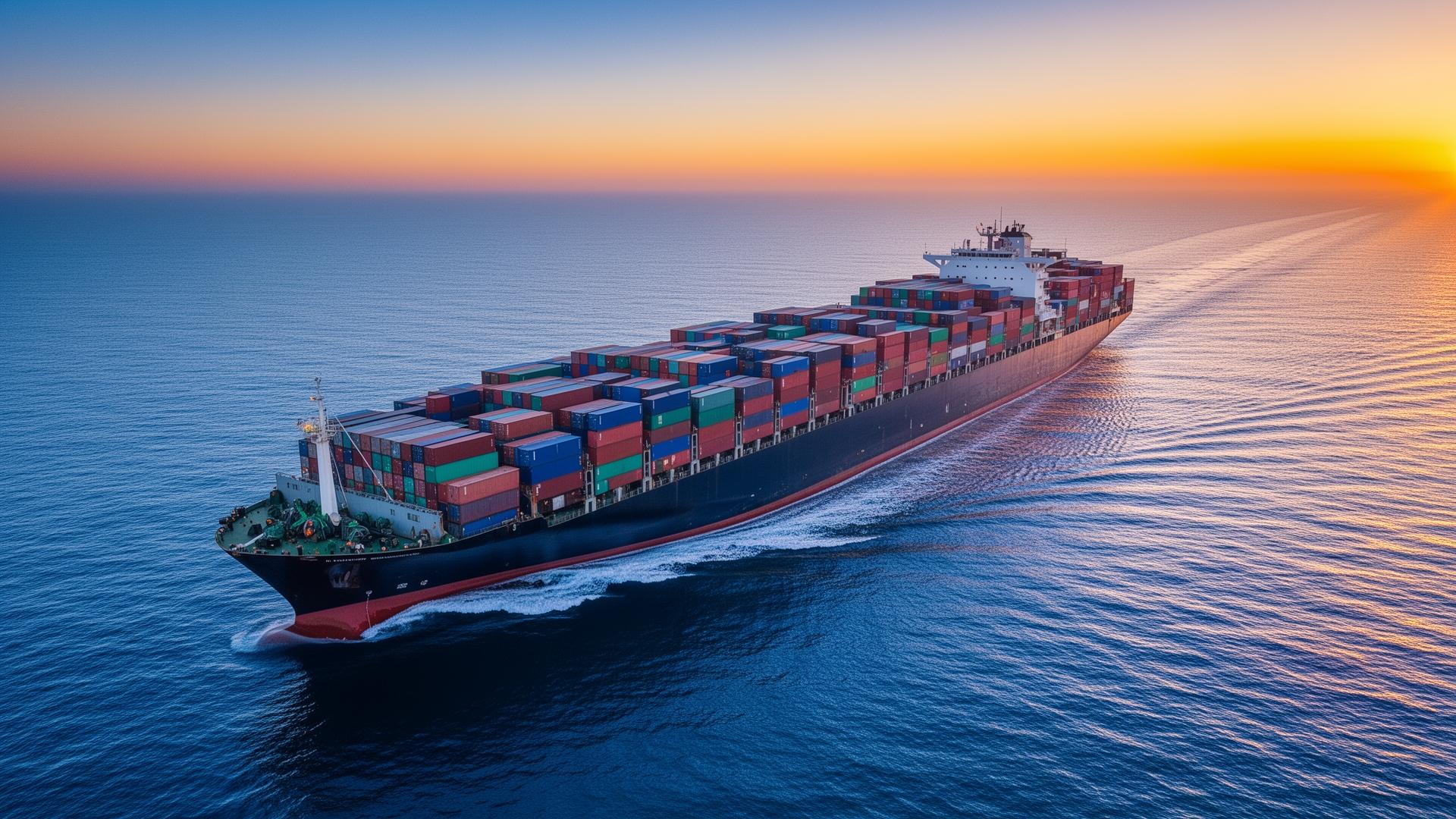
Eliminate port demurrage, optimize chassis leasing strategy, and execute flawless U.S. customs-cleared drayage transport across East and West Coast container gateways with Cordaro Shipping Co.
In global supply chain management, container drayage transport represents the specialized short-haul movement of ocean freight containers between marine terminals, inland rail ramps, bonded warehouses, and end-user distribution centers. Although drayage typically spans relatively short geographic distances—often under 150 miles—it accounts for a disproportionate share of potential delays, financial penalties, and supply chain friction for global procurement managers.
For international buyers sourcing raw materials, industrial equipment, or high-volume consumer goods, container drayage transport acts as the operational bridge connecting maritime ocean shipping with domestic ground transportation networks. A failure at this critical junction—such as an unassigned chassis, an unreleased U.S. Customs hold, or a missed terminal appointment—can trigger compounding charges that rapidly erode product profit margins.
To optimize drayage procurement, supply chain managers must distinguish between the five specialized modes of container drayage transport:
Global procurement teams often struggle to manage landed costs due to unpredicted ancillary charges assessed at port gateways. Mastering container drayage transport requires a precise operational understanding of how free time is calculated and how storage penalties accumulate.
Ocean carriers and terminal operators grant a limited window of "free time" (typically 3 to 5 calendar days for standard dry containers) upon vessel discharge. Failing to retrieve or return equipment within this period triggers severe daily penalization:
| Cost Category | Assessing Entity | Trigger Event | Impact on Importer | Cordaro Mitigation Strategy |
|---|---|---|---|---|
| Port Demurrage | Marine Terminal Operator | Container exceeds free days sitting on port dock after vessel discharge. | $150 – $600 / day penalty; container gate hold. | Pre-customs clearance (ISF 10+2 pre-filing) + automated eModal/PierPass dispatch booking. |
| Carrier Detention | Ocean Steamship Line | Container equipment retained at warehouse past empty-return allowance. | $100 – $350 / day per unit until returned to depot. | Live unloading monitoring, automated empty-turn scheduling, and street-turn pairing. |
| Chassis Split | Chassis Leasing Pool / Driver | Chassis depot and container terminal are geographically separated. | $75 – $200 per occurrence + added transit time. | Private fleet chassis access, tri-axle dedicated chassis reserves, and terminal pool telemetry. |
| Terminal Dwell Hold | U.S. Customs (CBP) / USDA | Intensive exam hold (VACIS, Tailgate, MET exam). | Demurrage accumulation + physical exam facility fees. | CTPAT-validated importer priority processing, pre-cleared bonded drayage transport. |
Selecting the appropriate container drayage transport service requires aligning cargo physical characteristics with specialized chassis configurations and legal highway compliance regulations. Below are recommended strategies for global buyers:
For standard general cargo, buyers should secure drayage providers with direct API integrations into major port Terminal Operating Systems (TOS). Pre-booking appointment slots minimum 48 hours prior to vessel discharge prevents container dwell time from exceeding free-time allowances.
Industrial machinery, raw minerals, metals, and dense liquids often push 20-foot ocean containers beyond standard highway weight restrictions. Under the U.S. Federal Bridge Gross Weight Formula, standard dual-axle chassis cannot legally transport heavy containers over federal highways.
Recommendation: Specify Tri-Axle Chassis Equipment for 20-foot containers exceeding 36,000 lbs cargo weight (or 40-foot containers exceeding 44,000 lbs cargo weight). Cordaro Shipping secures state-specific overweight permits and deploys heavy-duty power units equipped with tri-axle chassis fleets across NY, NJ, and CA freight corridors.
Perishable food products, pharmaceuticals, and sensitive chemical compounds require continuous temperature control during port drayage transport. Standard chassis do not provide electrical power to reefer units during transit.
Recommendation: Mandate underslung or clip-on diesel generator sets (Gensets) for all refrigerated container drayage moves exceeding 45 minutes of transit time or when terminal gate delays are anticipated.
When imported goods must move from the ocean port of entry to an inland point for customs examination, or to a Bonded Warehouse or Foreign Trade Zone (FTZ) without immediate duty payment, standard motor carriers cannot legally execute transport.
Recommendation: Utilize licensed Customs Bonded Drayage Carriers operating under U.S. Customs Form 7512 (Transportation in Bond and Manifest). Cordaro Shipping seamlessly pairs in-house U.S. Customs Brokerage with licensed bonded drayage to move IT (Immediate Transportation) and TE (Transportation and Exportation) shipments without tariff exposure.
From port gate-out to final warehouse door-drop, our drayage infrastructure is built for reliability, compliance, and landed-cost optimization.
Rapid container pick-up from ocean terminals at Port of NY/NJ, Los Angeles, and Long Beach with automated appointment pre-booking.
Seamless transfer between major Class I rail ramps and regional distribution facilities to extend inland reach efficiently.
Licensed bonded drayage transport moving uncleared containers under Form 7512 to bonded warehouses or FTZs across state lines.
Specialized chassis solutions for overweight 20ft and 40ft containers complying with Federal Bridge Formula regulations.
Genset-equipped container drayage transport maintaining exact climate thresholds for perishable and medical imports.
Innovative container pairing matching import empty returns directly with export loading to eliminate double chassis moves.
As global trade adapts to volatile ocean freight markets, emerging environmental mandates, and digital transformation, procurement leaders must adjust their drayage sourcing strategies. The next decade of container drayage transport will be defined by four pivotal procurement trends:
Major ocean gateways—including the Port of Los Angeles, Port of Long Beach, and the Port Authority of NY & NJ—are enforcing aggressive clean truck initiatives. Programs like the California Air Resources Board (CARB) Clean Truck Check and Zero-Emission Drayage Truck Requirements mandate a phased transition toward battery-electric (BEV) and hydrogen fuel cell drayage tractors by 2035.
Procurement Shift: Enterprise buyers must partner with drayage operators possessing compliant clean fleets to avoid port access bans, carbon surcharges, and ESG compliance failures.
Legacy drayage dispatching relied on manual telephone coordination and static terminal updates. Modern drayage procurement demands real-time OCR gate tracking, geofenced truck telemetry, and predictive algorithm integration with terminal operating systems (TOS).
Automated dispatching predicts terminal turn times, dynamically rerouting drivers around gate queues to ensure container pickup before free-time expiration.
Chassis shortages were a primary catalyst for supply chain bottlenecks during peak congestion eras. Procurement trends show a decisive shift away from public gray chassis pools toward private, dedicated chassis fleets equipped with radial tires, LED lighting, and GPS tracking.
Securing guaranteed chassis access via dedicated drayage partners prevents costly "chassis split" delays and equipment breakdown fees.
Looking ahead, the physical and digital execution of container drayage transport is evolving rapidly. Key long-term development trends include:
How Cordaro Shipping synchronizes customs pre-clearance with port gate-out execution to guarantee flawless delivery.
Pre-filing ISF 10+2 and transmitting Customs entries to U.S. CBP via ACE 48 hours before vessel berth arrival to ensure immediate electronic release.
Automated telemetry monitors container availability on terminal docks and instantly secures priority gate-out appointment slots in eModal or PierPass.
TWIC-credentialed drivers mount dedicated chassis, complete optical terminal gate-out, and execute safe, compliant highway transport.
Delivering container to customer warehouse, monitoring unloads live, and executing rapid empty returns or street-turn pairing to eliminate detention.
For over four decades, Cordaro Shipping Co., Inc. has delivered unrivaled expertise in container drayage transport and licensed U.S. Customs Brokerage. As a family-owned logistics provider, we offer direct executive accountability combined with enterprise-grade technology.
Direct ACE transmission eliminates dock holds
Fast-track green lane terminal clearance
Permitted overweight haulage across US roads
Expert answers to critical procurement and operational questions asked by global importers and supply chain leaders.
Demurrage is a financial penalty assessed by marine terminal operators when an ocean container sits on the port pier past allowed terminal free time (typically 3–5 days). Detention (also called Per Diem) is assessed by ocean steamship lines for retaining container and chassis equipment outside the port beyond agreed free-time limits. Cordaro Shipping prevents both through automated terminal telemetry and rapid gate-out execution.
CTPAT (Customs Trade Partnership Against Terrorism) certification signals to U.S. Customs and Border Protection (CBP) that your supply chain adheres to rigorous security standards. CTPAT partners receive lower risk scores in ACE algorithms, resulting in significantly fewer physical exams (VACIS/Tailgate), shorter terminal dwell times, and priority processing when exams do occur.
Bonded drayage transport requires an active U.S. Customs Bond (Type 2 Custodial Bond), an executed Customs Form 7512 (Transportation in Bond and Manifest), an authorized bonded motor carrier with valid TWIC (Transportation Worker Identification Credential) drivers, and compliant ISF filings. Cordaro Shipping manages the entire bonded chain in-house.
Chassis splits occur when a drayage driver must pick up a chassis from an off-dock yard before retrieving a container at a separate marine berth. Buyers can avoid these extra charges by utilizing drayage brokers like Cordaro Shipping who maintain dedicated chassis pools, deploy tri-axle equipment directly, and leverage automated terminal appointment systems.
The U.S. Federal Bridge Gross Weight Formula legally mandates tri-axle chassis for heavy 20-foot containers carrying cargo over 36,000 lbs (or 40-foot containers over 44,000 lbs). Tri-axle chassis add a third axle to distribute container weight over a larger highway area. Cordaro Shipping provides tri-axle chassis units along with state overweight permits for full highway compliance.
Because Cordaro Shipping operates as both a licensed U.S. Customs Broker and an international freight forwarder, entry filings are submitted to CBP days before vessel docking. The instant ACE returns an electronic release, our dispatch software locks in terminal pickup slots, eliminating communication lags between separate customs brokers and drayage trucking firms.
Port appointment platforms regulate terminal gate traffic by requiring mandatory driver arrival windows. Without predictive dispatch monitoring, missing an appointment slot causes container rollover, terminal demurrage fees, and driver wait surcharges. Cordaro Shipping utilizes API integration to continuously secure optimal appointment slots upon container discharge.
A Street Turn (or Container Reuse) transfers an empty ocean container directly from an import customer's warehouse to an export customer for outbound loading without returning the container to the port terminal. This process eliminates two drayage legs and terminal gate fees, cutting total container drayage transport spend by up to 40%.
Connect with a licensed U.S. Customs Broker and drayage dispatch specialist. Prevent terminal demurrage, secure specialized chassis, and streamline your port logistics across East and West Coast gateways.