Choosing an International Ocean Freight Forwarder can shape the reliability, cost, and visibility of your entire supply chain. A capable forwarder does more than book vessel space. They coordinate export documents, container pickup, port handling, customs communication, cargo tracking, and final delivery. The right partner should explain each stage in plain English, not hide behind complicated shipping terms.
Martin Stopford, a respected maritime economist, has described shipping as “a derived demand industry.” This observation matters because freight services depend on wider trade, production, and consumer demand. Rates, schedules, and available equipment can change quickly. A forwarder with practical experience should discuss these risks openly. Ask how they handled rolled bookings, port congestion, damaged packaging, or sudden schedule changes. Real examples are more useful than polished promises.
Check the company’s operating history, carrier relationships, financial stability, and service coverage. Confirm whether one named contact will manage your shipment. Review the quotation carefully. It should identify ocean freight, terminal charges, documentation fees, inland transport, and possible surcharges. Transparent details build trust.
Look for measurable performance.
Ask about on-time delivery results, tracking tools, claims procedures, and escalation contacts. Strong communication is essential when your container is waiting at a busy terminal. A forwarder should also understand your cargo type, packaging, delivery deadlines, and destination requirements. Experience with similar shipments reduces avoidable mistakes.
Still, no checklist is perfect. A famous brand may offer poor local support. A smaller forwarder may provide better attention but limited capacity. Compare evidence, not appearances. The best International Ocean Freight Forwarding partner combines operational knowledge, honest communication, documented performance, and a willingness to admit uncertainty. That is often where dependable service begins.
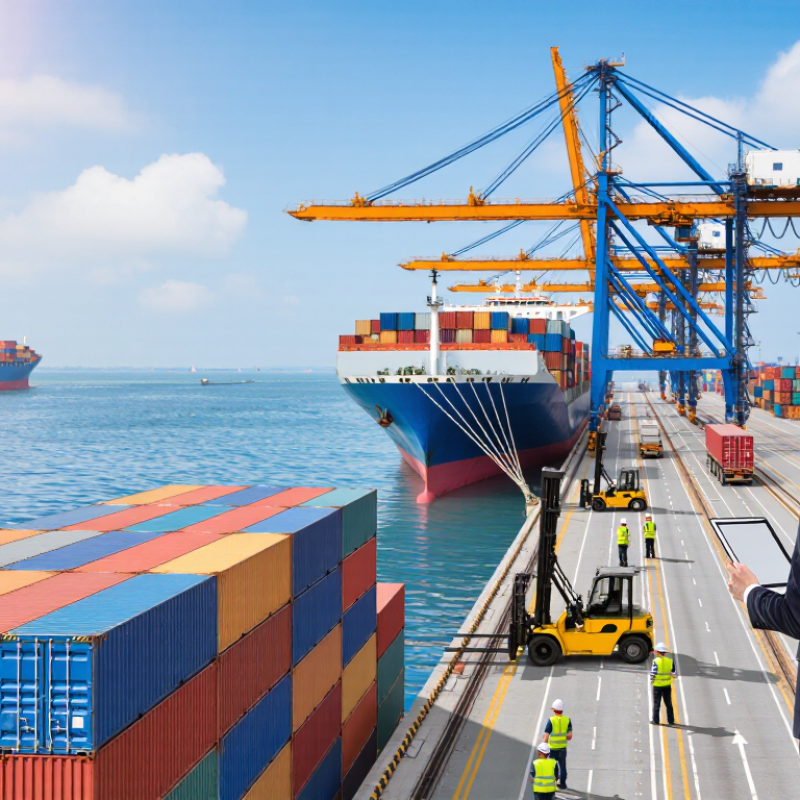
Define Freight Requirements Using UNCTAD’s 80% Sea-Trade Benchmark
How to Choose an International Ocean Freight Forwarder
UNCTAD reports that about 80% of global merchandise trade by volume moves by sea. This benchmark shows ocean freight’s central role in international logistics. It does not mean every shipment belongs on a vessel. Your decision should reflect cargo value, urgency, dimensions, and handling needs.
Define the shipment clearly before comparing forwarders. Record the product type, pallet count, weight, volume, origin, destination, and preferred delivery date. Ask for a full route, including transshipment ports and estimated sailing time. An experienced forwarder should explain cut-off times, documentation, port charges, storage risks, and cargo insurance. Watch the details. A low ocean rate may exclude terminal handling or destination fees. For temperature-sensitive cargo, request equipment specifications and monitoring procedures. For oversized cargo, confirm loading plans with practical diagrams or photos. Small omissions can become expensive delays.
Tips: Request two or three written quotations with identical shipment details. Check whether schedules are based on sailing dates or final delivery dates. Ask how delays are communicated and who handles damaged cartons. Confirm the forwarder’s compliance procedures and service records through verifiable references. Leave some schedule flexibility; port congestion can defeat a perfect plan. My own review point is simple: I once focused too heavily on freight price and underestimated inland delivery time. The cheaper option was not cheaper in practice.
FAQS
Record the product type, pallet count, weight, volume, origin, destination, and delivery date. Include temperature needs or oversized dimensions. Clear details produce more useful quotations.
No. Sea freight suits many large or less urgent shipments. Urgent, valuable, or highly sensitive cargo may need another method. Speed matters too.
Request the full route, sailing time, transshipment ports, cut-off times, and delivery assumptions. Check terminal handling, destination fees, storage, insurance, and inland delivery. A low rate can hide extra charges.
Ask about weekly space, equipment access, partner capacity, and transshipment points. Review six recent sailings on your route. Look for blank sailings, rolled containers, and changing hubs. “Every port” proves little.
No. A large network can still face equipment shortages or congested ports. Test the service with a modest shipment first. Compare answers from sales and operations. They should match.
Check whether dates mean vessel departure or final delivery. Ask how delays are reported and who manages damaged cartons. Leave schedule flexibility for port congestion. Perfect plans can slip.
Request equipment specifications, monitoring procedures, and loading plans. For oversized cargo, ask for diagrams or photos. A small omission may cause a costly delay.
Ask how the forwarder verifies marine-fuel sulfur limits on every vessel. The general limit is 0.50%, while designated control areas may require 0.10%. Request fuel records, vessel statements, or scrubber documents when relevant. Check the entire route.
Do not focus only on the ocean freight price. Inland delivery time, storage, handling, and delays can change the real cost. I once underestimated inland timing. The cheaper option was not cheaper.
Conclusion
Choosing the right International Ocean Freight Forwarding partner starts with a clear understanding of your shipment profile, including cargo type, volume, routes, timing, and service requirements. Since most global trade moves by sea, use ocean transport as a practical benchmark when planning capacity and selecting suitable solutions. Confirm that the forwarder has access to sufficient vessel space, containers, port services, and inland connections to support your expected volumes, even during peak seasons.
A reliable comparison should include transparent freight rates, fuel-related adjustments, terminal handling charges, and other port costs. Request a complete quotation so that hidden fees do not affect your budget. Compliance is equally important: verify that the forwarder follows current environmental requirements, including the 0.50% marine-sulfur limit. Finally, assess performance through sailing schedules, on-time delivery records, claims procedures, communication quality, and documented service data. A forwarder that combines network strength, cost transparency, regulatory awareness, and consistent execution can provide greater reliability across international supply chains.