When a shipment cannot fill an entire container, Less Than Container Load Freight offers a practical alternative. It allows several shippers to share one container and divide the transportation cost. This option suits smaller consignments, seasonal inventory, samples, and regular business orders.
In practice, the process involves more than placing cartons beside other cargo. Goods usually move from the supplier to a consolidation warehouse. There, workers check labels, measure dimensions, verify paperwork, and load the shared container. A shipment of twelve cartons may travel with machinery parts, furniture, or retail products. Careful packing matters because different cargo can shift during handling.
The main appeal is cost efficiency. However, the lowest quoted price may not represent the final expense. Origin handling, warehouse fees, documentation, customs clearance, and destination delivery can change the total. Transit times may also be longer because the container waits for additional cargo and requires separate unloading.
Small details matter.
Reliable planning begins with accurate measurements, realistic delivery expectations, and clear communication with the freight forwarder. The shipper should confirm whether the quotation includes door delivery, insurance, and destination charges. Product classification and shipping documents must also be complete and consistent. Mistakes can create delays, even when the cargo itself is ready.
This guide explains how Less Than Container Load Freight works, when it is suitable, and where its limitations appear. It also examines pricing, consolidation, packaging, tracking, and common operational risks. Some recommendations may seem obvious. Yet in busy supply chains, obvious steps are often missed.
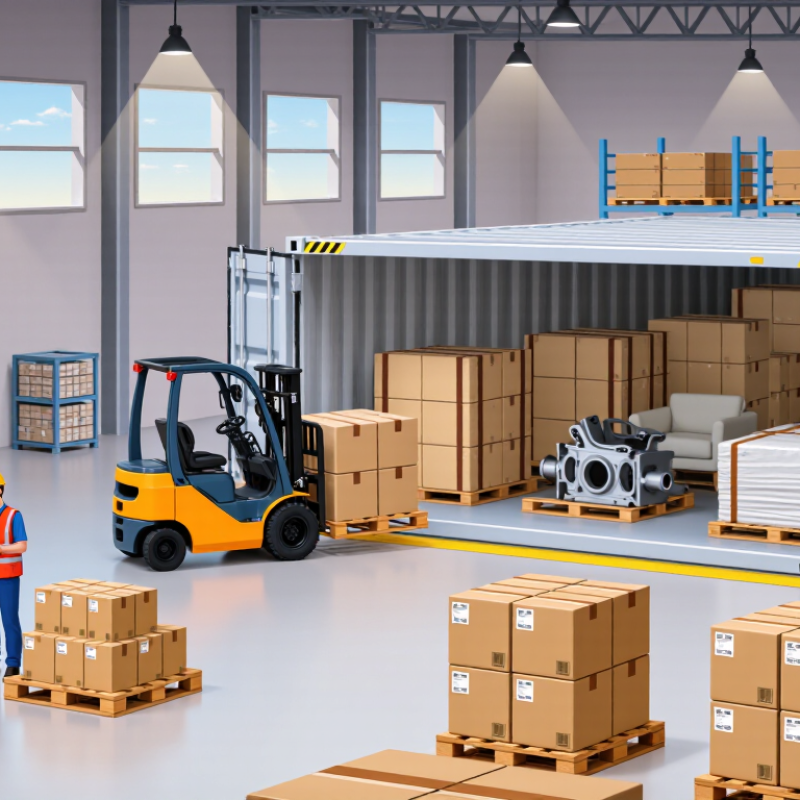
Definition of Less Than Container Load Freight
Less Than Container Load Freight, or LCL freight, is a shipping method for cargo that does not fill an entire container. Instead of booking a whole container, a shipper pays for the space their goods occupy. Several shipments share one container, usually through a consolidation facility called a container freight station. Cargo may be measured by cubic volume, weight, or whichever factor produces the higher charge.
LCL freight suits smaller shipments, such as eight cartons of machine parts or several pallets of packaged goods. At origin, workers inspect, label, measure, and combine the cargo with other shipments. At destination, the container is opened, and each shipment is separated before collection or local delivery. This extra handling can increase the risk of delays or minor packaging damage. Strong cartons, internal padding, and clear labels matter.
The price is not only the ocean transport charge. It can include pickup, terminal handling, documentation, customs processing, storage, and final delivery. Transit time may also be longer than full-container shipping because consolidation schedules are not always daily. LCL is often economical for small cargo, but not automatically the cheapest option. A shipment with unusual dimensions, urgent timing, or frequent handling may need a different solution. Estimates can change when the measured volume differs from the declared figures. That detail is easy to overlook.
| Dimension | Definition and Typical Characteristics | Practical Considerations |
|---|---|---|
| Basic Definition | Less Than Container Load (LCL) freight is a shipping method in which cargo from multiple shippers is consolidated into one ocean container. | Each shipper pays for the space or cargo volume used rather than reserving the entire container. |
| Container Ownership | The container is shared by several shipments that may have different shippers, consignees, origins, or destinations. | Cargo must be compatible with other consolidated freight and suitable for handling at consolidation facilities. |
| Typical Shipment Size | LCL is generally used for shipments that do not require the full capacity of a standard container. A commonly used planning guideline is below approximately 15 cubic meters, although the suitable threshold varies by route and cargo. | The final choice should be based on chargeable volume, weight, cargo characteristics, transit time, and the total landed cost. |
| Measurement Basis | LCL charges are commonly calculated using the higher of the shipment’s volume in cubic meters or its weight in metric tons, often expressed as weight or measurement (W/M). | For example, a shipment measuring 4 cubic meters and weighing 2 metric tons is commonly rated on 4 W/M, subject to the applicable tariff. |
| Consolidation Process | Cargo is collected, checked, documented, and consolidated at an origin cargo facility before being loaded into the ocean container. | Additional handling can create cut-off dates and consolidation schedules that are different from those for full-container shipments. |
| Deconsolidation Process | At the destination, the container is moved to a deconsolidation facility where individual shipments are separated before final delivery. | Destination handling, warehouse processing, and local delivery arrangements can affect the final cost and delivery date. |
| Transit Time | LCL transit is often longer than direct full-container shipping because cargo may require consolidation, deconsolidation, and additional cargo handling. | Allow extra time for warehouse processing and transshipment when planning inventory or production schedules. |
| Cost Structure | The freight rate is usually based on chargeable volume or weight, with possible charges for origin handling, documentation, customs processing, destination handling, and delivery. | A low ocean freight rate does not always represent the total cost; request a door-to-door or fully itemized quotation for comparison. |
| Packaging Requirements | Because LCL cargo is handled more frequently than sealed full-container cargo, shipments generally require strong export packaging, protection against movement, and clear shipping marks. | Pallets, crates, cartons, and moisture protection can reduce the risk of crushing, abrasion, shifting, or contamination. |
| Cargo Compatibility | General, non-hazardous cargo is commonly suitable for LCL when it can be safely consolidated with other freight. | Hazardous, temperature-sensitive, oversized, fragile, or odor-producing goods may require special approval, equipment, or a dedicated container. |
| Documentation | Typical documents may include a commercial invoice, packing list, transport document, customs information, and any permits required for the commodity or destination. | Accurate package counts, dimensions, weights, commodity descriptions, and customs codes help prevent delays and rework. |
| Customs Clearance | LCL shipments generally require customs clearance for each individual shipment, even though multiple shipments share the same physical container. | Import duties, taxes, inspections, and customs requirements are determined by the destination country and the specific goods. |
| Best Use Case | LCL is useful for relatively small, non-urgent international shipments that are too large or complex for parcel services but do not justify a full container. | It can help reduce unused container space and support smaller or less frequent purchasing cycles. |
| Main Advantages | The principal advantages are lower space commitment, access to ocean transport for smaller shipments, and the ability to ship without waiting to fill an entire container. | LCL can improve shipping flexibility, especially when cargo volume is inconsistent or demand is difficult to forecast. |
| Main Limitations | The main limitations are additional handling, potentially longer transit times, more complex cost structures, and greater exposure to handling-related damage than sealed dedicated-container cargo. | Compare the complete LCL cost and delivery schedule with full-container, air, rail, or parcel alternatives before booking. |
| LCL Compared with FCL | LCL shares container space with other shipments, while Full Container Load (FCL) reserves the container for one shipper’s cargo, even if the container is not completely filled. | LCL is generally more flexible for smaller volumes; FCL may offer simpler handling, better cargo control, and improved unit economics at higher volumes. |
| Key Booking Data | A booking normally requires the origin and destination, package type and quantity, dimensions, gross weight, cargo description, ready date, and any special handling information. | Providing complete and accurate data early improves rate accuracy, space planning, documentation, and shipment visibility. |
Note: Rates, volume thresholds, transit times, surcharges, and documentation requirements vary by trade lane, cargo type, service terms, and current operating conditions.
FAQS
LCL means Less than Container Load. Several shippers share one container. It suits smaller shipments that cannot fill the available space.
Charges usually depend on volume or weight. The higher billable measurement normally applies. Handling, documentation, warehouse, and delivery fees may add substantially.
FCL means Full Container Load. One shipper normally uses the entire container. The cargo is loaded, sealed, and delivered with fewer consolidation steps.
LCL may suit a few cartons or one small pallet. It avoids paying for unused container space. The final cost still needs careful checking.
FCL may work better when cargo approaches container capacity. It can reduce handling and improve scheduling control. An almost full container may also lower damage risks.
LCL cargo is collected, measured, consolidated, unloaded, and separated. Each stage can create delay. A small pallet may wait longer at a terminal than at sea.
Use strong cartons, corner protection, and clear shipping marks. Keep heavier items low on the pallet. Small details matter.
Request itemized ocean, handling, warehouse, documentation, and delivery charges. Confirm the measured volume and warehouse cut-off time. A low ocean rate can hide expensive local fees.
Provide accurate dimensions and a detailed packing list. Leave buffer days for congestion or consolidation delays. I once underestimated a three-day delay. That planning mistake was avoidable.
Conclusion
Less Than Container Load Freight (LCL) is a shipping method for cargo that does not fill an entire container. Instead, shipments from multiple customers are consolidated into one container, allowing each shipper to pay only for the space their goods occupy. The process usually includes cargo preparation, booking, delivery to a consolidation warehouse, documentation, container loading, ocean transportation, customs procedures, deconsolidation, and final delivery.
Compared with Full Container Load shipping, LCL is often more flexible and economical for smaller volumes, while FCL generally offers faster handling, greater privacy, and fewer cargo transfers. LCL costs depend on cargo volume, weight, origin and destination, handling charges, documentation, customs services, and delivery distance. Transit times may be longer because of consolidation, warehouse processing, and additional handling. Its main advantages are lower entry costs, flexible shipment sizes, and improved inventory management. However, it can involve more complex coordination, longer delivery times, and a higher risk of handling-related delays or damage.
