0%

A container can clear the vessel and still lose hours outside the terminal. A missed appointment, a late chassis, or an incomplete pickup reference can leave a truck waiting beside a crowded gate. For global importers, Port Drayage Logistics is the short but critical link between ocean terminals, warehouses, rail yards, and distribution centers. Small gaps matter.

Transportation geographer Dr. Jean-Paul Rodrigue’s research examines how ports connect with inland transport networks. In paraphrase, a useful takeaway from his work is: “Port performance depends on the connections beyond the gate.” That is not a verbatim quotation, but it captures a practical point: a fast vessel arrival cannot make up for an unready truck, unclear delivery window, or warehouse without receiving capacity.

This guide presents ten practical ways to improve drayage planning, control avoidable costs, and reduce preventable delays. It covers appointment coordination, chassis planning, document accuracy, carrier communication, visibility, and contingency planning. Importers can start with the shipment details they already track: container number, terminal status, free-time deadlines, delivery address, and receiving hours. Then compare those details with the dray carrier’s plan. There will still be exceptions. A terminal may change availability, or a truck may arrive after a queue builds. Plans are not guarantees. Reviewing each handoff, and recording where the process breaks down, gives teams better evidence for the next shipment.
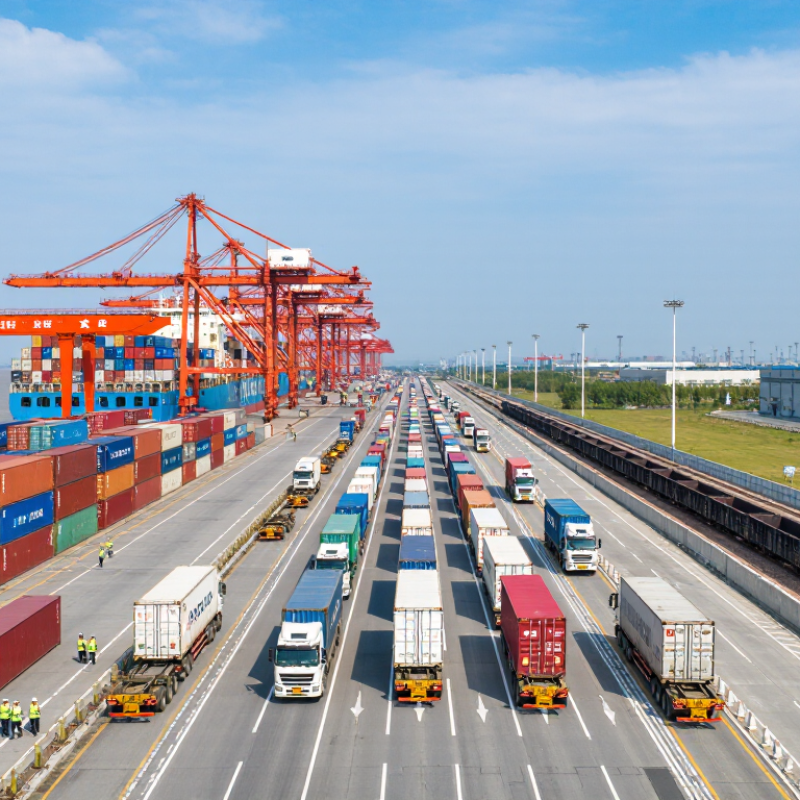
10 Port Drayage Logistics Tips for Global Importers

Understanding Port Drayage and Its Role in Global Importing

10 Port Drayage Logistics Tips for Global Importers

Understanding Port Drayage and Its Role in Global Importing

Port drayage is the short-haul movement of containers between seaports, rail terminals, warehouses, and nearby distribution centers. It connects ocean shipping with the inland leg of an import journey. A container leaving a terminal gate may travel only a few miles, yet timing, chassis availability, and appointment slots all affect its onward movement.

Small moves matter. UNCTAD’s Review of Maritime Transport 2024 reports that maritime trade reached 12.3 billion tonnes in 2023, growing 2.4 percent. That scale makes reliable port-to-inland transfers essential to keeping goods moving.

The World Bank’s 2023 Container Port Performance Index covered 405 ports and measured container-ship time in port. Delays at the quay can tighten the window for truck pickup, while missed appointments may leave containers waiting longer. Importers can reduce avoidable friction by sharing accurate arrival details, confirming terminal availability, and aligning pickup plans with warehouse receiving hours.

A dispatch plan is not a promise; congestion, weather, or a late vessel can change it. And plans still slip. Track milestones such as vessel arrival, discharge, gate-out, and warehouse check-in, then update partners when timings change.

A few minutes spent checking cutoffs can prevent a truck arriving before its container is ready.

Preparing Documents, Cargo Details, and Delivery Requirements

Before a container leaves the terminal, check that the bill of lading, commercial invoice, and packing list agree. Match the consignee name, container number, seal number, package count, and declared weight across documents. A small mismatch can delay release or require corrected paperwork. Small errors travel. Keep digital copies available, but confirm which documents the broker, carrier, and terminal need in their preferred format.

Give the drayage provider practical cargo details, not just a container number. Share the container size and type, gross weight, pallet count, cargo dimensions, and any handling or temperature requirements. Mention unusual loading patterns, such as a heavy item positioned near the doors. It may seem obvious to the shipper, but not to the driver arranging equipment. Verify weight figures against current shipping records rather than relying on an old booking note.

Delivery instructions should be specific enough for a driver who has never visited the site. Provide the full address, receiving hours, appointment process, contact number, gate instructions, and available unloading equipment. Confirm that the site can accommodate the truck and container, and ask about restrictions on arrival times or chassis use. Even careful teams miss a detail occasionally. A written checklist helps, though it cannot replace a quick confirmation with the receiving team before dispatch.

Choosing Drayage Partners and Booking Capacity in Advance

Drayage capacity is easiest to secure before a vessel arrives, not when a terminal appointment is already scarce. Ask prospective partners about daily truck capacity, service areas, chassis access, weekend coverage, and experience at your destination terminal. Confirm who monitors vessel changes and who handles missed appointments. Small gaps matter. The 2024 State of Logistics Report from the Council of Supply Chain Management Professionals estimated U.S. business logistics costs at $2.3 trillion in 2023, or 8.7% of GDP. That scale makes reliable handoffs more than a paperwork detail.

Share shipment forecasts early, then reserve capacity against realistic arrival windows. Include container counts, equipment types, delivery locations, and likely pickup dates. Reconfirm bookings when the vessel schedule changes, and keep a backup carrier option for peak weeks. The Port of Los Angeles handled about 10.3 million TEUs in 2024, its busiest year on record, according to its annual cargo figures. High volumes can tighten local capacity, even when a shipment’s original plan looks comfortable. Check appointment procedures, chassis arrangements, and escalation contacts before dispatch. No forecast is perfect. I’ve seen plans fail because a small schedule change never reached the truck dispatcher; build in a quick confirmation step, and review where your assumptions were wrong.

Coordinating Port Pickup, Inland Transport, and Container Returns

Port drayage works best when pickup, inland transport, and container return are planned as one chain. A booked truck is not enough. Confirm cargo release, the terminal appointment, chassis availability, and any holds before dispatch. A quick status check can prevent a truck waiting at the gate for hours. Keep the container number, seal details, and delivery address consistent across instructions.

Give the driver a realistic route plan that accounts for port queues, road restrictions, and receiver hours. Share a contact who can make decisions if unloading runs late. At delivery, record arrival and departure times, plus any exceptions. Photos can help document visible damage or delays. Small details matter. A warehouse that needs two hours to unload can cause a missed return slot. Add buffer time, then compare it with actual dwell times; guessed buffers can hide recurring problems.

Container returns deserve equal attention. Verify the designated empty-return location and its receiving hours before the truck leaves the consignee. Those details can change. Track free-time deadlines and confirm the return receipt, not just the driver’s message. If a return is rejected, record the reason, time, and next instruction promptly. Plans still break. Reviewing failed moves each week can show whether delays stem from appointment timing, slow unloading, or unclear handoffs.

Managing Costs, Compliance, Delays, and Shipment Visibility

Port drayage often covers only a few miles, yet small planning gaps can add hours and fees. Before booking, compare the quote with likely chassis, waiting, fuel, and terminal-related charges. Ask what triggers extra time and how free-time limits are calculated. Details matter. A container arriving after a receiving window may sit overnight, even if the truck reached the port on schedule. Keep delivery appointments and terminal availability in the same planning view.

Compliance depends on accurate shipment details and current operating requirements. Confirm that container numbers, pickup references, release status, and delivery instructions match across documents. Check terminal procedures before dispatch; appointment rules and equipment requirements can change. Retain dated confirmations and notes about exceptions. They help resolve billing disputes and explain delays to customers. Plans still miss sometimes.

For better visibility, assign one person to monitor milestones: vessel discharge, availability, gate-out, and proof of delivery. Share timestamped updates when a container is held, a driver is waiting, or an appointment changes. A simple alert is useful. It should name the shipment, current location, next action, and expected update time. Avoid promising a precise arrival until the terminal releases the container and the carrier confirms a workable slot. Even a well-managed move can face congestion, so leave realistic buffer time and document why it was used.

10 Port Drayage Logistics Tips for Global Importers - Managing Costs, Compliance, Delays, and Shipment Visibility

# Focus Area Practical Tip What to Do Track or Verify
1 Cost control Compare the full drayage cost, not just the base rate. Request a clear breakdown of fuel, chassis, waiting time, tolls, and other applicable accessorial charges. Confirm how each charge is triggered. Quoted cost versus final invoice; accessorial charges by type.
2 Free time and storage Plan around the actual free-time terms for each shipment. Check carrier, terminal, and service-provider terms for applicable free time, last free day, demurrage, and detention. Rules and charges vary by location and shipment. Last free day; pickup and empty-return deadlines; avoidable charge reasons.
3 Customs compliance Confirm cargo release before dispatching a truck. Coordinate with the customs broker and relevant authorities to verify release status and resolve document holds before arranging pickup. Customs release status; outstanding holds; time from release to pickup.
4 Terminal readiness Check that the container is available and eligible for pickup. Verify availability, holds, appointment requirements, and any terminal-specific pickup conditions before sending the driver. Availability confirmation; appointment status; failed pickup attempts.
5 Appointment planning Match pickup appointments to realistic operating windows. Allow for terminal hours, appointment availability, driver hours, traffic, and receiving-site capacity. Reconfirm appointments when schedules change. Appointment confirmation; on-time pickup rate; rescheduling reasons.
6 Equipment and cargo details Share accurate container and handling information in advance. Provide container size and type, weight, cargo handling needs, seal details, and any special instructions needed to select suitable equipment and plan delivery. Data completeness; equipment mismatches; rejected or delayed moves.
7 Chassis planning Confirm chassis availability, compatibility, and responsibility. Establish who supplies the chassis and check equipment requirements and local operating arrangements before dispatch. Chassis-related delays; extra rental or split-move charges; equipment availability.
8 Delivery coordination Align port pickup with warehouse readiness. Confirm receiving hours, unloading capacity, delivery appointments, site access, and empty-container return instructions before the container leaves the terminal. Receiving appointment status; driver wait time; empty-return completion.
9 Shipment visibility Use milestone updates that support timely decisions. Track key events such as customs release, terminal availability, pickup, gate-out, delivery, and empty return. Assign an owner to investigate missed updates. Milestone timestamp completeness; update latency; exceptions awaiting action.
10 Contingency planning Prepare a response for disruptions and schedule changes. Agree on escalation contacts and procedures for congestion, appointment shortages, holds, severe weather, or terminal closures. Reassess the plan as local conditions change. Exception response time; recovery actions; revised delivery commitments.

FAQS

What is port drayage?

Port drayage moves containers short distances between seaports, rail terminals, warehouses, and nearby distribution centers. It connects ocean shipping with inland transport. Small moves matter.

Why can a short port pickup still cause delays?

Terminal congestion, chassis availability, and appointment slots can affect pickup timing. A truck may arrive before its container is ready. Check the terminal status first.

What should importers confirm before dispatching a truck?

Confirm cargo release, terminal appointment, chassis availability, and any holds. Keep the container number, seal details, and delivery address consistent across instructions.

Which shipment milestones are useful to track?

Track vessel arrival, container discharge, gate-out, and warehouse check-in. Update partners when timing changes. A plan is not a promise.

How can importers prepare for warehouse delivery?

Share receiving hours and a realistic route that accounts for queues and road restrictions. Name a contact who can make decisions if unloading runs late.

What details should be recorded at delivery?

Record arrival and departure times, along with any exceptions. Photos can document visible damage or delays. Small details matter.

How can importers prevent problems with empty-container returns?

Confirm the designated return location and its receiving hours before the truck leaves. Track free-time deadlines and obtain a return receipt, not just a driver’s message.

What should teams do after a return is rejected?

Record the reason, time, and next instruction promptly. Review failed moves each week to spot patterns. Still, a buffer can be wrong.

Conclusion

Port Drayage Logistics connects ocean shipping with the inland journey, moving containers between ports, terminals, warehouses, and other delivery locations. For global importers, smooth drayage begins before a vessel arrives. Prepare accurate shipping documents, cargo information, delivery instructions, and equipment requirements so the transportation team can plan efficiently and avoid preventable hold-ups.

Choose a reliable drayage partner, confirm available capacity early, and coordinate port pickup with inland transportation and timely container returns. Keep track of applicable costs, customs and terminal requirements, appointment schedules, and potential delays. Clear communication and shipment visibility help teams respond quickly when plans change, control expenses, and maintain a dependable flow of goods from port to final destination.

Amelia

Amelia

Amelia is a dedicated marketing professional with a strong understanding of the company’s products, services, and market position. Through her extensive product knowledge and practical experience, she transforms complex information into clear, useful, and engaging content for customers, partners,......