Global buyers often judge a shipment by its arrival date. Yet between a rail terminal and a warehouse, that date depends on trucks, appointments, chassis, and clear handoffs. Rail Terminal Drayage connects inland rail hubs and ports with distribution centers, factories, and nearby storage. The move may be short. The coordination is not.
UNCTAD’s Review of Maritime Transport 2024 reports that seaborne trade volume grew by 2.4% in 2023. That scale puts pressure on the connections between ocean freight, rail networks, and final destinations. The World Bank’s Logistics Performance Index 2023 evaluates factors such as infrastructure, shipment tracking, and timely delivery. It does not rank drayage providers directly, but its criteria point to what buyers should examine: dependable communication, visible milestones, and realistic transit plans. Small delays compound.
This guide explores how global buyers can compare rail terminal drayage services, assess coverage, and ask better questions about pricing, equipment, and appointment handling. A quoted rate alone rarely tells the whole story. A missed pickup window or an unavailable chassis can change the delivery plan. Even a carefully planned move can go off track; that deserves honest consideration. Service standards and local conditions vary, so confirm operational details with the provider before booking.
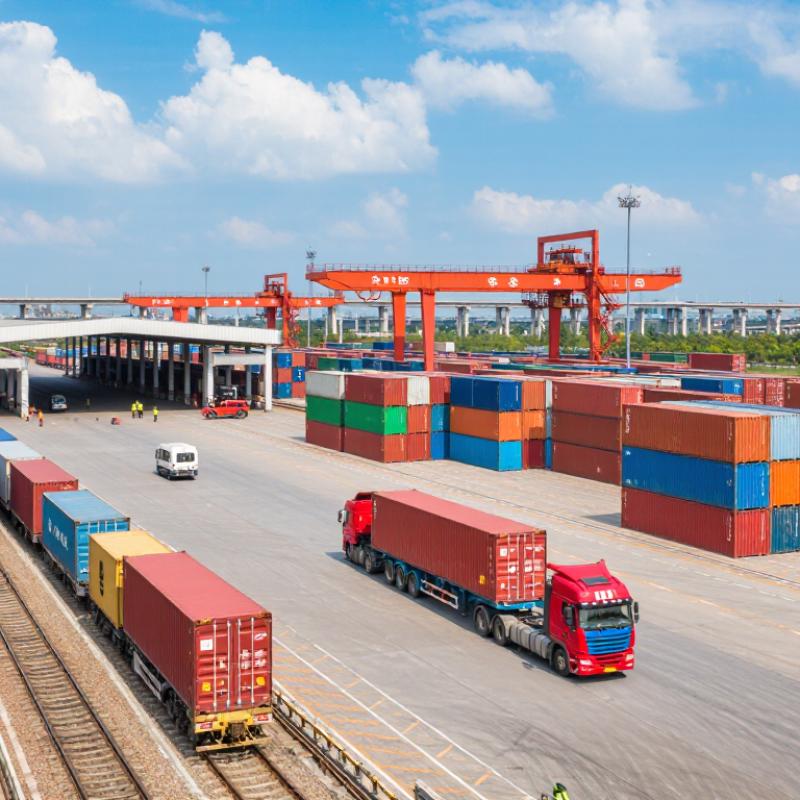
Understanding Rail Terminal Drayage Services
Top Rail Terminal Drayage Services for Global Buyers
Understanding Rail Terminal Drayage Services
Rail terminal drayage moves containers between a rail yard and nearby warehouses, distribution centers, or ports. It connects long-distance rail transport with the next stage of delivery. A drayage provider typically coordinates truck capacity, terminal appointments, container availability, and equipment such as chassis. Timing matters: a container may be ready, but a missed appointment or unavailable chassis can delay pickup. Small details count.
Tips: Share the container number, estimated availability, delivery address, and receiving hours early. Confirm appointment rules and equipment needs before dispatch. Keep a contact available for changes.
For global buyers, clear handoffs help reduce avoidable waiting and storage costs. Ask how the provider tracks rail availability, reports exceptions, and handles delivery updates. Check whether quoted rates include fuel, terminal charges, waiting time, and other possible accessorial fees. Confirming these details in writing makes comparisons more useful. Transit estimates are not guarantees; rail schedules, congestion, and weather can shift plans. Even a careful plan can miss something, so leave room for adjustment and review delays after delivery.
Top Rail Terminal Drayage Services for Global Buyers - Understanding Rail Terminal Drayage Services
| Service Type | Typical Movement | Best Suited For | Key Planning Considerations | Common Cost and Timing Factors |
|---|---|---|---|---|
| Rail Ramp Drayage | Container moved by truck between a rail terminal and a nearby warehouse, distribution center, or consignee. | Importers and exporters using intermodal rail for inland transportation. | Confirm terminal availability, appointment requirements, container size, delivery address, and receiving hours. | Distance, chassis availability, terminal congestion, appointment windows, and waiting time. |
| Port-to-Rail Terminal Drayage | Container transported by truck between a seaport and an inland or nearby rail terminal. | Shipments continuing inland by rail after arriving at a seaport. | Coordinate vessel availability, port release, rail cutoff, customs clearance, and terminal receiving rules. | Port and terminal distance, release timing, cutoff schedules, congestion, and storage or per-diem exposure. |
| Door-to-Door Intermodal Drayage | Truck pickup or delivery at one or both ends, with the long-haul portion moving by rail. | Buyers seeking a coordinated rail-and-truck move between origin and destination. | Check origin and destination access, equipment compatibility, cargo dimensions, and delivery appointment needs. | Dray distance at each end, rail route and schedule, fuel, equipment supply, and service availability. |
| Transload and Drayage | Cargo is drayed from a rail terminal to a facility, transferred to another vehicle or equipment type, and delivered onward. | Cargo that needs container unloading, consolidation, distribution, or transfer to domestic equipment. | Verify facility capacity, handling requirements, cargo dimensions, palletization, and any special equipment needs. | Handling labor, storage duration, cargo characteristics, transfer equipment, and additional truck legs. |
| Expedited or Time-Critical Drayage | A prioritized truck move arranged around a tight terminal pickup or delivery window. | Urgent freight, production inputs, or shipments with time-sensitive delivery requirements. | Confirm that the container is released, appointments can be secured, and the receiving site can accept the delivery. | Short-notice capacity, after-hours requirements, route distance, terminal operating hours, and waiting time. |
| Empty Container Return or Repositioning | Empty equipment moved to an authorized return location or repositioned as instructed after unloading. | Importers managing empty-container returns and exporters arranging equipment for loading. | Obtain current return instructions and verify the accepted location, appointment rules, and equipment condition requirements. | Return location, repositioning distance, appointment availability, and applicable equipment or delay charges. |
Planning note: Service scope, terminal procedures, rates, and transit times vary by location, carrier, equipment, and current capacity. Confirm operating instructions and shipment-specific charges before dispatch.
FAQS
It moves containers between a rail yard and nearby warehouses, distribution centers, or ports. It connects rail transport with the next delivery stage.
Provide the container number, estimated availability, delivery address, and receiving hours. Confirm appointment rules and chassis needs early. Small details count.
Ask for a written breakdown of fuel, chassis use, waiting time, terminal storage, and missed appointment fees. Compare quotes using the same container size and delivery window.
Confirm container availability, terminal appointments, and equipment before dispatch. Keep a contact available if plans change. Still, plans miss things.
Make sure product descriptions, quantities, and consignee details match across documents. Requirements vary, so ask a qualified customs professional to check filings and deadlines.
Look for rail arrival, pickup availability, gate-out, and delivery confirmation. A timestamp helps. Ask who reports exceptions and contacts the terminal.
No. Schedules, congestion, and weather can change delivery plans. Leave room in receiving plans for delays. Estimates can shift.
Confirm urgent changes directly with the operations team. Use available updates to adjust labor and receiving plans, then review what caused any delay. A rough estimate may still need checking.
Conclusion
Rail Terminal Drayage connects rail terminals with nearby warehouses, distribution centers, ports, and other inland destinations. By coordinating the movement of containers between rail and road, it helps global buyers manage the first or final leg of a shipment and keep goods moving efficiently through the supply chain. Available services may include standard container transfers, expedited moves, storage-related support, and coordinated multimodal transport, depending on shipment needs and location.
When selecting a provider, buyers should assess service coverage, equipment availability, communication, reliability, and experience with their cargo and routes. Planning should also account for transport costs, terminal and storage fees, delivery schedules, customs documentation, and applicable import requirements. Clear shipment visibility—from pickup through delivery—helps buyers anticipate delays, coordinate receiving, and make informed decisions. Careful planning and a capable Rail Terminal Drayage partner can make inland transport more predictable and support smoother international logistics.
