Featured International Freight & DDP Solutions
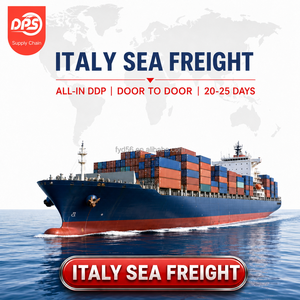 EU & Italy DDP
Shipping Agent Italy Sea Freight From China to Genoa Naples DDP Door to Door FCL LCL Cargo Forwarder Express Service
 Amazon FBA Global
Reliable DDP Sea Freight Forwarder From China To Worldwide | FCL Door-to-Door Shipping Agent For Amazon FBA Logistics
 Multi-Country Express
Top Sea Freight Forwarder Agent Shipping DDP Door to Door Transport Maritime International China to Canada Usa Italy Germany UK
 Trans-Pacific Express
Fast Delivery Logistics Forwarder 24-Hour Track Ocean Sea Freight Forwarder Transitaire Shipping Agent From China to USA by Sea
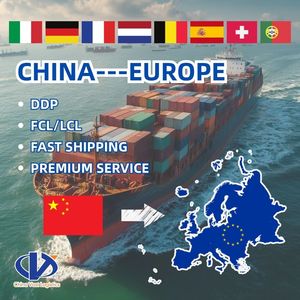 Europe Direct FCL/LCL
Professional Freight Forwarder Sea International Shipping Company to Europe France FCL LCL Cheaper Ocean Freight
 Global LCL Consolidation
LCL Express DDP Ocean Shipping Agent China to USA/Canada/UK/Europe/Australia Sea Freight Forwarder Logistics Service
 Economical DDP Line
Cheapest Ddp Door to Door Services Sea Shipping Agent Freight Forwarder From China to Usa Uk France Transport Agent
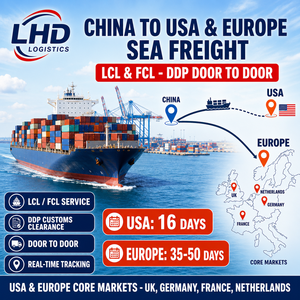 Premium Fast Maritime
Best Competitive Fast Door to Door Ocean Shipping Agent DDP Delivery Freight Forwarder by Sea From China to USA UK
Enterprise Competence & Operational Excellence
Navigating international trade requires more than booking cargo space on a vessel; it demands meticulous compliance, deep regulatory knowledge, and proactive risk management. As a licensed U.S. Customs Brokerage and CTPAT-certified international freight forwarder with over four decades of operational expertise, our organization bridges the gap between global manufacturers and overseas importers.
Operating from strategic hubs on both the East Coast (Staten Island and Lynbrook, NY) and West Coast (Diamond Bar, CA), we provide direct interface with major maritime gateways including the Port of New York & New Jersey, Port of Los Angeles, Port of Long Beach, and key European entry hubs like Genoa, Naples, Le Havre, and Hamburg.
Licensed US Customs Brokerage
Direct electronic filing of entry summaries (CBP Form 7501), ISF 10+2 pre-filings, and continuous customs bond underwriting to ensure zero-hold border security clearances.
CTPAT Supply Chain Validation
Validated under U.S. Customs Trade Partnership Against Terrorism standards, providing expedited customs processing, reduced physical exams, and prioritized terminal drayage.
Multilingual Logistics Desk
Our experienced logistics specialists operate 24/7 with native fluency in English, Spanish, and Italian—eliminating cross-border friction between factories, carriers, and customs officers.
Understanding CE Compliance in International Export & Logistics
The title of CE Certified International Freight Exporter represents a dual obligation: ensure that physical manufactured goods conform to European Union health, safety, and environmental protection standards, while concurrently maintaining absolute integrity within transport logistics documentation.
1. The Interplay Between Product Compliance & Freight Documentation
When shipping CE-certified industrial machinery, electronics, medical devices, or construction materials across international waters, customs authorities—such as U.S. Customs and Border Protection (CBP) or EU Member State Customs Agencies—inspect both physical cargo labels and accompanying trade documents. A failure in regulatory conformity at origin inevitably leads to cargo detention, expensive demurrage charges, or mandatory re-exportation.
Essential documentation managed by our licensed logistics framework includes:
- EU Declaration of Conformity (DoC): Issued by the manufacturer, detailing exact Harmonized System (HS) codes, applicable Directives (e.g., Low Voltage Directive 2014/35/EU, Machinery Directive 2006/42/EC, EMC Directive 2014/30/EU), and notified body test reports.
- Commercial Invoice & Detailed Packing List: Must explicitly cite the CE certification status, Harmonized Tariff Schedule (HTS) 10-digit classification, and precise chemical or mechanical properties for customs clearance.
- Bill of Lading (B/L) & Waybill Integration: Synchronizing cargo descriptions with the Importer Security Filing (ISF) 24 hours prior to vessel departure at origin ports.
2. CE Compliance Matrix by Product Category
| Product Classification | Applicable EU Directive / Standard | Customs Document Required | Recommended Shipping Mode |
|---|---|---|---|
| Industrial Machinery & Equipment | 2006/42/EC (Machinery Directive) | DoC + Technical File Summary | FCL (Full Container Load) / Flat Rack |
| Consumer Electronics & IT | 2014/53/EU (Radio Equipment) / RoHS | Safety Test Report + DoC | Air Freight / Express LCL DDP |
| Medical Equipment & Devices | MDR (EU) 2017/745 | Notified Body Certificate + DoC | Temperature-Controlled FCL / Air |
| Electrical Appliances & Hardware | 2014/35/EU (Low Voltage Directive) | CB Test Certificate + DoC | Ocean LCL / Standard 40' HC FCL |
Strategic Sourcing & Procurement Optimization
Global importers and supply chain directors must evaluate logistics costs holistically. Focusing strictly on ocean freight rates while ignoring terminal drayage, customs clearance fees, and landed tariff exposure leads to cost overruns. Our strategic freight analysis evaluates three core pillars:
DDP (Delivered Duty Paid) vs. FOB/CIF
Under DDP terms, the freight exporter takes end-to-end accountability for freight booking, export customs, maritime insurance, import entry clearance, duty/VAT payments, and final warehouse drayage. This eliminates unbudgeted surprises for foreign buyers and streamlines door-to-door delivery.
Conversely, FOB leaves import customs and drayage management to buyers who may lack local US/EU brokerage connections, exposing shipments to demurrage penalties.
FCL (Full Container Load) vs. LCL Consolidation
FCL (20'GP, 40'GP, 40'HC): Best suited for shipments exceeding 15 CBM or high-value machinery. Offers sealed container integrity from origin factory to destination warehouse, minimizing handling risk and transit days.
LCL Freight Consolidation: Ideal for smaller volume exports (1 to 14 CBM). Importers pay exclusively for utilized volume while benefiting from fixed weekly vessel sailings.
Cost & Transit Efficiency Analysis
| Transport Mode | Average Trans-Pacific Transit | Average Trans-Atlantic Transit | Cost Index ($/CBM) | Risk Profile |
|---|---|---|---|---|
| Express Air Cargo | 3 – 5 Days | 2 – 4 Days | High ($4.50 – $7.50/kg) | Low (Minimal Handling) |
| Priority Ocean FCL | 11 – 16 Days | 10 – 14 Days | Low (Bulk Optimized) | Very Low (Sealed Unit) |
| Standard Ocean LCL | 18 – 25 Days | 16 – 22 Days | Moderate (Shared Container) | Moderate (CFS De-consolidation) |
| Multimodal Sea-Rail Drayage | 20 – 28 Days | 18 – 24 Days | Optimized Inland Cost | Controlled Rail Transit |
Future Procurement & Global Shipping Trends
As international trade policy evolves, CE-certified freight exporters and global importers face a shifting landscape driven by environmental regulations and digital trade mandates. Organizations that proactively align their supply chain infrastructure will secure sustained competitive advantages.
1. Green Freight & Carbon Tax (CBAM)
The European Union's Carbon Border Adjustment Mechanism (CBAM) and IMO 2030 carbon reduction mandates require exporters to report embedded emissions in freight transport. Future CE-certified freight lines will require certified green vessel routing and carbon offset reporting.
2. Automated AI Customs Clearance
U.S. Customs and European tax authorities are deploying machine-learning algorithms to audit HTS classifications, valuation declarations, and CE marking validity in real time. Direct integration between forwarders and customs API infrastructure is now mandatory.
3. IoT Container Telemetry
Next-generation ocean freight utilizes real-time GPS, temperature, humidity, and shock sensors embedded directly inside FCL containers. This gives importers full visibility over sensitive machinery and certified electrical goods in transit.
Development Trends in International Freight Exporting
The global supply chain architecture is shifting from centralized manufacturing single-sourcing toward multi-hub regional strategies. Importers operating across North America and Europe are actively implementing nearshoring and multi-origin procurement models.
Strategic Infrastructure Adaptations:
- Expansion of Secondary Port Gateways: To bypass congestion at primary ports like Los Angeles or Long Beach, freight exporters are increasingly utilizing gateways like Seattle, Tacoma, Houston, Savannah, Genoa, and Naples paired with dedicated rail terminal drayage.
- Pre-Clearing Logistics & Bonded Warehousing: Utilizing foreign trade zones (FTZ) and bonded customs warehouses allows CE-certified products to be staged near target markets without immediate duty liquidation, optimizing working capital.
- End-to-End Accountable Logistics Partners: Importers are migrating away from fragmented vendor chains (separate freight brokers, customs agents, and drayage truckers) in favor of single-point-of-accountability providers offering integrated DDP execution.
"Proactive compliance verification at origin cuts destination border delays by over 92%. In international freight, administrative accuracy is just as critical as vessel velocity."
Frequently Asked Questions (FAQ)
Optimize Your CE Freight Supply Chain Today
Consult directly with our licensed U.S. customs brokers and international freight specialists. Get precise DDP quotes, container availability, and compliance audits for your cargo.