Top Duty-Paid Freight & Export Agent Services
Streamlined DDP ocean freight, licensed U.S./EU customs entry, and FCL/LCL door-to-door execution managed directly from key China trade hubs.
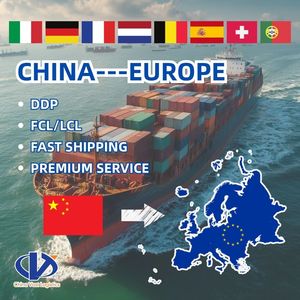
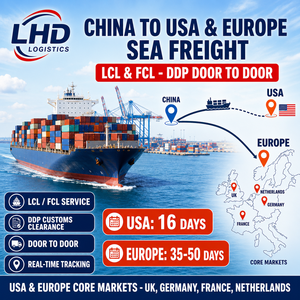
40+ Years of U.S. Customs Brokerage & Global Freight Expertise
Bridging Chinese export manufacturing hubs with North American and European entry gateways through rigorous compliance, licensed customs clearance, and CTPAT supply chain validation.
Licensed U.S. Customs Broker
Direct ABI/ACE electronic transmission to U.S. Customs and Border Protection (CBP). We eliminate third-party broker markup while ensuring strict compliance with Section 301 tariffs, antidumping/countervailing duty (AD/CVD) regulations, and partner government agencies (FDA, USDA, EPA).
CTPAT Certified Partner
As a validated CTPAT Tier 2 partner, our shipments enjoy reduced CBP examination rates, expedited processing times during port congestion, and priority access to green channels during international trade disruptions.
Coast-to-Coast U.S. Gateways
Headquartered at Staten Island, NY (4398 Victory Blvd), with strategic operational centers in Lynbrook, NY and Diamond Bar, CA. Dedicated drayage management serving the Ports of NY/NJ, Los Angeles, Long Beach, and major inland rail hubs.
Trilingual Supply Chain Desk
Fluency in English, Spanish, and Italian allows seamless coordination between overseas suppliers in Ningbo, Shenzhen, or Shanghai and international buying houses, retail distributors, and domestic drayage dispatch teams.
End-to-End DDP Tariff Mitigation
Guaranteed landed-cost clarity. We assist Chinese exporters and global buyers in structuring compliant Delivered Duty Paid terms, avoiding post-entry CBP duty audits, liquidations penalty notices, and unexpected storage surcharges.
24/7 Real-Time Freight Tracking
Round-the-clock proactive vessel monitoring, free-time tracking (demurrage & detention prevention), and automated milestone alerts from origin port departure to final destination warehouse unloading.
Navigating China Import Duties & Export Logistics: A Strategic Tariff Mitigation Framework
In the modern era of global commerce, sourcing manufactured goods from Chinese exporters requires far more than arranging vessel space and negotiating FOB pricing. The international trade landscape has transformed into a high-stakes environment defined by fluctuating Section 301 tariffs, stringent Harmonized Tariff Schedule (HTS) compliance, shifting De Minimis rules, and rigorous U.S. Customs and Border Protection (CBP) enforcement regimes.
For multinational corporations, cross-border e-commerce brands, and industrial importers, achieving a sustainable competitive edge relies on securing high-quality Chinese suppliers while simultaneously engineering a legally sound, cost-optimized duty clearance and freight architecture. This white paper breaks down the core operational dynamics of China import duties, Delivered Duty Paid (DDP) logistics, and structural supply chain strategies required to maximize margins in 2025 and beyond.
Logistics Director Insight: "Importers who rely on unverified overseas freight forwarders for duty estimation often face post-entry liquidation penalties, retroactive Section 301 duty demands, and catastrophic port demurrage. Working directly with a U.S. Licensed Customs Broker ensures your landed cost calculations match CBP audits exactly."
Understanding the Complexities of China-Origin Duty Structures
When goods originate in Mainland China, importers into major consumer markets—such as the United States, Canada, the United Kingdom, and the European Union—must navigate multi-layered tax frameworks:
- Base Column 1 Most-Favored-Nation (MFN) Rates: Standard tariff percentages assigned to items according to their 10-digit HTS code classification.
- Section 301 Emergency Tariffs: Additional punitive duties ranging from 7.5% to 25% (or higher on select clean technology, semiconductor, and steel product headings) imposed under U.S. trade acts on thousands of Chinese-origin subheadings.
- Antidumping and Countervailing Duties (AD/CVD): Severe regulatory duties targeting specific Chinese manufacturing sectors (e.g., aluminum extrusions, solar cells, specific chemical compounds) designed to offset subsidies and below-market dumping.
- Value Added Tax (VAT) and Customs Clearances in Europe: Importing into European hubs like Genoa, Naples, or Le Havre requires exact compliance with EU import VAT rules, EORI validation, and integrated customs declarations.
DDP vs. FOB vs. DPU: Strategic Incoterms Risk Matrix
Selecting the optimal Incoterm 2020 clause dictates who bears financial liability for tariffs, freight insurance, customs holds, and port free-time overruns. Below is an executive comparison designed for procurement directors negotiating contracts with top Chinese exporters.
| Incoterm Clause | Duty Payment Responsibility | Customs Clearance Filing | Risk Transfer Point | Ideal Sourcing Use Case |
|---|---|---|---|---|
| FOB (Free on Board) | Buyer (Importer of Record) | Buyer's Licensed Broker | Vessel Rail at Origin Port (e.g., Ningbo) | High-volume FCL buyers with established U.S. customs brokers and drayage contracts. |
| DDP (Delivered Duty Paid) | Seller / Exporter Freight Agent | Seller's Appointed Broker | Buyer’s Destination Warehouse Door | E-commerce sellers, Amazon FBA, or buyers seeking zero tax calculation hassle. |
| DAP / DPU (Delivered at Place) | Buyer (Importer of Record) | Buyer's Customs Broker | Destination Warehouse / Terminal Unloaded | Complex industrial machinery imports needing buyer-controlled tariff engineering. |
While DDP appears frictionless for buyers because the Chinese supplier or their freight agent assumes responsibility for shipping and duty payment, it introduces legal exposure if the appointed freight forwarder underdeclares item values to bypass Section 301 taxes. Working with an accredited partner like Cordaro Shipping Co. guarantees that DDP structures strictly adhere to CBP Form 7501 regulations.
Future Sourcing Trends for Chinese Exporters (2025–2030)
The global trade ecosystem is undergoing a dramatic structural transformation. Importers sourcing from China must adapt their procurement models to align with three macro sourcing trends currently shaping international supply chains:
1. The Shift Toward "China + 1" Component Consolidation
While finished-goods manufacturing continues to diversify into Southeast Asia (Vietnam, Malaysia, Indonesia) and Mexico, Mainland China remains the world's primary raw material and sub-assembly supplier. Modern trade flows increasingly feature "China-origin components" routed through third nations for final assembly. However, buyers must remain vigilant: under U.S. Customs "Substantial Transformation" rules, simply packaging or performing minor assembly in a secondary country does not alter the country of origin. Misinterpreting this rule risks severe CBP penalties under the False Claims Act.
2. Digitalization of Customs Clearances and Automated HTS Audits
Customs authorities worldwide are replacing manual document reviews with automated algorithmic risk assessment. U.S. CBP's ACE (Automated Commercial Environment) and the EU's ICS2 system utilize machine learning to instantaneously cross-reference declared commercial invoice values against global pricing benchmarks. Importers must ensure their Chinese exporters provide detailed, itemized packing lists and legally defensible HTS code descriptions to prevent instant audit flags.
3. Sustainable Shipping Corridors & Carbon Regulation Compliance
Maritime transport is entering an era of decarbonization mandates. The European Union’s Emissions Trading System (EU ETS) expansion to maritime shipping and the EU Carbon Border Adjustment Mechanism (CBAM) require importers to track embedded carbon footprints. Premium Chinese exporters are partnering with green-carrier ocean lanes (LNG-powered and bio-fuel vessels), ensuring that high-duty goods comply with evolving global ESG criteria without incurring carbon surcharges.
Industry Development Trends: Transforming China-Global Freight Execution
To optimize landed cost efficiency when executing ocean freight from major Chinese manufacturing hubs (Shenzhen, Guangzhou, Shanghai, Ningbo, Qingdao, Tianjin), logistics managers must leverage modern operational frameworks:
Fast-Track Ocean Express vs. Air Freight Arbitrage
Historical supply chain models maintained a strict binary: slow ocean freight (25–35 days) or expensive air freight (3–5 days). Today, specialized ocean express routes operating out of Yantian or Shanghai directly to West Coast U.S. ports (Los Angeles/Long Beach) achieve 11-to-14-day port-to-port transit times. Combined with pre-filed ISF 10+2 documentation and immediate wheel-mount drayage offloading, fast ocean services offer air-freight velocity at one-fourth of the transportation cost.
Bonded Warehousing and Duty Deferral Strategies
Enterprise importers managing high Section 301 tariff burdens are expanding their use of Foreign Trade Zones (FTZs) and U.S. Customs Bonded Warehouses. By placing China-origin goods directly into a bonded facility upon port arrival, duty payments are deferred until the product is sold and released into domestic commerce. If goods are re-exported to Canada, Mexico, or South America, the importer completely avoids paying U.S. import duties, yielding significant cash-flow optimization.
Cordaro Shipping Co.: Your Accountable Strategic Logistics Partner
For more than four decades, Cordaro Shipping Co., Inc. has delivered enterprise-grade customs brokerage, ocean freight forwarding, and container drayage services for global trade lanes. Built upon family-owned values and backed by CTPAT certification, our organization provides an unyielding defense against compliance delays, demurrage surcharges, and tariff misclassifications.
Comprehensive Door-to-Door Service Spectrum
- Formal & Informal U.S. Customs Clearance: Electronic entry filing (ACE), Section 301 duty exemption review, and HTS tariff engineering.
- Ocean Freight Forwarding (FCL & LCL): Dedicated container space allocation with major ocean carrier alliances (20', 40', 40' High Cube, and reefer equipment).
- Time-Critical Air Cargo: Fast-track air import clearance and airport-to-door delivery for emergency inventory replenishment.
- Harbor Drayage & Fleet Dispatch: Direct port pickup at NY/NJ, Los Angeles, and Long Beach with real-time free-time monitoring to eliminate storage fees.
Frequently Asked Questions
Expert answers regarding China import duties, customs compliance, and international shipping protocols.
The Importer Security Filing (commonly known as ISF 10+2) is a mandatory U.S. Customs requirement for ocean vessel shipments. It requires importers or their licensed customs broker to transmit 10 specific data elements (including manufacturer name, seller, buyer, importer of record number, and HTS code) to CBP at least 24 hours BEFORE the container is loaded onto the vessel at the Chinese origin port. Failure to file on time or submitting inaccurate data leads to automatic CBP liquidated damages fines of $5,000 per violation.
Section 301 tariffs represent additional duties imposed by the U.S. Trade Representative on specific Chinese products, ranging from 7.5% up to 25% or higher, over and above the standard MFN Column 1 duty rate. Calculating your true landed cost requires combining the base duty rate, Section 301 surcharge, Harbor Maintenance Fee (HMF of 0.125%), Merchandise Processing Fee (MPF of 0.3464%), and ocean freight transportation costs. Our brokerage team reviews your HTS codes to determine exact tariff liabilities prior to order placement.
Under U.S. trade law, the legal Importer of Record (IOR) remains strictly liable for duty underpayments, incorrect HTS classifications, and fraudulent valuations. Overseas DDP logistics agents often use grey-market entry procedures or consolidated under-invoicing to offer low shipping rates. If CBP audits the shipment, the U.S. buyer faces severe retroactive duty bills, interest, and asset seizures. Working with a licensed U.S. customs broker like Cordaro Shipping guarantees legal compliance and protects your business entity.
FCL means your cargo occupies an entire dedicated 20-foot or 40-foot container, offering faster transit, zero port deconsolidation delays, and minimal handling risk. LCL consolidates smaller shipments from multiple buyers into a single container; you pay only for the volumetric space (CBM) used. While LCL is cost-effective for shipments under 15 CBM, FCL becomes significantly more economical and faster once volume exceeds 15–20 CBM.
CTPAT (Customs Trade Partnership Against Terrorism) is a elite security accreditation granted by U.S. Customs. Shipping through a CTPAT-certified broker and forwarder means your cargo receives significantly lower risk scores in CBP’s automated inspection algorithm. This translates to fewer costly port inspections (X-ray examinations and tail-gate holds), faster release times upon arrival, and prioritized processing during national supply chain disruptions.
Demurrage (fees charged by the terminal for containers sitting past free time) and detention (fees charged by ocean carriers for late container return) are prevented through proactive drayage management. Cordaro Shipping monitors vessel ETA 7 days prior to berth, pre-clears customs entries 5 days before arrival, secures chassis allocations early, and dispatches dedicated trucks the moment containers are discharged to wheel-mount positions.
Optimize Your China Import Duties & Global Logistics Today
Consult with our licensed customs brokers and global freight specialists to analyze your supply chain, reduce duty liabilities, and ensure seamless door-to-door delivery.
Send an Inquiry