Verified China Multimodal Freight & DDP Solutions
Select from our vetted multimodal transport routes and specialized forwarding services designed for global wholesale importers, Amazon FBA sellers, and industrial manufacturers.
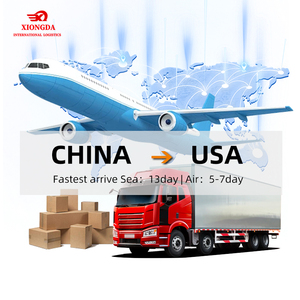
Multimodal Transportation DDP International Tracking Sea/Air Freight Forwarder China to USA
Get a Quote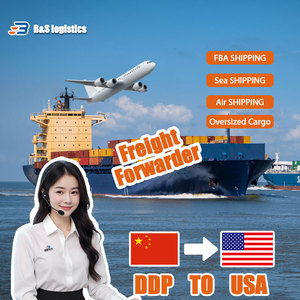
Fast Door To Door Logistics Service LCL Express Trucking Sea Air Freight FBA Agent China to US
Get a Quote
One Stop Global Freight Solution to US UK EU Canada Multimodal Transport with Customs Clearance
Get a Quote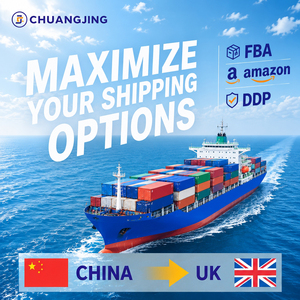
Multimodal Sea Transportation Freight Forwarder LCL DDP Door To Door China To UK FBA Deliveries
Get a Quote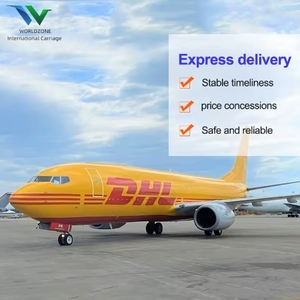
China to South America (Chile/Colombia/Peru/Ecuador) DDP Multimodal Express & Ocean Logistics
Get a Quote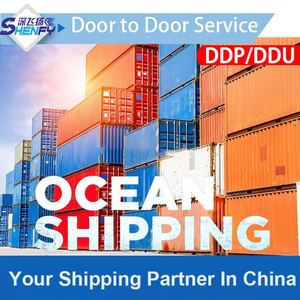
Professional Ocean Shipping Agent Vietnam/China to USA Canada Europe DDP LCL FCL Multimodal Service
Get a Quote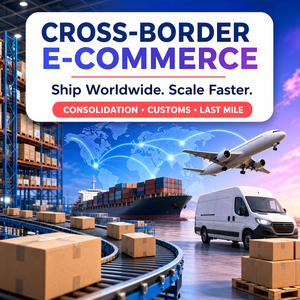
Combined Transport Service Sea-Air Sea-Land Multimodal Shipping Global Cargo Logistics with Insurance
Get a Quote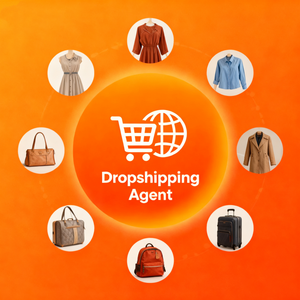
Global Dropshipping Agent Fast Multimodal Air/Truck Expedited Fulfillment & Warehousing Service
Get a QuoteStrategic Whitepaper: Navigating China Wholesale Multimodal Transport Networks
In the contemporary macro-economic environment, sourcing products from China wholesale factories requires far more than basic port-to-port ocean freight. Modern international procurement demands a synergistic multimodal transport strategy that harmonizes ocean shipping, air cargo speed, inland rail transport, and container drayage into a unified supply chain pipeline.
Multimodal transportation—defined legally as the movement of cargo under a single Contract of Carriage or Through Bill of Lading (TBL) using at least two distinct modes of transport—offers enterprise buyers an unprecedented mechanism for risk mitigation, cost containment, and schedule control. Whether moving high-density industrial machinery from Ningbo, consumer electronics from Shenzhen, or retail goods from Yiwu, leveraging a single accountable freight forwarder equipped with internal U.S. customs brokerage eliminates organizational friction and structural delays.
The Economics of Multimodal Routing: Cost vs. Transit Time Synergy
Sourcing managers traditionally faced a binary choice: expensive air freight with 3-to-5-day transit times, or cost-effective ocean freight enduring 22-to-35-day transit cycles. Multimodal logistics creates an optimized middle tier. By combining Sea-Air transshipment hubs (e.g., Sea freight from Shanghai to Dubai/Vancouver, followed by express Air freight to destination airports) or Sea-Land intermodal express, importers achieve 40% faster delivery cycles than standard ocean FCL/LCL at up to 60% less capital expenditure than pure air shipping.
Landed Cost Optimization
Eliminate hidden demurrage, detention fees, and fragmented carrier surcharges by utilizing consolidated DDP door-to-door tariffs.
Regulatory Compliance
Direct integration with licensed U.S. Customs Brokers ensures accurate HTS classification, ISF 10+2 pre-filing, and CBP hold avoidance.
Guaranteed Velocity
Priority berth access, pre-cleared drayage dispatch, and automated tracking mitigate port congestion along major trade lanes.
Enterprise Infrastructure: 40+ Years of Customs & Global Logistics Mastery
When sourcing wholesale commodities from Chinese manufacturing hubs, cargo security and regulatory compliance dictate your commercial success. Operating with over 40 years of family-owned institutional experience, our freight organization combines international forwarder agility with strict federal compliance standards.
Unlike non-licensed intermediaries, our operational core is backed by a Licensed U.S. Customs Brokerage and official CTPAT (Customs Trade Partnership Against Terrorism) certification. This dual credential allows us to clear customs in-house, pre-file ocean ISF entries at origin, and manage intermodal container drayage directly from key U.S. coastlines—including the Port of New York & New Jersey (Staten Island / Lynbrook gateways) and West Coast hubs (Los Angeles & Long Beach via Diamond Bar infrastructure).
Multimodal Transport Mode Technical Comparison
| Logistics Route / Mode | Average Transit Time | Cost Efficiency | Ideal Cargo Profile | Customs Risk Level |
|---|---|---|---|---|
| Direct Ocean FCL (Full Container) | 14 - 26 Days | Maximum (Lowest $/CBM) | High-Volume / Heavy Industrial Cargo | Low (Single Shipper Entry) |
| Consolidated Ocean LCL DDP | 18 - 30 Days | High (Pay per CBM) | Medium B2B Orders / FBA Stocking | Medium (Requires De-consolidation) |
| Sea-Air Combined Transport | 8 - 12 Days | Balanced (50% cheaper than Air) | Electronics / Seasonal Retail / Auto Parts | Low (Pre-Cleared Transshipment) |
| Express Air Freight Freight | 3 - 6 Days | Premium (High Rate/Kg) | Time-Critical / High Value / Samples | Fast-Track Electronic Filing |
| China-Europe Rail Multimodal | 12 - 18 Days | Moderate to High | Eurasian Overland B2B Supply Chains | Cross-Border Transit Bonds Required |
Our trilingual staff—fluent in English, Spanish, and Italian—provides 24/7 proactive visibility. We eliminate language barriers between Chinese supplier dispatch desks, international maritime carriers, and domestic delivery warehouses.
Future Procurement Trends in Multimodal Transport (2025–2030)
As global trade recalibrates around digital transparency, tariff fluidity, and environmental accountability, enterprise procurement directors must prepare for several structural shifts in Chinese export logistics:
1. AI-Driven Route Dynamic Re-Routing
Predictive algorithms now automatically switch transit modes (e.g., diverting ocean cargo to rail drayage or air bridge) upon detecting port strikes, canal bottlenecks, or adverse weather events, maintaining schedule integrity.
2. Mandatory Scope 3 Carbon Tracking
European and North American regulatory mandates require enterprise importers to report greenhouse gas emissions per ton-kilometer. Multimodal operators utilizing electrified drayage fleets and green-fueled maritime vessels hold an essential competitive edge.
3. Automated Pre-Clearance & Blockchain Documentation
Paper Bills of Lading are rapidly giving way to smart electronic contracts. Direct API integration between Chinese factory dispatch systems and U.S. CBP Automated Broker Interface (ABI) enables cargo clearance prior to vessel arrival.
Macro Development Trends in China’s Wholesale Manufacturing Ecosystem
China's manufacturing infrastructure continues to evolve from basic labor-intensive production to high-tech, automated, and regionalized industrial clusters. Understanding these geographical trends is key to optimizing multimodal routing:
- Greater Bay Area (Shenzhen, Guangzhou, Dongguan): Dominates high-value electronics and smart hardware. Multimodal strategies here focus on fast air-sea hubs through Hong Kong and express ocean routes to West Coast ports.
- Yangtze River Delta (Ningbo-Zhoushan, Shanghai, Suzhou): The world’s largest container ecosystem for general merchandise, industrial machinery, and textiles. Demands robust FCL/LCL ocean capacity coupled with rail drayage connections.
- Inland Manufacturing Hubs (Chengdu, Chongqing, Wuhan): High-tech industrial inland centers rely heavily on combined River-Sea barge networks or the China-Europe Railway Express for seamless international trade connectivity.
Frequently Asked Questions: China Multimodal Sourcing & Import Logistics
Get definitive answers from licensed U.S. customs brokers and experienced freight specialists regarding international transport regulations, customs bonds, and landed cost optimization.
Ready to Optimize Your China Multimodal Supply Chain?
Connect directly with our licensed U.S. customs brokerage team and global logistics engineers. Receive a transparent, zero-obligation landed cost quote for your wholesale imports today.
Get a Quote