Featured OEM Cargo Handling & Freight Services
Precision-engineered freight forwarder solutions, door-to-door DDP logistics, and containerized handling tailored for international exporters, Amazon FBA merchants, and industrial importers.

DDP Sea Freight & Genoa/Naples Italy Door-to-Door Cargo Handling
Global Amazon FBA & Commercial FCL Ocean Cargo Forwarding
Multilateral DDP Maritime Transport (China to US/EU/UK/CA)
Express 24-Hour Tracking Ocean Cargo & Speed Freight Solutions
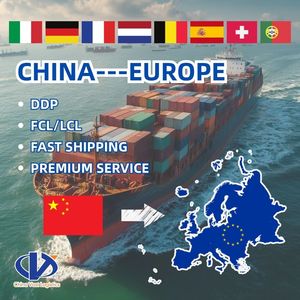
European FCL/LCL Direct Line Freight Forwarding (France/EU)
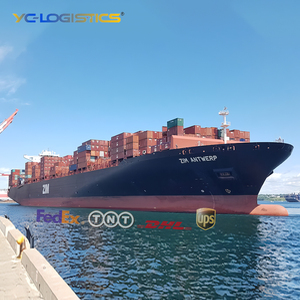
Consolidated LCL Express DDP Ocean Cargo Distribution
Competitive Door-to-Door Multi-Port Sea Shipping & Brokerage
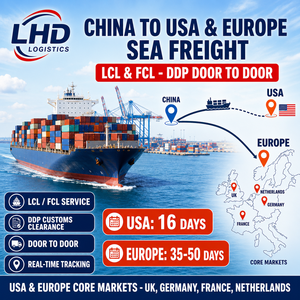
Priority High-Velocity Ocean Shipping & Port Drayage Management
Architectural Breakdown: Custom OEM Cargo Handling & Global Export Logistics
In modern global trade, sourcing from a Custom OEM Cargo Handling Supplier & Exporter requires far more than basic freight movement. It demands an end-to-end operational framework that integrates heavy industrial packing, specialized container drayage, compliant Importer Security Filing (ISF 10+2), Harmonized Tariff Schedule (HTS) classification, and precision door-to-door delivery. As international supply chains face dynamic regulatory updates and fluctuating maritime spot rates, enterprise procurement teams must align with licensed, CTPAT-certified partners capable of reducing total cost of ownership (TCO) while guaranteeing regulatory security.
1. The Core Ecosystem of Custom OEM Cargo Engineering
OEM (Original Equipment Manufacturer) cargo handling involves bespoke physical and digital procedures designed for delicate, oversized, or high-value industrial goods. Unlike standardized consumer bulk items, custom OEM shipments require precise load distribution, moisture-barrier wrapping, shock-absorption drayage setups, and specialized container types (including 20' GP, 40' HC, Open Top, and Flat Rack configurations).
- Structural Rigging & Palletization: Customized crate fabrication meeting ISPM-15 heat-treatment standards to prevent international biosecurity holds.
- FCL vs. LCL Strategic Optimization: Dynamic routing engines evaluate volume thresholds. Shipments exceeding 14 CBM are automatically engineered for Full Container Load (FCL) optimization to maximize cost-per-cubic-meter ratios.
- DDP (Delivered Duty Paid) Direct Line Clearances: Full ownership of tariff payments, bond coverage, and last-mile drayage, insulating the buyer from unexpected port demurrage fees.
2. U.S. Customs Compliance & CTPAT Security Integration
Operating under 40+ years of institutional freight forwarding leadership (Cordaro Shipping Co., Inc.), our logistics architecture integrates directly with U.S. Customs and Border Protection (CBP). Through primary gateways in New York (Port of NY & NJ - Staten Island & Lynbrook) and California (Ports of Los Angeles & Long Beach - Diamond Bar), our licensed customs brokers ensure flawless tariff compliance.
As a CTPAT (Customs Trade Partnership Against Terrorism) certified entity, cargo managed through our network benefits from reduced CBP inspection rates, priority processing during port congestion, and expedited drayage access. Overseas suppliers and importers gain a fortified supply chain compliant with strict U.S. security standards.
Enterprise Advantage Matrix
We bridge the gap between overseas manufacturing output and complex U.S. customs entry requirements through specialized expertise.
Licensed U.S. Brokerage
Direct electronic entry filings with CBP. Precise HTS code verification, single-entry and continuous bond management, preventing costly audit penalties.
CTPAT Certified Operations
Validated supply chain security protocols that grant fast-track customs clearance, lower inspection frequency, and enhanced security audit protection.
Bicoastal Gateways
Strategic offices and container drayage hubs positioned at Staten Island (NY), Lynbrook (NY), and Diamond Bar (CA) covering key ocean and air terminals.
Multilingual Desk
Fluent operational support in English, Spanish, and Italian, ensuring seamless communication across international suppliers, port authorities, and buyers.
24/7 Live Monitoring
Real-time ocean vessel tracking, milestone alerting, container free-time monitoring, and proactive detention/demurrage mitigation.
Future Procurement Trends in OEM Cargo Logistics (2026–2030)
As the international manufacturing landscape evolves, procurement executives must adapt their logistics sourcing models to meet rising environmental standards, automated compliance requirements, and nearshoring shifts. Below are the definitive structural trends redefining OEM cargo handling over the next decade:
1. AI-Driven Automated ISF & Customs Auditing
Manual paperwork processing is rapidly being replaced by API-integrated automated declaration engines. Future-ready OEM cargo suppliers utilize real-time optical character recognition (OCR) and machine learning to map commercial invoices directly to HTS classifications. This guarantees that Importer Security Filings (ISF 10+2) are transmitted to U.S. Customs at least 24 hours prior to foreign port loading, eliminating the risk of $5,000 per-violation liquidated damages.
2. Carbon-Neutral Maritime Corridors & Green Drayage
Global regulatory bodies, including the International Maritime Organization (IMO) and U.S. EPA, are enforcing strict Scope 3 emission reporting. OEM cargo suppliers are transitioning to carrier networks utilizing methanol, LNG, and electric port drayage fleets. Procurement contracts now increasingly mandate ESG reporting metrics embedded directly within Bills of Lading (BOL).
3. Nearshoring & Multi-Modal Drayage Resilience
To hedge against Trans-Pacific maritime disruptions, enterprises are adopting multi-modal routing strategies. By pairing ocean freight into West Coast ports (Los Angeles/Long Beach) with rapid rail-drayage corridors to East Coast fulfillment hubs, manufacturers maintain operational continuity even during seasonal port bottleneck events.
Advanced Product Development Trends in Cargo Equipment
The physical equipment used to store, secure, and transport OEM industrial products is undergoing a technological revolution:
- IoT-Connected Smart Containers: Modern FCL ocean containers are now equipped with cellular and satellite telematics that transmit internal temperature, humidity, shock impact, and door-opening alerts continuously throughout transit.
- Modular Lightweight Composite Crating: High-density engineered composites are replacing traditional heavy timber crating, reducing tare weight by up to 18% and substantially lowering air and ocean freight cost-per-kilogram rates.
- Automated Load-Density Optimization: 3D spatial loading algorithms ensure maximum volumetric efficiency inside 40' High Cube containers, minimizing void space and reducing structural load shifts during turbulent ocean voyages.
Frequently Asked Questions: OEM Cargo & Import Logistics
Expert answers from licensed customs brokers and global freight forwarding experts.
Why is a licensed U.S. Customs Broker necessary for OEM cargo imports?
Commercial shipments imported into the United States valued over $2,500 generally require formal entry filing. A licensed U.S. Customs Broker acts as an authorized liaison with U.S. Customs and Border Protection (CBP), ensuring accurate HTS code classification, proper duty calculation, continuous customs bond attachment, and compliance with Partner Government Agencies (PGAs) such as the FDA, DOT, or EPA.
What is an ISF (10+2) filing and how can late filings be avoided?
The Importer Security Filing (ISF 10+2) is a mandatory CBP requirement for all ocean vessel shipments entering the U.S. It requires 10 data elements from the importer/broker and 2 from the ocean carrier, transmitted at least 24 hours BEFORE the container is loaded onto the vessel at the foreign port. Working with an integrated freight forwarder ensures ISF filing occurs seamlessly upon commercial invoice generation.
How do I choose between FCL (Full Container Load) and LCL (Less Than Container Load)?
Choose FCL if your shipment volume exceeds 13–15 CBM, or if your cargo requires isolated handling to prevent contamination or damage. LCL is ideal for smaller shipments (1–12 CBM), as you share container space and split maritime costs with other shippers, paying strictly for the volume utilized.
What specific advantage does CTPAT certification offer to OEM exporters and importers?
CTPAT (Customs Trade Partnership Against Terrorism) certification signals to CBP that your supply chain maintains validated security measures. Benefits include significantly reduced customs inspection rates (up to 50–80% fewer exams), front-of-the-line inspection queue priority during security holds, and access to expedited Free and Secure Trade (FAST) lanes.
How are demurrage and detention charges prevented during port drayage?
Demurrage (charged by port terminals for containers exceeding free storage time) and detention (charged by ocean lines for late container return) are controlled by proactive container tracking. Our drayage dispatch teams monitor vessel discharge, secure advance appointment slots at marine terminals, and coordinate rapid warehouse unloading.
Can you handle DDP (Delivered Duty Paid) shipments directly to Amazon FBA warehouses?
Yes. Our DDP door-to-door services manage origin pick-up, ocean/air export shipping, U.S. customs entry filing, duty/tax payment, palletization adhering strictly to Amazon FBA receiving guidelines, and final appointment-scheduled truckload drayage to FBA fulfillment centers nationwide.
Optimize Your OEM Cargo Supply Chain Today
Connect directly with licensed customs brokers and freight forwarding architects. Get tailored ocean routing schedules, precise landed-cost estimates, and compliant entry management.