Custom OEM Express Cargo Solutions & Freight Services
Streamlined DDP ocean freight, air express forwarding, and customs clearance tailored for enterprise buyers and overseas suppliers.
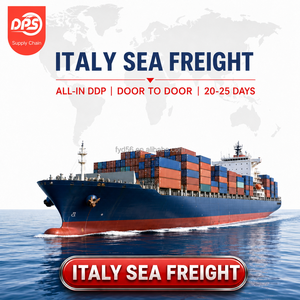
China to Italy Sea Freight Express Agent (Genoa/Naples DDP Door to Door)
- Transport Mode: FCL / LCL Sea Express
- Customs Status: DDP Clearance Included
- Transit Corridor: China ➔ Italy (EU)
Global DDP Sea Freight Forwarder for Amazon FBA & Commercial OEM Freight
- Target Market: Worldwide FBA & Warehouses
- Handling: Palletized OEM Cargo
- Compliance: Bonded Duty Payment
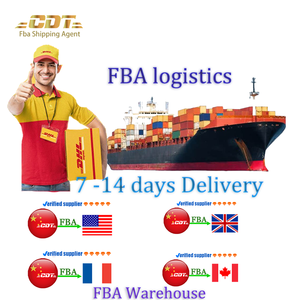
Top Maritime Sea Freight Forwarder (China to USA, Canada, UK, Italy, Germany DDP)
- Coverage: US / CA / UK / EU Gateways
- Service Type: End-to-End Maritime
- Security: ISF 10+2 Compliant
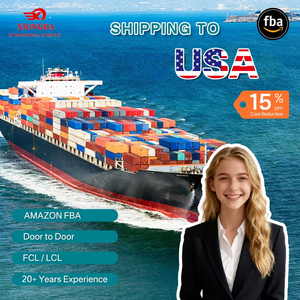
Fast Ocean Freight Forwarder China to USA with 24-Hour Live Container Tracking
- Transit Priority: Express Matson / Ocean Line
- Tracking: Real-time GPS / Milestone
- Port Handling: LA / LB / NY Express Drayage
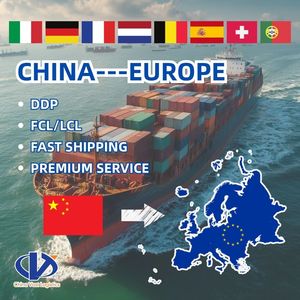
Professional Europe Ocean Freight Forwarding (FCL/LCL Direct Shipping to France)
- Destination: Le Havre / Marseille / Paris Hubs
- Tariff Strategy: EU HTS Classification
- Service Level: Cost-Optimized Ocean
LCL Express DDP Ocean Shipping Agent (China to USA, UK, Europe, Australia)
- Minimum Volume: 1 CBM Flexible Consolidation
- Deconsolidation: Dedicated Local Warehouses
- Incoterm: DDP / DDU Available
Cheapest DDP Door-to-Door Sea Shipping & Custom OEM Cargo Clearance Agent
- Cost Savings: Direct Carrier Contracts
- Clearance Type: Single Entry & Continuous Bond
- Destination: USA, UK, France Door Delivery
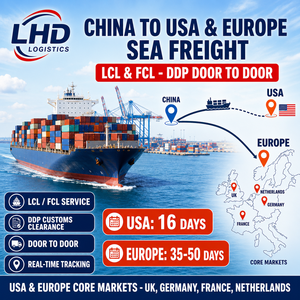
Competitive Fast Door-to-Door Ocean Shipping & Express Cargo DDP Forwarder
- Transit Speed: Priority Port Unloading
- Drayage Sync: Pre-Booked Container Chassis
- Destinations: Transpacific / Transatlantic
Why Enterprise Importers Partner with Our OEM Logistics Network
Combining forty years of customs brokerage heritage with CTPAT supply chain security and multi-port U.S. drayage infrastructure.
Licensed U.S. Customs Brokerage
Direct EDI transmission to U.S. Customs and Border Protection (CBP). We eliminate regulatory bottlenecks, audit risks, and unexpected duty assessments before cargo leaves origin ports.
- Continuous & Single Entry Bond Management
- Precision HTS Classification & Duty Audits
- PGA Interagency Clearances (FDA, EPA, DOT)
CTPAT Tier Security Certification
Validated under the Customs Trade Partnership Against Terrorism. CTPAT status grants your custom OEM cargo reduced inspection rates, priority processing, and green-lane clearance access.
- Fast-Track Vessel Unloading & Gate Out
- Secured Supply Chain Auditing & Integrity
- Dedicated CBP Account Manager Protocols
Bicoastal U.S. Port & Drayage Hubs
Strategically positioned near major North American gateways. Our offices in Staten Island, NY, Lynbrook, NY, and Diamond Bar, CA oversee seamless East and West Coast freight operations.
- Port of NY/NJ & LA/Long Beach Direct Drayage
- Zero Demurrage & Detention Protection Systems
- Transloading & Bonded Warehousing Access
Architecting Custom OEM Express Cargo Operations for High-Gain Supply Chains
In the modern international trade landscape, procuring goods from an OEM (Original Equipment Manufacturer) requires far more than basic factory production. It demands an integrated, custom-engineered logistics pipeline capable of transforming raw overseas manufacturing into compliant, door-delivered inventory with predictable landed costs. As a family-owned enterprise with over 40 years of operational experience, Cordaro Shipping Co., Inc. acts as the critical bridge connecting manufacturing units in Asia, Europe, and Latin America directly to distribution networks in North America and beyond.
Custom OEM express cargo protocols differ fundamentally from standardized off-the-shelf logistics. OEM shipments often involve specialized packaging specifications, custom barcoding, regulatory product marking (e.g., Country of Origin labeling, FCC/CE marks), and strict delivery deadlines tied to corporate supply chain SLAs. When moving freight under Delivered Duty Paid (DDP) terms, precision execution in Importer Security Filing (ISF 10+2) and Harmonized Tariff Schedule (HTS) coding is mandatory to avoid catastrophic customs delays and liquidated damage penalties up to $5,000 per missing filing.
Standard Freight Forwarding
Generic port-to-port carriage with fragmented customs handovers, unverified documentation, high risk of customs holds, and unpredictable final landed costs due to surprise demurrage charges.
Custom OEM Express Cargo Framework
End-to-end integration managed by licensed customs brokers. Includes origin invoice verification, pre-clearance filings, dedicated drayage chassis allocation, and single-invoice DDP pricing guarantees.
By synchronizing origin factory output with fast-track vessel bookings (such as Matson express lines or direct transatlantic express loops), enterprise importers achieve transit time reductions of 5 to 9 days compared to standard ocean consolidation services. Furthermore, our multilingual operations team—fluent in English, Spanish, and Italian—engages directly with overseas factory managers to verify commercial documentation before container loading, eliminating errors at the root level.
Future Procurement & Logistics Trends for Custom OEM Cargo
Strategic analysis of macroeconomic shifts, digital compliance imperatives, and green corridor initiatives shaping international trade.
1. AI-Driven Automated HTS Classification & Audit Trail
Customs authorities worldwide are deploying advanced machine learning algorithms to audit import entries in real time. Importers relying on manual, outdated HTS codes face escalating audit rates. Future-ready OEM procurement requires automated algorithmic classification backed by licensed customs broker validation to ensure 100% compliance with Section 301, 232, and anti-dumping regulations.
2. Nearshoring & Multi-Node OEM Corridor Routing
Global manufacturers are diversifying away from single-source manufacturing by adopting "China Plus One" strategies across Vietnam, Malaysia, and Mexico. Modern express cargo forwarders must provide multi-node logistics architecture, executing seamless transfers and unified DDP customs clearance across complex multi-country origin networks bound for U.S. ports.
3. Mandatory Supply Chain Security & Traceability Protocols
Legislation such as the Uyghur Forced Labor Prevention Act (UFLPA) mandates absolute supply chain transparency down to raw material origins. OEM freight forwarding now requires cryptographic chain-of-custody documentation, CTPAT security validation, and digital bill-of-lading integration to guarantee unhindered entry through U.S. Customs ports.
4. Green Corridor Express Shipping & Low-Carbon Drayage
Environmental Scope 3 emission compliance is transitioning from a corporate preference to a strict procurement requirement. Forward-looking enterprise buyers are selecting freight partners operating eco-optimized container vessels, electric drayage fleets, and route-optimization software that reduces carbon footprints while accelerating delivery speeds.
Frequently Asked Questions by OEM Cargo Buyers
Direct answers from licensed U.S. customs brokers regarding documentation, compliance, and international shipping options.
Do I need a licensed customs broker to import Custom OEM Cargo into the United States?
While U.S. law allows importers of record to file their own entries, commercial shipments exceeding $2,500 in value require a formal entry supported by an active Customs Bond, precise Harmonized Tariff Schedule (HTS) classification, valuation declaration, and Partner Government Agency (PGA) clearance. Utilizing a licensed U.S. customs broker ensures your entries comply with CBP guidelines, eliminating costly holds, fines, and container storage fees.
What is ISF (10+2) filing and why is it critical for OEM ocean cargo?
The Importer Security Filing (ISF 10+2) is a mandatory U.S. Customs requirement for all ocean vessel shipments destined for the United States. It requires 10 data elements from the importer and 2 from the ocean carrier to be transmitted to CBP at least 24 hours prior to loading the cargo aboard the vessel at the foreign origin port. Late or inaccurate filings trigger automatic CBP fines of $5,000 per violation.
How do I determine whether to ship my OEM cargo via FCL or LCL ocean freight?
Full Container Load (FCL) is optimal for large-volume orders filling a 20', 40', or 40' High Cube container. FCL provides faster overall transit because containers are loaded directly at your OEM factory and sealed until arrival at your destination warehouse. Less than Container Load (LCL) consolidates your cargo with other goods in a shared container, making it a cost-effective solution for smaller orders (1 to 15 CBM) where you only pay for the exact volume consumed.
What advantage does working with a CTPAT-certified logistics provider offer?
CTPAT (Customs Trade Partnership Against Terrorism) certification indicates that your logistics partner has undergone rigorous supply chain security audits by U.S. Customs and Border Protection. Shipments handled by CTPAT-certified brokers and forwarders enjoy significantly lower physical examination rates, priority processing during customs queues, and access to expedited clearance lanes during port congestion events.
What U.S. port gateways does Cordaro Shipping service for OEM express freight?
We maintain dedicated operational centers covering both major U.S. ocean trade corridors. Our headquarters in Staten Island, NY and office in Lynbrook, NY service the Port of New York & New Jersey and East Coast airports. Our West Coast office in Diamond Bar, CA manages high-volume transpacific freight moving through the Ports of Los Angeles and Long Beach. Through our global network, we coordinate shipping across more than 100 countries.
What languages does your international operations team support?
Our experienced staff communicates fluently in English, Spanish, and Italian. This multilingual capability allows us to liaise directly with overseas manufacturers, carriers, and local logistics teams to resolve documentation discrepancies, clarify factory origin manifests, and prevent customs delays before cargo departure.
Ready to Optimize Your Custom OEM Freight & Customs Pipeline?
Connect with a licensed U.S. Customs Broker today. Receive tailored DDP rate quotes, complimentary HTS compliance reviews, and custom express forwarding solutions for your manufacturing operations.