Featured OEM Heavy Haul Cargo & DDP Logistics Solutions
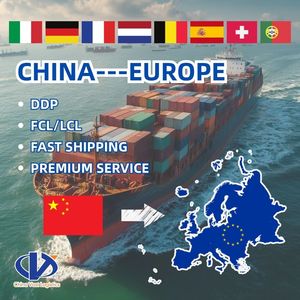
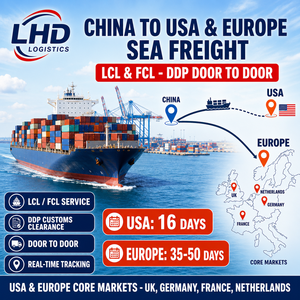
Browse our specialized freight forwarding and heavy machinery export programs. Providing complete DDP, FCL, and LCL sea/air freight services from major Asian manufacturing hubs to key U.S., European, and worldwide ports.
Engineering Principles & Manufacturing Standards in Custom OEM Heavy Haul Trailers
Understanding structural load dynamics, metallurgical integrity, modular axle designs, and compliant export procedures for superload transport equipment.
The global heavy haulage and specialized transport sector relies on precision-engineered OEM (Original Equipment Manufacturer) machinery, custom lowboy trailers, hydraulic platform trailers, and modular transport chassis. Transporting non-divisible, out-of-gauge (OOG) machinery—such as gas turbines, mining excavators, wind turbine blades, transformer units, and industrial pressure vessels—requires equipment fabricated to stringent structural specifications.
Core Technical Insight: OEM Heavy Haul equipment manufacturing must balance yield strength and tare weight. Implementing high-yield structural steels like HG70, HG785, or Hardox® 450 enables factories to optimize load-to-weight ratios while retaining structural fatigue thresholds under dynamic road loads.
1. Metallurgical Composition and Structural Integrity
Factories specializing in custom OEM heavy haul chassis fabrication utilize advanced FEA (Finite Element Analysis) modeling to simulate multi-directional torsional stress, frame deflection, and bending moments under maximum load conditions. Standard low-carbon steel frames often suffer permanent deformation when subjected to point-loads above 60 metric tons. Premium OEM exporters integrate high-tensile alloy steels, providing superior yield strength (exceeding 700 MPa) and impact toughness even in extreme arctic or tropical environments.
Modular Hydraulic Suspensions
Automated hydraulic leveling systems equalize axle load distribution across uneven terrain, preventing chassis distortion and trailer tipping.
Multi-Axle Steering Geometry
Forced mechanical, wireless radio, and automatic hydraulic steering axles reduce tire scrub and allow narrow turning radiuses for tight job sites.
Corrosion Protection & Surface Finish
Shot-blasting to SA 2.5 standards followed by zinc-rich primer and polyurethane topcoats guarantees resistance against maritime salt spray.
2. OEM Trailer Configurations: Lowboy, Extendable & SPMT Modules
Custom heavy haul factories offer tailored modular architectures to adapt to varying international axle weight regulations (such as U.S. DOT bridge formulas, European directive 96/53/EC, and Australian NHVR heavy vehicle standards):
- Detachable Gooseneck Lowboy Trailers (RGN): Engineered for drivable heavy equipment (bulldozers, cranes, excavators). Hydraulic front-loading goosenecks allow rapid, safe unloading without external ramp setups.
- Extendable Telescopic Flatbeds: Designed for long structural loads (bridge girders, power plant pipes, wind blades) extending up to 50+ meters while retaining beam stiffness.
- Self-Propelled Modular Transporters (SPMT): Microprocessor-controlled multi-axle platforms capable of 360-degree crab steering and multi-thousand-ton payload synchronization for mega project logistics.
| Trailer Type | Typical Payload Range | Axle Configuration | Primary Cargo Application | Logistics Shipping Mode |
|---|---|---|---|---|
| Hydraulic RGN Lowboy | 40 - 120 Tons | 3 to 8 Hydraulic Lines | Excavators, Transformers, Crushers | RoRo / Breakbulk / Flat Rack |
| Extendable Beam Trailer | 30 - 80 Tons | 2 to 5 Steering Axles | Wind Turbine Blades, Girders | Flat Rack / Deck Cargo |
| SPMT Platform Modules | 100 - 5,000+ Tons | 4 to 24 Axle Lines (Modular) | Offshore Rigs, Nuclear Components | Breakbulk Project Vessel |
| Drop Deck Side Trailer | 25 - 60 Tons | 3 to 4 Fixed/Steerable Axles | Industrial Boilers, Heavy Containers | FCL Special Equipment / OOG |
Future Procurement Trends in OEM Heavy Haul Machinery & Supply Chains
How digital telematics, green hydraulic electrification, tariff optimization, and integrated DDP freight networks are reshaping heavy equipment sourcing.
Trend 1: Electrification of Trailer Hydraulic Power Packs (e-PTO)
Traditional heavy haul lowboys rely on diesel auxiliary power units (APU) or tractor hydraulics to adjust gooseneck positions and steering systems. Future OEM factory standards incorporate zero-emission electric Power Take-Off (e-PTO) battery systems. These units dramatically reduce noise pollution during urban deliveries and align with ESG compliance standards demanded by global mining and infrastructure conglomerates.
Trend 2: Integrated Telematics and Real-Time Axle Stress Monitoring
Modern global logistics managers demand full visibility over asset performance during transport. Modern OEM exporters install IoT sensor arrays along trailer chassis to monitor real-time strain gauge data, tire pressure, temperature, dynamic center of gravity, and hydraulic line pressure. This data streams directly to cloud dashboards, enabling predictive maintenance and preventing structural failures before cargo reaches highway bottlenecks.
Trend 3: Shift Toward End-to-End DDP (Delivered Duty Paid) Sourcing
Historically, heavy haul equipment procurement was split between factory FOB manufacturing and fragmented freight forwarding. Today, global buyers prioritize direct OEM export partnerships offering unified DDP (Delivered Duty Paid) logistics services. By combining factory manufacturing with licensed U.S. Customs Brokerage and specialized drayage, buyers eliminate hidden port demurrage, customs holds, and multi-vendor miscommunication.
Why Leading Importers & Manufacturers Partner With Us
Combining 40+ years of family-owned operational integrity with U.S. licensed customs brokerage, CTPAT security validation, and a global ocean/air freight network.
Licensed U.S. Customs Brokerage
Direct electronic filing with U.S. Customs and Border Protection (CBP). We oversee formal entries, HTS tariff classification, customs bond advisory, and ISF 10+2 transmissions to eliminate customs holds.
CTPAT Certified Supply Chain Partner
Validated security protocols under the CBP CTPAT initiative provide priority processing, reduced physical examination rates, and enhanced security for overseas equipment vendors and U.S. buyers.
Coast-to-Coast U.S. Gateway Presence
Dedicated logistics offices in Staten Island NY, Lynbrook NY, and Diamond Bar CA manage East Coast (Port of NY/NJ) and West Coast (Los Angeles / Long Beach) heavy haul drayage and rail routing.
Multilingual Support Desk
Our experienced team communicates fluently in English, Spanish, and Italian—providing 24/7 technical clarity between overseas manufacturing plants, freight forwarders, and destination site engineers.
Frequently Asked Questions: Custom OEM Heavy Haul & Imports
Expert answers regarding HTS codes, customs clearance, shipping modes, ISF filings, and door-to-door delivery for heavy equipment buyers.
Do I need a licensed U.S. Customs Broker when importing heavy haul equipment?
While commercial importers are legally permitted to self-file, formal entry of heavy machinery valued over $2,500 requires a U.S. Customs bond, accurate Harmonized Tariff Schedule (HTS) classification, EPA compliance clearance (for engine-equipped vehicles), and duty calculation. A licensed U.S. Customs Broker ensures accurate filing with CBP, reducing risks of costly port holds, customs exams, and liquidated damages.
What is the Importer Security Filing (ISF 10+2) requirement for ocean freight?
The ISF 10+2 is a mandatory U.S. Customs submission required for ocean vessel shipments. It must be transmitted to U.S. CBP at least 24 hours prior to the cargo being loaded onto the vessel at the foreign port of origin. Failing to file, or filing late/inaccurate data, can result in automated fines of $5,000 per violation from CBP.
Should oversized heavy machinery be shipped via RoRo, Breakbulk, or Flat Rack?
The ideal mode depends on unit dimensions, wheel assembly, and total weight. Self-propelled or towable units (like wheeled cranes or lowboys) are best suited for Roll-on/Roll-off (RoRo) vessels. Out-of-Gauge (OOG) machinery that fits within flat rack container footprint limits can be shipped on container vessels. Ultra-heavy or non-divisible static components (such as industrial boilers) are shipped as Breakbulk project cargo on specialized heavy-lift vessels.
How does DDP (Delivered Duty Paid) simplify ocean freight from China to the USA/Europe?
DDP terms place complete responsibility on the seller/forwarder for ocean freight, customs clearance, import duties, harbor fees, and final-mile drayage delivery to your facility. This presents buyers with a single transparent, all-inclusive landed cost per unit, eliminating unexpected port storage (demurrage) or clearing delays.
What permits and route surveys are required for final-mile heavy haul drayage?
Once cargo lands at ocean or rail terminals, transporting out-of-gauge equipment over public roads requires state DOT oversized/overweight (OSOW) permits, bridge stress load analysis, police escorts, and route surveys to verify overhead clearance under overpasses and power lines. Our drayage specialists coordinate all state permits prior to port discharge.
Ready to Streamline Your Heavy Equipment Procurement & Logistics?
Speak with our licensed U.S. customs brokers and international freight experts today to optimize your landed costs, secure space, and ensure zero-delay customs clearance.
Contact Us