Explore our benchmarked turnkey logistics solutions, sea/air contract freight rates, intelligent sorting hardware, and DDP/DDU cross-border execution engineered for global exporters and enterprise buyers.

Professional Shipping Agent DDP Door To Door Logistics Services Freight Forwarder Air Sea Shipping From China
Comprehensive DDP door-to-door contract logistics solution integrating sea and air freight forwarding, customs brokerage, duty settlement, and last-mile drayage delivery.
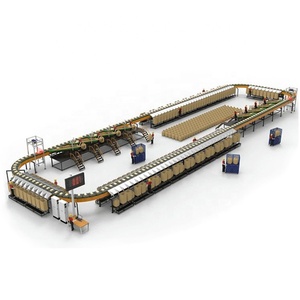
E-commerce Sort Parcel Logistic Sorting Conveyor Machine Wholesale Logistics Equipment Sorting Machine Line Conveyor
High-speed automated warehouse parcel sorting conveyor line engineered for enterprise fulfillment centers, contract logistics hubs, and cross-border e-commerce distribution nodes.
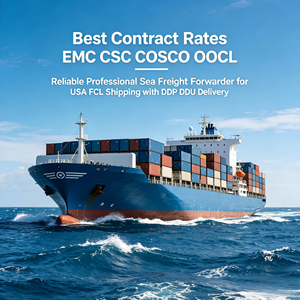
Contract Rates EMC COSCO OOCL Reliable Professional Sea Freight Forwarder for USA /CANADA LCL FCL Shipping with LCL DDU Delivery
Guaranteed ocean space allocation and contract freight rates backed by tier-1 carrier alliances (EMC, COSCO, OOCL) covering US/Canada FCL/LCL imports with final DDU/DDP delivery.
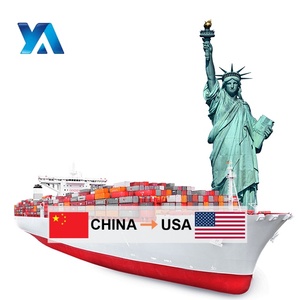
Logistics Service Provider Offering Express Service From China to the United States Fueled by the Spirit of Contract
Time-critical air and express freight solutions adhering strictly to SLA contracts, tailored for high-value industrial cargo, manufacturing components, and rapid U.S. customs entry.
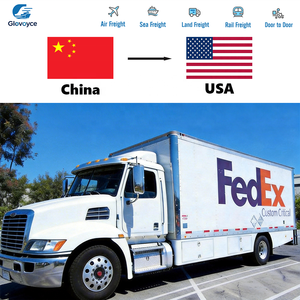
24/7 Support Express to CA Spot Rate & Contract Rate Door-to-Door DDP
Agile spot and long-term contract pricing models for Canadian transborder imports, featuring 24/7 real-time tracking, customs pre-clearance, and seamless DDP doorstep handover.
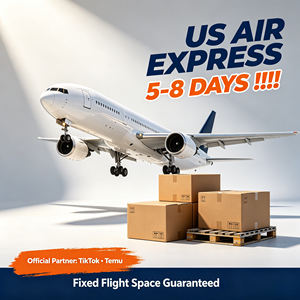
DDP/DDU Service Door To Door Transportation Shipping Agent Cargo Services Air And Sea Shipping Freight Forwarder China To USA/CA
Flexible door-to-door multi-modal transportation options (Air Express, Ocean FCL/LCL) offering full duty-paid (DDP) or duty-unpaid (DDU) logistics execution for North American trade lanes.
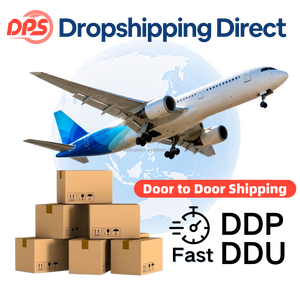
Factory Contract Dedicated Air Logistics China Weekly Consolidation Door to Door DDP Cargo Forwarder
Factory-direct consolidation programs utilizing weekly scheduled air charters and consolidated flights for guaranteed transit windows, bulk customs processing, and DDP distribution.

Shipping Agent Italy Sea Freight From China to Genoa Naples DDP Door to Door FCL LCL Cargo Forwarder Express Service
Dedicated European maritime corridors connecting major Asian export ports directly to Italian hubs (Genoa, Naples) with integrated EU customs clearance and final destination drayage.
1. Executive Summary: The Evolution of Contract Logistics in Modern Manufacturing
In an era defined by macro-economic fluctuations, nearshoring re-alignments, and stringent trade compliance standards, contract logistics has evolved from basic warehousing and freight brokerage into an integrated strategic business discipline. Enterprise manufacturers, original equipment manufacturers (OEMs), and high-volume exporters no longer view freight forwarding as a transactional commodity. Instead, contract logistics represents a continuous, multi-year strategic partnership that encompasses automated materials handling, regulatory customs brokerage, carrier contract management, and end-to-end supply chain visibility.
Top-tier contract logistics manufacturers and exporters provide a critical operational buffer for multinational corporations. By combining proprietary physical infrastructure—such as automated parcel sorting conveyor machines and customs bonded fulfillment centers—with institutional knowledge of global tariff schedules (HTS), Importer Security Filings (ISF 10+2), and CTPAT security protocols, contract logistics partners drastically compress order-to-delivery lead times while mitigating supply chain disruption risks.
- End-to-End SLA Guarantees: Transitioning from volatile spot-market arrangements to fixed Service Level Agreements (SLAs) with carrier vessel space protection (COSCO, EMC, OOCL).
- Automated Warehouse Integration: Deployment of modular parcel sorting conveyors and robotic inventory routing to achieve maximum throughput for cross-border e-commerce and retail B2B cargo.
- Regulatory Risk Immunization: Direct filing of customs entries with U.S. Customs and Border Protection (CBP) via licensed U.S. Customs Brokers to avoid liquidated damages, demurrage fees, and container holds.
2. Benchmark Evaluation Criteria for Top Contract Logistics Providers
Selecting a premier contract logistics partner requires evaluating enterprise capability across five structural pillars. Procurement directors must look beyond quoted per-container costs to assess total landed cost optimizations, regulatory compliance resilience, and infrastructure scalability.
| Evaluation Pillar | Key Operational Benchmark | Enterprise Risk Impact | Strategic Advantage |
|---|---|---|---|
| Customs Authority & Licensing | In-house Licensed U.S. Customs Brokerage & Remote Location Filing (RLF) capability. | Prevents entry rejection, incorrect HTS classification penalties, and CBP border delays. | Guarantees compliance under 19 CFR regulations with fast 24/7 entry processing. |
| Supply Chain Security | CTPAT Tier 2/Tier 3 Certification and validated supply chain security protocols. | Reduces physical border examination rates by up to 50–70% at major gateways. | Accelerates container release times at high-density ports (NY/NJ, LA/Long Beach). |
| Carrier Contract Volume | Direct BCO contract rates with Ocean Alliances (20' / 40' / 40' HC FCL & LCL). | Protects against ocean spot-market rate surges during peak shipping seasons. | Ensures guaranteed vessel space allocation even during tight global capacity windows. |
| Automated Infrastructure | Integration of high-speed parcel conveyor sorters & WMS warehouse systems. | Eliminates manual sorting errors, parcel misrouting, and labor bottlenecks. | Enables rapid cross-docking and high-velocity fulfillment for global e-commerce routes. |
| Gateway Footprint | Strategic multi-coast office infrastructure (East Coast NY/NJ & West Coast LA/CA). | Eliminates regional port congestion bottlenecks by rerouting cargo dynamically. | Provides localized container drayage fleet management and free-time monitoring. |
3. Corporate Strengths: The Cordaro Logistics & Customs Infrastructure
Rooted in over 40 years of continuous operation, Cordaro Shipping Co. embodies the operational excellence required of a global contract logistics provider. As a family-owned, licensed U.S. Customs Broker and CTPAT-certified international freight forwarder, our organization seamlessly bridges overseas manufacturing nodes with North American and European end-markets.
Direct entry filing with U.S. Customs and Border Protection. Decades of specialized experience in HTS code classification, anti-dumping duty (ADD/CVD) auditing, and complex tariff mitigation.
Validated U.S. Customs Trade Partnership Against Terrorism compliance. Cargo moving through our certified supply chain experiences reduced inspection frequencies and priority examination clearance.
Strategic office operations situated at East Coast hubs (Staten Island & Lynbrook, NY for Port of NY/NJ and JFK/EWR) and West Coast hubs (Diamond Bar, CA for Port of LA/Long Beach).
Fluent communication capabilities across English, Spanish, and Italian. Eliminates documentation misinterpretations between overseas suppliers, ocean carriers, and domestic importers.
Complete door-to-door delivery execution incorporating ocean FCL/LCL, express air freight, container port drayage, and final-mile warehouse placement under fixed contract terms.
Around-the-clock direct access to licensed human customs experts—never automated chatbots—ensuring rapid resolution of time-critical shipping delays across global time zones.
4. Future Procurement Trends in Global Contract Logistics (2026–2030)
As global trade navigates regulatory transitions, carbon accounting mandates, and supply chain digitalization, enterprise buyers must adapt their procurement strategies. Over the next five years, four structural trends will define the contract logistics manufacturing and exporting landscape:
A. Hybrid Index-Linked Contract Pricing
Traditional fixed 12-month ocean freight contracts are giving way to hybrid structure agreements. Shippers are increasingly pairing baseline contract allocations with index-linked spot adjustments (e.g., Shanghai Containerized Freight Index - SCFI benchmarks). This ensures carrier space availability during demand spikes while allowing importers to participate in market freight rate declines.
B. Hyper-Automated Sorting & Cross-Docking Hubs
The integration of automated parcel sorting conveyor systems directly into port-adjacent warehouses is drastically reducing container dwell times. High-volume exporters are leveraging warehouse conveyor automation to sort goods directly from ocean containers into regional courier dispatch lanes, cutting order cycle times by 36 to 48 hours.
C. Regulatory Duty Optimization & First-Sale Valuation
With trade tariffs remaining a significant component of total landed cost, multinational procurement teams are standardizing DDP (Delivered Duty Paid) contract logistics terms. Furthermore, importers are adopting First Sale Valuation rules—paying U.S. customs duties based on the price paid by the middleman/vendor to the factory, rather than the final selling price—yielding duty reductions of 10% to 25%.
D. ESG Compliance & Low-Carbon Freight Corridors
Enterprise ESG reporting mandates are transforming carrier selection. Contract logistics manufacturers are investing in LNG-powered ocean vessels, electric terminal drayage trucks, and energy-efficient conveyor infrastructure to provide verifiable Scope 3 emissions reporting for corporate clients.
5. Logistics Hardware Innovation: Automated Conveyor & Sortation Systems
Physical equipment innovation is just as critical as software visibility in modern contract logistics. As cross-border e-commerce volumes surge, automated warehouse sorting conveyor systems have become the backbone of efficient contract logistics export facilities.
High-speed wheel divert sorters, cross-belt conveyors, and automated barcode scanning tunnels allow modern distribution facilities to process upwards of 8,000 to 15,000 parcels per hour. When coupled with factory-contract dedicated air shipping and ocean container consolidation, these automated conveyor lines ensure zero parcel misplacement, minimal product damage, and instant tracking data updates for international consignees.
Critical operational answers curated by our licensed customs brokers and freight directors to resolve complex importing, contract rate, and regulatory clearance questions.
Optimize Your Global Supply Chain Contract Rates
Partner with a 40-year industry leader. Request our complete contract logistics rate card, equipment catalog, and U.S. customs compliance handbook today.
Get Catalog