Tailored OEM Shipping & Freight Solutions for South Africa
As a leading OEM freight manufacturer and global exporter, we provide seamless door-to-door (DDP/FCL/LCL) freight forwarding services connecting manufacturing hubs directly to South African commercial nodes including Durban, Cape Town, and Johannesburg.
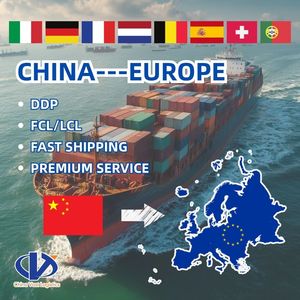
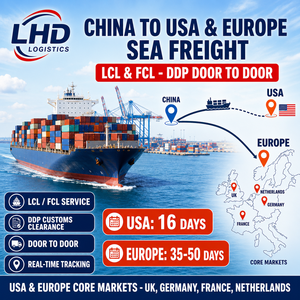
Navigating Maritime Freight & OEM Logistics in the South African Trade Corridor
South Africa serves as the undisputed gateway to Sub-Saharan commerce, positioning itself as a vital arterial hub within global supply chains. As a specialized Custom OEM Cargo Shipping Manufacturer & Exporter, our operational framework is specifically engineered to mitigate the structural complexities inherent to the South African freight landscape—including Port of Durban vessel congestion, Transnet freight rail bottlenecks, SARS (South African Revenue Service) regulatory audits, and load shedding disruptions at inland terminals.
Modern international buyers and industrial enterprises operating within South Africa require more than conventional freight forwarding. They demand end-to-end supply chain integration that guarantees predictable landed costs, regulatory compliance under the International Trade Administration Commission (ITAC), and absolute cargo integrity from origin factory floor to destination site.
Localized Application Scenarios Across Key South African Industries
Our customized OEM shipping architectures are tailored to meet the exacting standards of South Africa's diverse industrial sectors. By aligning container specifications, drayage schedules, and customs filings with local industrial ecosystems, we eliminate costly downtime and ensure seamless material throughput.
1. Automotive Manufacturing Corridor (Eastern Cape & Gauteng)
Supporting automotive OEMs in Gqeberha (Port Elizabeth), East London, and Rosslyn. We execute Just-In-Time (JIT) delivery of knock-down (CKD/SKD) vehicle kits, specialized stamping dies, and electronic harnesses. All shipments are aligned with Automotive Production and Development Programme (APDP II) tax compliance.
2. Mining & Heavy Industrial Equipment (Gauteng & Limpopo)
Transporting heavy machinery, conveyor systems, and extraction technology to the Bushveld Igneous Complex and Witwatersrand mining hubs. Utilizing Flat-Rack and Open-Top containers alongside heavy-haul drayage trucks optimized for South Africa’s national highway (N1/N3) weight limits.
3. Renewable Energy & Solar Projects (Northern Cape)
Executing end-to-end logistics for utility-scale solar PV panels, wind turbine blades, and battery energy storage systems (BESS). We coordinate direct port discharges at Coega (Kopano) and Cape Town with specialized off-grid transport directly to solar farms across Carnarvon and Upington.
4. Commercial Retail & Consumer Goods (Nationwide Nodes)
Providing consolidated LCL and high-cube FCL shipping for major South African retailers expanding their supply footprint. Integrated bonded warehouse storage in Durban allows strategic stock releases based on market demand and exchange rate fluctuations (ZAR/USD).
Emerging Trends Shaping South African Logistics & Trade
The macroeconomic climate in Southern Africa is undergoing rapid structural evolution. To maintain competitive advantage, procurement officers and supply chain executives must adapt to several critical market shifts:
AfCFTA Trade Integration
The African Continental Free Trade Area (AfCFTA) is transforming South Africa into a primary manufacturing and export staging ground for the entire continent. Our OEM packaging and shipping methods comply fully with SADC Rules of Origin, lowering tariff barriers across intra-African trade lanes.
Port Privatization & Decongestion
With Transnet introducing private terminal operators at Durban Pier 2 and Cape Town Container Terminal, ocean carriers are shifting vessel call schedules. Our agile routing algorithms dynamically shift cargo between Durban, Richards Bay, and Maputo to bypass port queues.
Load-Shedding Resilient Logistics
Inland supply chain hubs now demand off-grid operational continuity. Our contracted inland cold-storage warehouses and container depots in City Deep are equipped with industrial solar arrays and generator backups to guarantee uninterrupted cold-chain performance.
Why Global Enterprises Partner With Us for South African Freight
Building upon over four decades of international freight forwarding heritage, our company merges the precision of licensed customs brokerage with high-capacity OEM transport manufacturing. We remove the burden of logistics management through single-source accountability.
Licensed Customs & SARS Compliance
Our team includes licensed customs specialists capable of handling complex Tariff Headings (HTS), ISF filings, and SARS customs audits. We protect importers from severe penalty notices, demurrage accumulation, and shipment detentions.
CTPAT Certified Supply Chain Security
As a CTPAT validated entity, every container handled by our team adheres to worldwide supply chain safety standards. From anti-tamper bolt seals to GPS-monitored high-security transit routes, your cargo remains untampered from origin to receipt.
End-to-End Intermodal Drayage
We bridge maritime shipping with inland haulage. Operating dedicated drayage fleets near major ports, we facilitate rapid container pull-outs, avoiding costly port storage fees and guaranteeing direct delivery to remote industrial sites.
Frequently Asked Questions by South African Importers
Clear, authoritative answers to essential regulatory, operational, and financial questions regarding custom OEM shipping to South Africa.
Direct ocean freight transit times typically range between 18 to 24 days depending on origin port calls. However, factoring in Durban container terminal offloading and SARS customs clearance, total door-to-door transit to inland destinations like Johannesburg averages 28 to 34 days. Our express DDP services optimize this timeline by pre-filing customs documentation 5 days prior to vessel arrival.
Under DDP (Delivered Duty Paid) terms, our localized operational entity acts as the accountable party for paying South African Customs Duty and the standard 15% import VAT directly to SARS. This allows South African buyers to receive goods without managing local import permits, VAT deferments, or customs clearing disbursements.
Durban is ideal for heavy industrial machinery destined for Gauteng and the SADC hinterland due to direct rail/road linkages (N3 corridor). Cape Town is optimized for Western Cape agricultural and retail imports. Coega (Gqeberha) offers modern deep-water infrastructure superior for automotive parts and oversized project cargo requiring immediate highway clearance without urban congestion.
Certain capital equipment, second-hand goods, and specialized industrial commodities require an International Trade Administration Commission (ITAC) import permit before clearance can occur. Our experienced customs brokerage team reviews your HTS codes during pre-shipment planning to verify if an ITAC permit or NRCS letter of authority (LOA) is required.
We utilize satellite-tracked vehicles, real-time container door seal sensors, armed escort options for sensitive high-value cargo, and pre-vetted carrier networks along the N3 and N1 corridors. Furthermore, comprehensive marine cargo insurance options are integrated into our freight packages for end-to-end risk protection.
Streamline Your Freight Architecture in South Africa Today
Connect with our senior supply chain engineers to analyze your cargo requirements, optimize tariff compliance, and secure guaranteed vessel allocations.
Send an Inquiry