Featured Logistics & Exporters Services for Norway
Tailored FCL/LCL ocean freight, time-critical air cargo, and door-to-door DDP services designed specifically for Norwegian trade routes (Oslo, Bergen, Stavanger, Drammen).

Direct Sea Freight FCL/LCL & DDP Door-to-Door Service to Norway
- Port Gateways: Port of Oslo & Bergen
- Incoterms: DDP / DAP / FOB
- Clearance: Integrated Tollvesenet TVINN
Reliable OEM Factory DDP Sea Freight & Warehousing Fulfillment
- Automated VOEC Tax Filing
- Real-Time GPS Telematics Track
- Full 20ft / 40ft HC Allocation
Top International Maritime Freight Agent: China to Norway Corridor
- Direct North Sea Feeder Routes
- Bonded Warehousing Transfer
- Complete Duty & MVA Management
Time-Critical Air Freight & Express Cargo Dispatch to Oslo Airport (OSL)
- Transit: 48-72 Hours Airport-to-Door
- Pre-Cleared Customs Processing
- Temperature-Controlled Handling
European Mainline Transshipment & Nordic Feeder Logistics
- Rotterdam/Hamburg Hub Integration
- Breakbulk & Heavy Machinery
- Custom Packaging & Crating
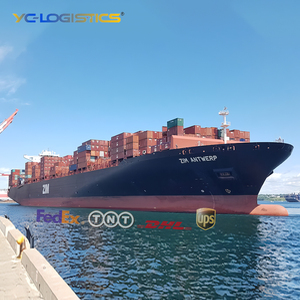
LCL Express Consolidation & Small-Batch OEM Factory Fulfillment
- Pay-per-CBM Flexible Pricing
- Weekly Direct Departure Slots
- Zero-Deconsolidation Delays
Cost-Optimized DDP Door-to-Door Maritime Shipping for Exporters
- Transparent All-Inclusive Landed Cost
- Zero Hidden Destination Fees
- Includes Norwegian Customs Duties
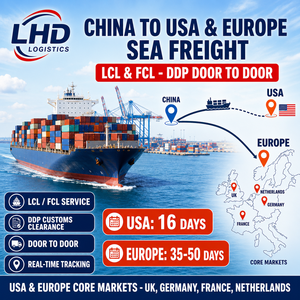
High-Capacity Container Drayage & Industrial Equipment Express
- Port-to-Factory Direct Trucking
- CTPAT Certified Supply Chain
- Extreme Winter Weather Protection
Navigating OEM Supply Chains & Fulfillment Logistics into Norway
An operational breakdown for procurement directors, OEM manufacturers, and Nordic importers expanding cross-border commerce.
As Norway expands its industrial footprint across green technology, offshore marine engineering, electric vehicle (EV) infrastructure, and high-density e-commerce, the requirement for highly reliable, compliant, and cost-effective Custom OEM Fulfillment Logistics has reached an all-time high. Importing manufactured goods and raw components into Norway presents a unique operational landscape. Although Norway is deeply integrated into the European Single Market via the European Economic Area (EEA) agreement, it remains outside the EU Customs Union. Consequently, all shipments bound for Norwegian ports—such as Sjursøya in Oslo, Risavika in Stavanger, or the Port of Bergen—must clear independent customs procedures enforced by the Norwegian Customs Authority (Tollvesenet).
1. The Regulatory Framework: Tollvesenet, TVINN, & VOEC Integration
Achieving zero-delay logistics into the Norwegian market requires mastery over the local electronic customs clearance interface known as TVINN (Tollvesenets Informasjonssystem med Næringslivet). As an experienced international freight forwarder and U.S. Licensed Customs Broker with over 40 years of global supply chain history, Cordaro Shipping Co. synchronizes factory-floor manufacturing dispatches directly with Norwegian import regulations.
For B2B OEM exporters and B2C fulfillment operators alike, understanding the VOEC (VAT on E-Commerce) scheme and standard 25% Norwegian MVA (Merverdiavgift / Value Added Tax) structure is crucial. Under standard Incoterms 2020 DDP (Delivered Duty Paid) arrangements, the freight forwarder and exporting factory assume full responsibility for filing entry declarations, calculating exact HTS (Harmonized Tariff Schedule) duty classifications, and managing preliminary MVA disbursements. Failure to properly submit advance digital declarations through TVINN can result in severe port demurrage, physical inspection holds at feeder terminals in Hamburg or Bremerhaven, and steep financial penalties.
2. Maritime & Air Freight Route Architecture for Nordic Import Corridors
Optimizing transit times and landed costs for Norwegian destinations requires a dual-hub transshipment and direct feeder strategy:
- Ocean Freight Full Container Load (FCL): Deep-sea container vessels originating from major Asian manufacturing hubs (Ningbo, Shanghai, Shenzhen) traverse the Suez Canal to primary European container hubs such as Rotterdam, Antwerp, or Hamburg. From there, dedicated ice-class feeder container vessels transport cargo directly into the Oslofjord (Port of Oslo) or along the western Norwegian coast to Bergen and Kristiansand. Average ocean transit time ranges from 32 to 38 days.
- Less Than Container Load (LCL) Consolidation: For OEM factories dispatching smaller, modular component batches, LCL consolidation consolidates multiple shipments into single 40ft High Cube containers. Cargo is deconsolidated at bonded warehouses in Moss or Drammen, preventing unnecessary delays and minimizing warehousing overhead for Norwegian buyers.
- Time-Critical Air Freight Express: For urgent spare parts, marine offshore repair items, or critical high-value electronics, direct and indirect air routes land at Gardermoen (Oslo Airport - OSL). By executing pre-arrival electronic customs clearance while the aircraft is in transit, cargo can be released and transferred to domestic drayage within 4 to 6 hours of touchdown.
3. Incoterms 2020: Mitigating Financial Risk for OEM Exporters
Selecting the optimal Incoterm directly dictates risk allocation and budgetary control. While FOB (Free on Board) transfers risk once goods are loaded onto the vessel at the port of origin, it places the burden of complex Norwegian import clearance entirely on the local buyer. Conversely, adopting DDP (Delivered Duty Paid) powered by an experienced global logistics provider guarantees that the buyer receives goods directly at their warehouse door in Oslo, Drammen, or Trondheim with all freight, insurance, customs tariffs, and local drayage fees fully accounted for upfront. This turnkey approach provides Norwegian enterprise buyers with complete cost certainty.
| Transport Mode | Primary Gateway | Avg Transit Time | Tollvesenet Clearance | Optimal Cargo Application |
|---|---|---|---|---|
| Ocean FCL (20'/40' HC) | Port of Oslo (Sjursøya) | 32 - 38 Days | Pre-Lodged via TVINN | High-Volume OEM Manufacturing & Heavy Machinery |
| Ocean LCL Consolidated | Port of Drammen / Moss Hub | 35 - 40 Days | Bonded Warehouse Clearance | Mid-Scale Spare Parts & Retail Replenishment |
| Express Air Freight | Oslo Gardermoen (OSL) | 3 - 5 Days | Pre-Arrival Express Release | Urgent Maritime/Offshore Spares & High-Value Tech |
| Nordic Rail + Drayage | Gothenburg Corridor to Oslo | 28 - 34 Days | Cross-Border Transit Bond | Intermodal Trans-Scandinavian Overland Delivery |
Serving Norway’s Core Industrial & Commercial Sectors
Our specialized OEM fulfillment frameworks are designed around the rigorous environmental and technical demands of the Norwegian economy.
EV & Automotive OEM Components
Norway leads the world in EV adoption. We provide climate-controlled container shipping, shock-buffered drayage, and hazmat handling for lithium-ion battery modules, charging station sub-assemblies, and specialized automotive spare parts destined for Nordic assembly plants.
Offshore Maritime & Subsea Engineering
Supplying Stavanger and Bergen's maritime clusters requires rapid-response logistics. We handle heavy-lift project cargo, oversized subsea valves, and marine propulsion components with certified CTPAT security protocols and specialized low-boy drayage.
Renewable Energy & Hydroelectric Infrastructure
Supporting Norway’s clean energy sector with door-to-door transport of wind turbine electrical control panels, solar inverter enclosures, and hydroelectric turbine hardware. Complete on-site crane offloading coordination included.
Cross-Border E-Commerce & Retail Fulfillment
Seamless integration with Norwegian e-commerce operations. We manage bulk ocean shipment imports into regional distribution hubs near Oslo, enabling rapid final-mile parcel delivery across Norway via Posten Bring and Bring Express networks.
High-Tech Industrial Electronics
Precision microelectronics, industrial automation PLCs, and telecommunications hardware transported under strict humidity and anti-static controls. Complete clearance under specific Norwegian duty-exemption categories.
Consumer Goods & Smart Appliances
End-to-end OEM packaging, palletization, and sea-air multimodal dispatch for household appliances and smart home tech, meeting Norwegian CE marking and environmental compliance standards.
Enterprise Competencies & Strategic Advantages
Four decades of operational integrity, CTPAT security validation, and dedicated multilingual support for international supply chains.
CTPAT Certified & Licensed Brokerage
As a validated CTPAT partner and licensed customs brokerage firm with 40+ years of pedigree, we ensure your supply chain meets the highest standards of physical and procedural security, preventing security holds and inspection delays.
Multilingual Logistics Support
Communication failures break supply chains. Our team communicates fluently in English, Spanish, and Italian, seamlessly bridging communication gaps between Asian manufacturing plants, European carrier operations, and Norwegian receivers.
Strategic East & West Coast US Gateways
With primary operations in Staten Island and Lynbrook, NY, alongside West Coast hubs in Diamond Bar, CA, we manage complex multi-leg transatlantic and transpacific trade paths with complete operational redundancy.
Frequently Asked Questions for Norwegian Import Logistics
Detailed answers regarding customs compliance, Incoterms, VOEC requirements, and maritime route dynamics for Norway-bound cargo.
What are the mandatory documentation requirements for clearing OEM cargo through Tollvesenet?
To clear commercial goods into Norway, your freight forwarder must present a fully compliant Commercial Invoice (stating exact HTS codes, unit values, currency, and country of origin), an itemized Packing List, a Master Bill of Lading (ocean) or Air Waybill (air), and a digital TVINN declaration. If importing specialized items such as electronics or EV batteries, CE compliance certificates and Material Safety Data Sheets (MSDS) are also required.
How is the 25% Norwegian MVA (VAT) calculated and collected on DDP shipments?
Norwegian MVA (Merverdiavgift) is assessed at a standard rate of 25% on the total landed cost of the shipment. Landed cost equals: [Customs Value of Goods] + [International Freight Charges] + [Insurance Premium] + [Applicable Import Duties]. Under DDP Incoterms, Cordaro Shipping calculates and prepays this fee directly to Tollvesenet on behalf of the exporter, guaranteeing the buyer receives clean, fully cleared cargo without unexpected local tax invoices.
What is the VOEC scheme, and how does it affect B2C e-commerce fulfillment into Norway?
The VOEC (VAT on E-Commerce) scheme requires foreign e-commerce suppliers selling low-value goods (under NOK 3,000 per item) directly to Norwegian consumers to register and collect Norwegian VAT at the point of sale. Our logistics system embeds the supplier's unique VOEC identification number into the digital shipping manifest, ensuring parcels bypass manual customs stops at Oslo airport and reach end consumers without delays.
What is the difference between direct feeder routes to Oslo vs transshipment through Gothenburg?
Direct ocean feeder routes carry containers directly from major European transshipment hubs (Hamburg, Bremerhaven, Rotterdam) into Norwegian ports such as Oslo, Larvik, or Kristiansand. Alternatively, cargo can be discharged at Gothenburg, Sweden, and moved via cross-border bonded rail or truck drayage into southern Norway. Gothenburg transshipment often offers faster ocean transit times, but requires an additional T1 transit document to cross the Swedish-Norwegian border seamlessly.
How do winter weather conditions in the North Sea impact ocean container transit times to Norway?
Severe North Sea winter weather (November through March) can cause schedule disruptions and feeder vessel port delays ranging from 48 to 96 hours. We mitigate these risks by booking high-capacity ice-class feeder operators, securing priority port allocation at Sjursøya Terminal in Oslo, and utilizing heavy-duty thermal container liners to protect temperature-sensitive components against extreme freezing.
Should an OEM factory choose FCL or LCL for shipping components to Norwegian buyers?
Full Container Load (FCL) is the most economical choice for cargo volumes exceeding 15 to 20 CBM or weighing over 10 metric tons, providing faster transit times and zero risk of co-loader contamination. Less than Container Load (LCL) is ideal for smaller, high-frequency component batches (1 to 14 CBM), allowing exporters to pay exclusively for the space occupied while maintaining consistent delivery schedules.
Streamline Your OEM Logistics & Shipping to Norway
Partner with an experienced international freight forwarder and U.S. Licensed Customs Broker with over 40 years of global supply chain expertise. Contact our engineering team today for custom route quotes, landed cost calculations, and VOEC clearance support.
Get Catalog