Verified Ocean & Air Freight Solutions for Brazil Exports
High-reliability FCL, LCL, and DDP shipping lines directly serving Santos, Paranaguá, Rio de Janeiro, Itajaí, and Manaus Free Trade Zone.
Shipping Agent Sea Freight From China to Brazil (Santos/Paranaguá) DDP Door to Door FCL LCL Cargo Forwarder
Reliable DDP Sea Freight Forwarder From China to Brazil & Worldwide | FCL Door-to-Door Logistics Agent
Top Sea Freight Forwarder Agent Shipping DDP Door to Door Transport Maritime to Brazil Major Commercial Ports
Fast Delivery Logistics Forwarder 24-Hour Track Ocean Sea Freight Forwarder Agent From China to Brazil
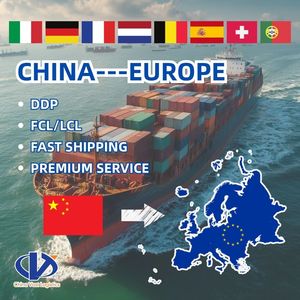
Professional Freight Forwarder Sea International Shipping Company to Brazil FCL LCL Cheaper Ocean Freight
LCL Express DDP Ocean Shipping Agent China to Brazil & South America Sea Freight Forwarder Logistics Service
Cheapest DDP Door to Door Services Sea Shipping Agent Freight Forwarder From China to Brazil (SP/RJ/PR)
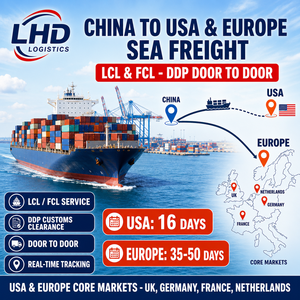
Best Competitive Fast Door to Door Ocean Shipping Agent DDP Delivery Freight Forwarder by Sea to Brazil Market
Localized Logistics Scenarios Across Key Brazilian Economic Zones
Tailored supply chain management addressing regional regulations, fiscal frameworks, and multimodal drayage requirements.
Automotive & Heavy Industrial (São Paulo / ABC Region)
Precision just-in-time (JIT) containerized shipping for auto parts, raw metals, and industrial machinery destined for Greater São Paulo and Campinas manufacturing hubs.
- Bonded warehousing near Port of Santos
- Specialized heavy-lift & flat-rack ocean containers
- ICMS tax deferred entry handling
High-Tech & Electronics (Manaus Free Trade Zone - ZFM)
Specialized logistics lines taking advantage of Amazonian tax incentives. Direct feeder vessels and river barge connections for component transshipment to Manaus.
- ZFM tariff exemptions (PIS/COFINS & IPI relief)
- End-to-end climate-controlled air & sea transport
- SUFRAMA registration audit assistance
Agribusiness & Chemical Inputs (Paraná & Southern Grid)
Bulk and containerized transport for agricultural hardware, fertilizer precursors, and crop-protection chemicals via the Port of Paranaguá and Rio Grande corridors.
- MAPA (Ministry of Agriculture) regulatory clearance
- Flexitank & ISO tank bulk liquid transport
- Intermodal rail-to-truck drayage networks
Navigating Brazilian Trade Corridors: Regulatory Trends & Operational Mechanics
Importing goods into Brazil presents unique logistics challenges characterized by complex fiscal legislation, rigid customs clearance frameworks, and regional infrastructure dynamics. As international manufacturers and exporters expand their footprint in South America's largest economy, achieving Information Gain regarding local compliance and port operations is paramount to minimizing landed costs and avoiding costly port delays.
1. Tax Reform (Reform Tributária) & IBS/CBS Unification
Brazil's historical tax system—comprising PIS, COFINS, IPI, ICMS, and ISS—is transitioning toward a dual VAT model (IBS and CBS). Exporters and importers must align their DDP and DAP pricing structures to account for shifting tax credit calculations under the Novo Sistema Tributário.
2. Modernization of the Portal Único SISCOMEX
The Receita Federal do Brasil (RFB) continues to expand the DUIMP (Declaração Única de Importação), streamlining import entry processes. Automated risk management algorithms now favor CTPAT and Authorized Economic Operator (AEO/OEA) certified logistics partners for rapid green-channel customs clearance.
3. Port Infrastructure Upgrades at Santos & Paranaguá
With major private concessions under the Novo PAC (Programa de Aceleração do Crescimento), berth expansions, automated gate systems, and expanded terminal yard capacity are mitigating traditional demurrage bottlenecks at Santos, Paranaguá, and Navegantes.
4. Strategic Growth of Nearshoring & E-Commerce Corridors
Cross-border e-commerce and industrial machinery imports have surging reliance on expedited LCL door-to-door lines, air freight charters to Viracopos (VCP) and Guarulhos (GRU), and last-mile fulfillment hubs throughout the Southeast region.
Why Global Exporters Trust Our Brazil Logistics Desk
Combining 40+ years of licensed U.S. and international freight forwarding mastery with specialized South American trade lane execution.
Licensed Customs Brokerage
In-house licensed customs specialists executing seamless entries, correct NCM/HTS tariff classification, and proactive compliance to prevent RFB holds.
CTPAT Certified Supply Security
Fully validated supply chain security under CTPAT guidelines, giving buyers and overseas suppliers higher trust, priority handling, and minimal physical inspection rates.
Coast-to-Coast Gateway Access
Strategically positioned hub infrastructure across East and West Coast gateways (New York / Los Angeles / Miami corridors) synchronized directly with South American liner routes.
Multilingual Logistics Support
Fluency in English, Spanish, Portuguese, and Italian ensures direct, error-free communication with foreign manufacturers, local Brazilian consignees, and terminal operators.
End-to-End Drayage & Tracking
Dedicated container drayage fleet connections ensuring rapid port-to-warehouse transport, free-time monitoring, and total visibility over demurrage avoidance.
40+ Years Family-Run Integrity
Decades of hands-on accountability, combining institutional logistics scale with personalized account management that prioritizes your cargo's bottom line.
Frequently Asked Questions: Brazil Logistics & Customs Procurement
Essential answers for foreign exporters, procurement managers, and Brazilian importers navigating cross-border supply chains.
What is RADAR license registration and why is it mandatory for importing into Brazil?
RADAR (Ambiente de Registro e Rastreamento de Atuação dos Intervenientes Aduaneiros) is an electronic authorization issued by Receita Federal enabling Brazilian corporate entities to operate in foreign trade via SISCOMEX. Without an active RADAR license (Limited or Unlimited tier), a Brazilian consignee cannot clear commercial shipments regardless of shipping terms.
How does NCM tariff classification affect import duties and taxes in Brazil?
Brazil utilizes the NCM (Nomenclatura Comum do Mercosul) system, aligned with global Harmonized System (HS) codes. The correct 8-digit NCM determines the applicable Import Duty (II), Industrial Products Tax (IPI), PIS/COFINS-Importação, and regional ICMS tax rates, as well as whether special licenses from MAPA, Anvisa, or Inmetro are required.
What is the difference between FCL and LCL ocean shipping to Brazilian ports?
Full Container Load (FCL) reserves dedicated 20', 40', or 40' HC containers, providing faster transit and reduced handling risks for high-volume shipments to Santos or Paranaguá. Less than Container Load (LCL) consolidates cargo from multiple shippers, letting smaller exporters pay exclusively for consumed volume (CBM) while utilizing our destination deconsolidation hubs.
Can DDP (Delivered Duty Paid) terms be seamlessly executed for Brazil imports?
DDP shipping into Brazil requires an experienced freight forwarder with established local import-of-record capability or a cooperative importer of record, as Brazilian fiscal law requires local payment of ICMS and federal import tariffs via SISCOMEX. Our specialized DDP program coordinates pre-paid tax calculations and compliant entry clearance.
How can exporters avoid high demurrage and storage costs at Brazilian maritime terminals?
Demurrage fees accumulate quickly at Brazilian ports due to strict terminal free-time windows. Exporters can prevent charges by submitting accurate commercial invoices, packing lists, and original Bills of Lading (B/L) prior to vessel arrival, ensuring immediate DUIMP filing and rapid drayage dispatch post-clearing.
What documentation is required by Receita Federal for standard customs release?
Essential documentation includes the Commercial Invoice (signed in blue ink or digitally authenticated), detailed Packing List, Bill of Lading (ocean B/L or Air Waybill AWB), Certificate of Origin (where Mercosur preferential tariffs apply), and any required regulatory import licenses (LI - Licença de Importação).
Optimize Your Supply Chain to Brazil Today
Partner with a licensed freight forwarder and customs brokerage expert backed by over 40 years of international trade leadership. Get competitive rates for FCL, LCL, Air Freight, and DDP solutions.