Specialized Ocean Freight Services for Luxembourg Importers
Seamless maritime logistics connecting global manufacturing hubs in Asia, North America, and Southern Europe to Luxembourg via primary North Sea and Southern European seaports.
Italy & South Europe Ocean Express: China to Genoa/Naples DDP
- Transit via Mediterranean Gateways
- Full DDP & Bonded Rail Connectivity
- Optimized for Southern Luxembourg Delivery
Reliable Global Ocean DDP Freight Forwarder for Amazon FBA & B2B
- FCL & LCL Consolidation
- Direct Door-to-Door Warehouse Delivery
- Automated Customs Clearance (ADA)
International Maritime Shipping DDP Door-to-Door Trade Corridor
- Multi-Carrier Freight Contracting
- Antwerp & Rotterdam Hub Processing
- Complete Inland Freight Duty Paid
High-Velocity Ocean Freight Transitaire with 24/7 Container Tracking
- Real-Time GPS & Sensor Telematics
- Expedited Port-to-Rail Handovers
- Guaranteed Berth Space Contracts
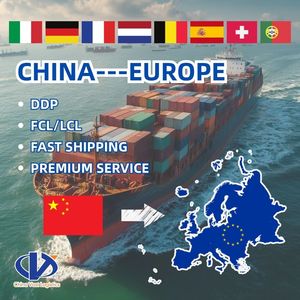
Professional Ocean Freight Forwarder to Europe & Luxembourg FCL/LCL
- Competitive Ocean Rate Quotation
- Flexible Inland Barge & Drayage
- Zero-Demurrage Buffer Management
Express LCL Consolidation DDP Ocean Logistics Service to Luxembourg
- Weekly De-Consolidation at Port Hubs
- Pay Only for Cubic Volume Used
- Complete Customs Brokerage Filing
Cost-Optimized DDP Door-to-Door Ocean Transport to Bettembourg Hub
- Integrated Customs Duty & Import VAT
- Final-Mile Trucking to Facilities
- Transparent Landed Cost Pricing
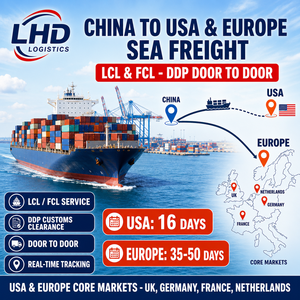
High-Efficiency Sea Freight & Customs Agent for Benelux Market
- Fast Transit Priority Loading
- Dedicated Account Management
- CTPAT & AEO Security Compliant
1. The Strategic Dynamics of Ocean Shipping for Landlocked Luxembourg
As a key economic powerhouse nestled in Western Europe, the Grand Duchy of Luxembourg maintains one of the highest per-capita GDPs globally and serves as a crucial hub for European corporate headquarters, advanced automotive manufacturing, high-tech engineering, and logistics platforms such as Amazon EU. However, due to its landlocked geography, maritime shipping factories and overseas suppliers supplying the Luxembourg market must master intermodal port-to-inland connectivity.
Ocean freight intended for Luxembourg typically arrives via Northern Europe's primary deep-water container terminals—most notably the Port of Antwerp-Bruges (Belgium) and the Port of Rotterdam (Netherlands)—or through Southern European gateways such as Genoa (Italy) and Marseille-Fos (France). From these maritime ocean ports, containerized cargo undergoes rapid transit to Luxembourg’s primary intermodal hubs: the Intermodal Terminal of Bettembourg-Dudelange and the Inland Port of Mertert along the Moselle River.
Primary Intermodal Corridors Connecting Maritime Hubs to Luxembourg
Overseas factories and suppliers must evaluate three main multimodal routes when transporting goods from global manufacturing origin ports (such as Shanghai, Ningbo, Shenzhen, Hamburg, or New York) into Luxembourg industrial zones:
| Maritime Port Gateway | Primary Transport Mode | Destination Hub in Luxembourg | Average Transit Time | Best Suited Cargo Type |
|---|---|---|---|---|
| Port of Antwerp-Bruges | Direct Rail / Road Drayage | Bettembourg Intermodal Terminal | 24 - 36 Hours from Berth | High-value automotive parts, machinery, retail goods |
| Port of Rotterdam | Barge via Rhine/Moselle & Rail | Port of Mertert (Waterway) | 48 - 72 Hours from Berth | Bulk industrial materials, heavy machinery, steel coils |
| Port of Genoa / Marseille | Intermodal Express Rail | Dudelange Industrial Zone | 36 - 48 Hours from Berth | Goods originating from Mediterranean / Asia via Suez |
Localized Application Scenarios across Luxembourg Industries
How international ocean freight and factory suppliers power Luxembourg's core economic sectors with precision-timed DDP delivery and specialized cargo handling.
Automotive Component & Mobility Supply Chains
Luxembourg hosts world-class automotive component innovators (concentrated around Esch-sur-Alzette, Differdange, and Wiltz). Suppliers overseas utilize FCL (Full Container Load) ocean freight with bonded drayage straight to just-in-time (JIT) assembly lines, ensuring zero disruption to production schedules.
High-Tech Electronics & E-Commerce Fulfillment
With Amazon’s European headquarters located in Luxembourg City and massive distribution hubs in Contern, international electronics suppliers rely on LCL express and air/ocean hybrid solutions. Pre-filed ISF/customs entries allow immediate release upon seaport discharge for onward transport.
Steel Manufacturing & Industrial Equipment
As home to global steel leaders like ArcelorMittal, Luxembourg imports raw refractories, specialized alloys, and heavy industrial machinery via breakbulk and heavy-lift ocean shipping through Rotterdam and the Port of Mertert's barge cranes.
Green Energy Technologies & Solar Logistics
Supporting Luxembourg's strict ESG sustainability mandates, overseas photovoltaic (PV) module and battery energy storage system (BESS) manufacturers utilize certified CTPAT/AEO supply chain corridors to ensure safe, compliant transport to solar installations.
2. Strategic Localized Trends Shaping Maritime Logistics in Luxembourg
Logistics professionals and enterprise procurement managers in Luxembourg operate within a rapidly changing regulatory and environmental landscape. Staying competitive requires understanding four pivotal market developments:
A. EU Carbon Border Adjustment Mechanism (CBAM) Compliance
With the full implementation of the European Union’s CBAM, Luxembourgish importers of steel, aluminum, fertilizers, and electricity must accurately report the embedded direct and indirect carbon emissions of goods imported via maritime freight. Overseas suppliers must work alongside certified freight forwarders to provide precise carbon accounting data attached to commercial shipping documentation.
B. Shift Toward Green Multimodal Corridors
Luxembourg is pioneering low-emission European logistics. Rather than relying exclusively on long-haul diesel trucking from Northern European seaports, over 65% of ocean containers bound for Bettembourg are now moved via electrified intermodal rail networks or low-emission inland waterways, drastically lowering the corporate Scope 3 emissions for Luxembourg buyers.
C. Digitalization of Customs & Fiscal Representation (Article 60)
Luxembourg allows non-resident companies and international suppliers to utilize Fiscal Representation under Article 60 of the Luxembourg VAT Law. This mechanism allows import VAT to be deferred, avoiding upfront cash-flow burdens when importing ocean containers through Belgian or Dutch seaports destined for final consumption in Luxembourg or redistribution across the EU.
Our Enterprise Advantages for the Luxembourg Trade Corridor
Combining 40+ years of international freight forwarding, licensed customs brokerage, and hands-on inland drayage management.
CTPAT & AEO Certified Security
Fully validated supply chain security standards ensure your containerized freight receives priority clearance with reduced physical inspections at ocean gateways and inland customs borders.
End-to-End DDP Transparency
We calculate all ocean freight charges, port terminal handling (THC), customs duties, and inland drayage upfront. No hidden surcharges, zero surprise invoices for your Luxembourg buyers.
24/7 Multilingual Operational Desk
Our dedicated logistics professionals communicate fluently in English, French, German, and Italian, bridging documentation gaps between Asian suppliers, ocean carriers, and Luxembourg authorities.
Frequently Asked Questions by Luxembourg Importers & Overseas Suppliers
Key technical insights addressing customs rules, transit logistics, and operational requirements for shipping into Luxembourg.
How does ocean freight reach landlocked Luxembourg efficiently?
What customs documentation is required for importing into Luxembourg?
What is the difference between shipping DDP vs. DAP to Luxembourg?
How can importers manage import VAT when shipping through European ocean ports?
Why choose LCL consolidation over FCL for smaller shipments to Luxembourg?
Streamline Your Maritime Logistics to Luxembourg Today
Connect with our senior ocean freight specialists and licensed customs brokers to optimize your trade route from global factories straight to your Luxembourg facility.
Inquire Now