Featured Ocean Freight & Export Solutions
Verified ocean shipping services catering to Turkish manufacturers, overseas buyers, and trans-Mediterranean trade networks.

Italy & South Europe Ocean Export Freight Forwarder
Direct containerized sea freight from Turkish hub ports (Ambarlı, Gemlik) to Genoa, Naples, and Marseille with seamless customs brokerage.
- Full Door-to-Door DDP / DDU Coverage
- Weekly Short-Sea Feeder Consolidations
Global Multi-Modal DDP Sea Freight Logistics Solution
End-to-end ocean export transport for high-density consumer goods and textiles directly to global fulfillment centers and Amazon FBA nodes.
- Pre-paid Duty & Automated Tax Clearing
- Palletization & Warehousing Integration
Trans-Atlantic Ocean Export Service to US & North Europe
Premium ocean freight routing from Izmir and Mersin ports connecting Turkish industrial clusters to USA, UK, Canada, and Germany.
- Strict ISF 10+2 Filing Compliance
- 20ft / 40ft High Cube Container Options
Priority Ocean Express & Telematics Tracking Freight
Time-sensitive sea freight dispatch with real-time GPS container tracking for time-critical automotive parts and industrial machinery exports.
- 24/7 Digital Cargo Visibility
- Guaranteed Space Allotment on All Lines
Intra-Europe Short-Sea & Ro-Ro Ocean Freight Solution
Specialized short-sea ocean transport linking Turkish manufacturing zones directly to French, Spanish, and Central European discharge hubs.
- A.TR & EUR.1 Certificate Handling
- Competitive Volume Rates for Heavy Cargo
LCL Groupage & Buyer's Multi-Vendor Consolidation
Economical Less-than-Container Load (LCL) solutions designed for mid-sized buyers sourcing from multiple factories across Gebze, Bursa, and Istanbul.
- Free CFS Storage for Up to 14 Days
- Customized De-consolidation Services
Industrial Heavy Equipment & Project Cargo Ocean Freight
Tailored Breakbulk, Flat-Rack, and Open-Top container export services for Turkish steel structural products and industrial machinery manufacturers.
- Heavy Lift & OOG Port Handling
- End-to-End Marine Cargo Insurance
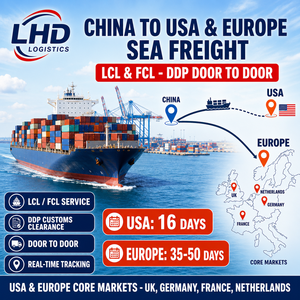
Turnkey Ocean Export Freight & Customs Clearance Contract
Complete managed export logistics framework integrating factory pick-up, port drayage, ocean transit, and customs clearing at global ports of entry.
- Dedicated Single-Point Account Management
- CTPAT & Authorized Economic Operator Security
Executive Summary: Turkey as the Global Ocean Export & Manufacturing Powerhouse
In the evolving paradigm of global trade, Republic of Türkiye has established itself as an indispensable maritime export bridge connecting Europe, the Middle East, Central Asia, and the Americas. Strategically anchored between the Mediterranean, Aegean, Marmara, and Black Seas, Turkey’s maritime infrastructure supports billions of dollars in industrial manufacturing exports. From high-grade automotive sub-assemblies in Bursa and industrial machinery in Gebze to premium textiles in Istanbul and natural stone in Afyon, Turkish manufacturers demand high-reliability ocean export shipping solutions tailored to complex global supply chains.
Understanding the operational capabilities of top ocean shipping agents and freight forwarders operating within Turkish ports—such as Port of Ambarlı (Istanbul), Port of Mersin, Port of Gemlik (Bursa), Port of Aliağa (İzmir), and Kocaeli Port Complex—is critical for international procurement managers, supply chain directors, and export factories seeking to optimize landed costs, shorten transit windows, and eliminate customs clearance friction.
Nearshoring Advantage
Transit times of 3–7 days to Southern Europe and 12–16 days to the US East Coast offer unprecedented agility over East Asian routes.
Multimodal Synergy
Integrated intermodal networks combining container drayage, short-sea feeder vessels, and direct rail link terminals.
Preferential Tariff Access
EU Customs Union alignment (A.TR Movement Certificate) and pan-Euro-Med rules of origin minimize global duty exposure.
Comparative Evaluation: Top 10 Ocean Export Shipping Solutions & Freight Infrastructure in Turkey
Navigating the ocean export ecosystem in Turkey requires a granular understanding of carrier networks, equipment availability (FCL 20ft/40ft/40ft HC, Open Top, Flat Rack, Reefer), and local customs brokerage capabilities. Below is an authoritative comparative matrix evaluating the premier ocean shipping methodologies serving Turkish manufacturing exporters and foreign buyers:
| Ocean Solution Category | Primary Gateway Ports | Target Cargo Verticals | Average Transit (EU/USA) | Customs Risk Level |
|---|---|---|---|---|
| Full Container Load (FCL) Priority | Ambarlı, Gemlik, Aliağa | Automotive, Machinery, Ceramics | 3-5 Days (EU) / 14-18 Days (US) | Low (Direct Container Seal) |
| LCL Consolidation Groupage | Ambarlı, Mersin | Textiles, Apparel, Hardware | 5-8 Days (EU) / 18-22 Days (US) | Medium (Multi-Vendor Invoices) |
| Temperature-Controlled Reefer | Mersin, İzmir, Antalya | Fresh Produce, Pharmaceuticals | 2-4 Days (Med) / 12-15 Days (US) | High (Phytosanitary Checks) |
| Ro-Ro & Intermodal Short-Sea | Pendik, Çeşme, Yalova | Commercial Vehicles, Trailers | 2-4 Days (Italy/France) | Low (Fast-track Border Protocol) |
| Breakbulk & Heavy Lift OOG | Kocaeli, Derince, Iskenderun | Steel Coils, Heavy Machinery | Project-based Vessel Charter | Medium (Physical Port Inspection) |
SEO Information Gain Insight: While traditional freight forwarders treat Turkey as a standard transit stop, advanced logistics providers utilize integrated pre-clearance mechanisms. By initiating ISF 10+2 filings for US destination ports and A.TR certification for European ports at the moment of factory dispatch in Gebze or Bursa, export transit delays can be reduced by up to 48 hours.
Localized Application Scenarios Across Turkish Industrial Clusters
To achieve optimal efficiency, ocean shipping export solutions must be calibrated to the specific geographical and industrial nuances of Turkish manufacturing zones:
1. Automotive & OEM Components Cluster (Bursa & Marmara Region)
Bursa serves as the epicenter of Turkey’s automotive manufacturing. Factories exporting sub-assemblies, stamped body parts, and tires to European and American assembly plants utilize high-frequency FCL services via the Port of Gemlik. Transit timelines are strict; ocean solutions must integrate just-in-time (JIT) container drayage with carrier space guarantees to eliminate assembly line stoppages overseas.
2. Industrial Machinery, Chemical & Heavy Steel Sector (Gebze & Kocaeli)
The heavy industrial corridor of Gebze, Dilovası, and Kocaeli generates specialized out-of-gauge (OOG) machinery, heavy steel coils, and raw chemical compounds. Logistics solutions here require specialized Open Top or Flat Rack containers, ISO Tanks, and certified heavy-lift terminal handling at Evyap Port or Yılport. Ocean export forwarders must possess structural rigging experience and marine survey oversight.
3. Textiles, Ready-to-Wear Apparel & E-Commerce (Istanbul & Denizli)
As a global fashion manufacturing powerhouse, Turkey exports vast quantities of garments. Exporters in Istanbul and Aegean centers require agile LCL consolidation hubs located near Ambarlı Port. Integrated DDP services—enabling direct fulfillment to European retail networks and North American warehouses—are imperative to maintain high turnover rates without exposing buyers to unexpected duty tariffs.
4. Natural Stone, Marble & Ceramic Exports (Afyon, Denizli & Izmir)
Turkey accounts for a major share of the global marble and natural stone trade. Heavy block marble and cut tiles originating from Afyonkarahisar and Aegean quarries are exported via Port of Aliağa and İzmir Port. Ocean solutions demand heavy-weight container permits, specialized timber dunnage securing, and moisture-control sea freight packaging to prevent structural cracking or staining in transit.
Localized Development Trends Reshaping Turkish Ocean Logistics
The Turkish ocean export matrix is undergoing rapid modernization driven by strategic geopolitical shifts, digital infrastructure upgrades, and environmental mandates:
- The Middle Corridor (Trans-Caspian Synergy): Turkey’s strategic positioning along the Silk Road Middle Corridor has turned Turkish maritime ports into primary sea-rail transshipment hubs for goods moving between Asia, Central Asia, and Europe.
- EU Green Deal & CBAM Alignment: With Europe enforcing the Carbon Border Adjustment Mechanism (CBAM), Turkish factories and maritime carriers are transitioning toward low-emission short-sea container vessels and electrified port drayage fleets to reduce Scope 3 transport emissions.
- Port Automation & Terminal Expansion: Major port operators in Turkey (such as Kumport, Asyaport, and Safiport) have deployed automated terminal operating systems (TOS) and high-speed quay cranes, reducing container vessel dwell times from 36 hours down to under 18 hours.
- Expansion of DDP & Turnkey Door-to-Door Model: Global importers increasingly demand Delivered Duty Paid (DDP) terms when purchasing from Turkish factories to shift customs liability, ISF filing duties, and local port clearance risks onto experienced international freight forwarders.
Enterprise Expertise & Cordaro Shipping Supply Chain Authority
Combining over 40 years of licensed U.S. customs brokerage heritage with CTPAT-certified security compliance, dual-coast U.S. gateways (NY/NJ & LA/Long Beach), and multilingual teams fluent in English, Spanish, and Italian to streamline your Turkish ocean exports worldwide.
Frequently Asked Questions: Purchasing & Ocean Logistics in Turkey
Expert answers to critical legal, operational, and tariff questions faced by overseas buyers and export managers shipping from Turkey.
What is the difference between DDP, FOB, and CIF terms when importing from Turkish factories?
Under FOB (Free on Board), the buyer assumes responsibility for ocean freight, marine insurance, and import customs once the Turkish factory loads the container at ports like Ambarlı or Gemlik. Under CIF (Cost, Insurance, and Freight), the seller pays ocean freight to the destination port, but import clearing remains the buyer's duty. Under DDP (Delivered Duty Paid), the ocean freight forwarder manages the entire door-to-door transit, including customs clearance, duty payment, and final drayage to the buyer's destination warehouse.
How does an A.TR Movement Certificate affect custom duties for Turkish ocean exports?
An A.TR Certificate is an official customs document used in trade between Turkey and the European Union under the EU-Turkey Customs Union agreement. It certifies that industrial goods have been produced in or cleared through free circulation in Turkey, allowing them to enter EU ports (such as Genoa, Rotterdam, or Marseille) duty-free, regardless of origin, provided they are not agricultural or coal/steel products subject to separate rules.
What are the mandatory ISF (10+2) requirements for ocean freight bound for the United States?
The Importer Security Filing (ISF 10+2) is enforced by U.S. Customs and Border Protection (CBP) for all ocean shipments entering America. It requires 10 data elements from the importer/broker (including Manufacturer Name, Seller Name, Buyer Name, HTS Number, and Container Stuffing Location) and 2 from the sea carrier. It must be filed at least 24 hours before the container ship departs the Turkish foreign port. Late or inaccurate filings incur liquidated damages of up to USD 5,000 per violation.
How long does ocean freight transit take from major Turkish ports to Europe and the USA?
Direct short-sea ocean freight from Marmara or Aegean ports (Ambarlı, İzmir) to Southern European ports (Genoa, Trieste, Piraeus) typically takes 3 to 6 days. Express container transit to North European ports (Hamburg, Antwerp) takes 8 to 12 days. Trans-Atlantic routes from Turkey to US East Coast ports (Port of NY/NJ, Norfolk) average 14 to 18 days, while West Coast routes (LA/Long Beach via transshipment or Panama Canal) take 24 to 30 days.
Should I choose Full Container Load (FCL) or Less than Container Load (LCL) for Turkish goods?
FCL is optimal when your cargo volume exceeds 13–15 cubic meters (CBM) or fills a standard 20-foot container, offering faster sea transport, dedicated container seals, and lower per-unit cost. LCL is ideal for smaller order volumes (1 to 12 CBM) where you share container space with other cargo. Professional freight forwarders consolidate LCL shipments at CFS warehouses in Ambarlı or Mersin to optimize shipping costs for mid-sized buyers.
How can importers mitigate Demurrage and Detention charges at destination ports?
Demurrage occurs when a container remains inside the ocean port terminal beyond free-time allowance, while Detention applies when the empty container is kept outside the port beyond agreed limits. To prevent these penalties, importers should utilize freight forwarders with established 7 to 14 days extended port free-time agreements, pre-clear customs entry before vessel arrival, and coordinate rapid container drayage using dedicated port haulage drivers.