Featured Ocean Shipping & DDP Solutions for the Philippines Corridor
Direct carrier allocations, verified customs brokerage, and door-to-door delivery frameworks serving Manila North/South, Subic Bay, Batangas, Cebu, and Davao ports.

China to Philippines Sea Freight DDP Door-to-Door Express Service
Fully managed ocean freight service featuring all-inclusive customs duties payment, local VAT handling, and last-mile drayage delivery across Metro Manila and Luzon hubs.
Send an Inquiry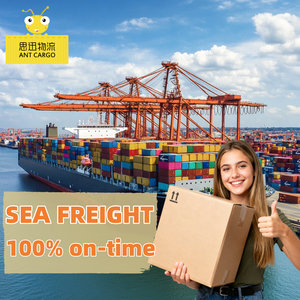
Full Container Load (FCL 20ft/40ft/40HQ) Direct Ocean Carrier Booking
Dedicated container allocations designed for heavy industrial machinery, construction materials, and high-volume commercial raw products entering major Philippine commercial ports.
Send an Inquiry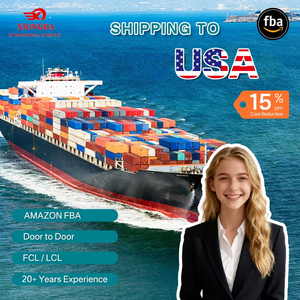
Rapid Sea Freight Forwarding with 24-Hour Telemetry Tracking
Time-critical ocean transportation route engineered to minimize delays during peak trade seasons, offering complete visibility from supplier pickup to destination unboxing.
Send an Inquiry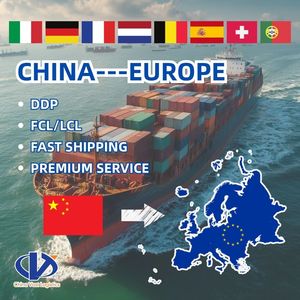
International Ocean Freight Forwarding to Visayas & Mindanao Ports
Specialized direct ocean routes connecting South China manufacturing hubs directly to Southern Philippines economic zones, bypassing Manila port bottleneck points.
Send an Inquiry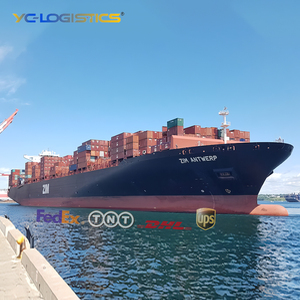
Weekly LCL Express Consolidation & De-consolidation Hub Services
Cost-optimized ocean freight solution for smaller cargo volumes. Pay strictly for used cubic space with free warehouse consolidation in Shenzhen, Guangzhou, and Ningbo.
Send an Inquiry
Cost-Effective All-Inclusive DDP Sea Cargo Delivery for Businesses
Streamlined logistics eliminating surprise landing costs. Transparent upfront quotation inclusive of marine insurance, customs processing, port charges, and trucking delivery.
Send an Inquiry
Specialized Heavy Equipment & Project Ocean Freight Forwarding
Tailored logistics for oversized industrial machinery, renewable energy hardware, and infrastructure project cargo requiring heavy-lift drayage and site delivery in the Philippines.
Send an Inquiry
Multimodal Maritime Shipping & Bonded Warehouse Network
Enterprise-grade maritime shipping solution combining international ocean feeder networks, customs bonded warehousing, and seamless port-to-warehouse drayage execution.
Send an InquiryNavigating China-to-Philippines Ocean Freight: Corridor Dynamics & Operational Benchmarks
As bilateral trade between China and the Philippines accelerates under the Regional Comprehensive Economic Partnership (RCEP), sourcing factory-direct goods requires more than basic port-to-port shipping. Importers face distinct operational bottlenecks including seasonal congestion at the Manila International Container Terminal (MICT), strict Bureau of Customs (BOC) Electronic-to-Mobile (E2M) compliance, and complex island-to-island domestic distribution.
Selecting an authoritative ocean freight factory and forwarder demands a clear understanding of total landed cost frameworks, container detention risks, and customs clearance protocols. In this industry white-paper, we evaluate the top operational criteria, localized application scenarios, and purchasing frameworks required to build resilient, cost-effective maritime supply chains serving Metro Manila, Luzon industrial zones, and the Visayas-Mindanao island provinces.
Port congestion in Manila North Harbor often incurs heavy demurrage fees. Tier-1 logistics providers leverage alternative gateway ports like Subic Bay Metropolitan Authority (SBMA) and Batangas Container Terminal (BCT) to bypass urban congestion and reduce inland trucking transit times by up to 36 hours.
Localized Application Scenarios across Philippine Import Sectors
Different industry verticals in the Philippines require tailored ocean freight configurations to balance speed, tariff compliance, and inland delivery logistics.
1. Industrial Machinery & Raw Materials
High-tonnage industrial equipment bound for economic zones in Cavite, Laguna, and Clark Freeport. Utlizes 40ft High Cube (40HQ) FCL containers routed via Batangas or Subic Bay to bypass Manila city truck bans and eliminate heavy-lift port delays.
2. Cross-Border E-Commerce & Retail Goods
Frequent, medium-volume shipments for e-commerce sellers on platforms like Shopee and Lazada. Shared LCL consolidation with end-to-end DDP handling ensures seamless entry through BOC CPRS accredited channels directly to Valenzuela or Bulacan fulfillment hubs.
3. Infrastructure & Construction Project Cargo
Out-of-Gauge (OOG) structural steel, prefabricated materials, and heavy earthmoving gear supporting national infrastructure projects under the "Build Better More" initiative. Requires Flat Rack ocean containers and multi-axle heavy drayage trucks.
4. Commercial Electronics & Solar Hardware
Sensitive photovoltiac solar panels and electrical components destined for provincial power installations in Visayas and Mindanao. Direct feeder vessel booking from Shenzhen to Cebu or Davao reduces inter-island transit damage risks.
5. Temperature-Controlled Agriculture Logistics
Reefer containerized ocean cargo for perishable foodstuff and cold-chain items. Involves continuous cold-chain monitoring, priority discharge protocols at Manila South Harbor, and expedited Bureau of Plant Industry (BPI) inspection filings.
6. FMCG & High-Turnover Household Goods
High-frequency 40HQ FCL logistics for supermarket chains and department store distributors. Integrated door-to-door ocean freight schedules with pre-cleared customs documentation prevent stockouts during peak holiday shopping periods.
Four Strategic Trends Shaping Philippines Ocean Freight Procurement
Logistics managers and supply chain directors must adapt to structural changes in Philippine maritime trade to maintain cost competitiveness.
A. RCEP & Form E Tariff Optimization
With the full implementation of RCEP alongside the ASEAN-China Free Trade Area (ACFTA), securing valid Form E Certificate of Origin documentation from Chinese suppliers allows Philippine importers to access zero or reduced preferential tariff rates across over 90% of industrial HS codes.
B. Migration to Decentralized Secondary Ports
To overcome chronic traffic congestion and truck banning restrictions in National Capital Region (NCR), top freight suppliers are redirecting container volumes toward Port of Batangas (for South Luzon) and Subic Bay (for Central/North Luzon), saving up to 25% in drayage costs.
C. End-to-End DDP Model Adoption
Traditional FOB (Free on Board) procurement is rapidly giving way to DDP (Delivered Duty Paid). Philippine SMBs prefer clear, all-inclusive per-cubic-meter (CBM) or per-container pricing where the forwarder assumes complete legal liability for BOC clearance, customs duties, and local taxes.
D. Digital Customs & Automated E2M Tracking
The Bureau of Customs’ ongoing digitization via the Electronic-to-Mobile (E2M) system requires error-free digital manifest transmission. Forwarders with direct electronic API integrations minimize physical document audit holds and achieve automated green-lane release status.
Ocean Freight Forwarder & Supplier Capability Benchmark
Compare critical service criteria when evaluating China-to-Philippines ocean freight logistics partners.
| Evaluation Criteria | Tier-1 Factory Forwarder (Cordaro Partner Framework) | Standard Non-Vessel Forwarder | Local Brokerage Only |
|---|---|---|---|
| BOC CPRS & E2M Integration | Direct API Link / Automated Green Lane | Manual Paper Submission | Third-Party Sub-contracted |
| China Origin Network | Owned Warehouses in Shenzhen, Guangzhou, Ningbo | Rented Shared Space | No Origin Presence |
| Transit Time Reliability | 7 - 10 Days (Guaranteed Ocean Slot) | 12 - 18 Days (Subject to Rollover) | Variable / Unpredictable |
| Demurrage Free-Time | 14 - 21 Extended Port/Detention Days | Standard 7 Days | Standard 5 Days |
| Pricing Model | All-Inclusive Transparent DDP / FCL Tiered | Unquoted Destination Port Fees | Customs Filing Fee Only |
| Cargo Security Credentials | CTPAT Verified / Marine Insurance Included | Basic Carrier Liability | None |
Purchasing & Logistics FAQ for Philippine Importers
Authoritative answers on customs duties, transit times, documentation, and shipping methods from licensed logistics experts.
What is the average ocean freight transit time from China factories to the Port of Manila?
Direct ocean container shipping from major South China ports (Shenzhen, Guangzhou, Xiamen) to Manila North or South Harbor typically takes 3 to 5 days on the water. Total port-to-door transit time—including customs clearance through the BOC E2M system and final warehouse drayage—ranges from 7 to 10 calendar days. Shipments originating from Eastern China (Ningbo, Shanghai) average 7 to 12 total days.
How are Customs Duties and VAT calculated when importing ocean cargo into the Philippines?
Philippine import tax is calculated based on the Landed Cost (CIF value + Customs Duty + Import Processing Fees). Standard Value Added Tax (VAT) is 12% applied to the total taxable land value. Tariff duty rates vary depending on the product’s Harmonized System (HS) code, ranging from 0% to 30%. Importers utilizing valid Form E (ACFTA) preferential certificates often achieve 0% duty on qualifying manufactured goods.
What mandatory licenses are required to import commercial goods into the Philippines?
To legally clear commercial ocean freight under standard FOB/CIF terms, an importer must hold a valid Tax Identification Number (TIN), obtain a Bureau of Internal Revenue (BIR) Importer Clearance Certificate (ICC), and register with the Bureau of Customs (BOC) Client Profile Registration System (CPRS). Alternatively, choosing a turnkey DDP (Delivered Duty Paid) door-to-door service allows buyers to import seamlessly without holding individual CPRS accreditation, as the forwarder acts as the consignee of record.
Should I choose Full Container Load (FCL) or Less than Container Load (LCL) for my cargo?
If your cargo volume exceeds 15 cubic meters (CBM) or weighs over 10 tons, booking a 20ft Full Container Load (FCL) is generally more economical and significantly faster, as it avoids container deconsolidation delays. For smaller volumes under 15 CBM, Less than Container Load (LCL) consolidation allows you to pay exclusively for the exact cubic space consumed, making it ideal for small-to-medium businesses testing new factory products.
How can importers avoid expensive demurrage and detention charges at Port of Manila?
Port demurrage accumulates quickly if containers remain at the terminal past the carrier’s free-time allowance (typically 5 to 7 days). Importers can prevent these charges by: 1) Submitting commercial invoices and packing lists for pre-clearance 5 days prior to vessel arrival; 2) Negotiating extended 14 to 21-day demurrage/detention free-time clauses with your freight forwarder; and 3) Diverting shipments during peak season to secondary gateways like Subic Bay or Batangas.
What is the difference between DDP and FOB shipping terms when buying from China factories?
Under FOB (Free on Board), the China supplier only covers transport to the origin port and export loading. You, as the buyer, are responsible for international ocean freight, marine insurance, BOC customs clearance, duties, VAT, and Philippine drayage. Under DDP (Delivered Duty Paid), your ocean logistics supplier handles the complete chain for an all-inclusive rate, delivering the goods straight to your designated warehouse with zero hidden destination charges.
Proven Heritage in International Ocean Freight & Licensed Customs Brokerage
Combining over 40 years of global supply chain management with specialized trade corridor expertise serving the Philippine market.
40+ Years Family-Run Accountability
Unlike impersonal digital freight portals, Cordaro Shipping brings four decades of hands-on customs brokerage experience. Every shipment is assigned a dedicated logistics specialist accountable for seamless delivery.
CTPAT Security Validated
As a certified Customs-Trade Partnership Against Terrorism (CTPAT) logistics partner, our supply chain security protocols ensure your cargo is handled through vetted, low-risk international transit channels.
End-to-End Multilingual Support
Our operations team communicates fluently in English, Spanish, and regional trade languages, bridging communication gaps between overseas factories, carrier lines, and local customs agents 24 hours a day.
Ready to Optimize Your Ocean Supply Chain to the Philippines?
Connect with our senior ocean freight specialists to receive a transparent rate breakdown, duty estimate, and transit schedule tailored to your business needs.