Recommended Supply Chain & Freight Infrastructure Solutions
Engineered specifically for OEMs, Tier-1 manufacturing suppliers, and e-commerce enterprises importing industrial hardware, electronics, raw components, and automotive assemblies into Hungary.
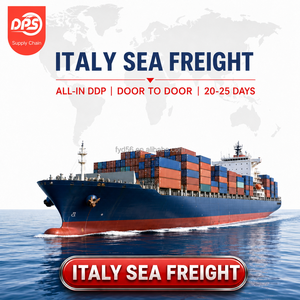
China-to-Hungary via Adriatic Corridor (Koper/Trieste) DDP Ocean Freight
Bypasses congested Northern European ports by routing cargo directly through Adriatic ports (Koper/Trieste/Genoa) into Hungarian inland bonded rail terminals.
- Transit Time:24 - 28 Days
- Incoterms:DDP / DAP / Door-to-Door
- Customs Port:Koper / BILK Budapest
FCL Door-to-Door Ocean Freight & Central European Fulfillment Hubs
Dedicated 20ft/40ft/40ft High Cube containerized shipping integrated directly with bonded warehouses across Budapest, Maglód, and Kecskemét.
- Container Types:20'GP, 40'GP, 40'HC, Reefer
- Best For:High-Volume Factory Inputs
- Clearance:Deferred NAV VAT Ready
Maritime DDP Shipping & China-Europe Railway Express Intermodal
Hybrid multimodal routing incorporating maritime feeder and China-Europe Silk Road Block Trains directly arriving at Budapest-Mahart Container Center.
- Rail Transit:14 - 18 Days Door-to-Door
- Route:Xi'an/Zhengzhou → Budapest
- Security:GPS Smart Lock Monitored
Priority Air & Ocean Express Freight with 24/7 Telematics Tracking
Expedited air charter and ocean express services tailored for time-critical automotive components and high-value semiconductor manufacturing lines.
- Air Transit:3 - 5 Days (Budapest BUD)
- Ocean Express:20 Days via Piraeus Express
- Visibility:Real-time Telematics IoT
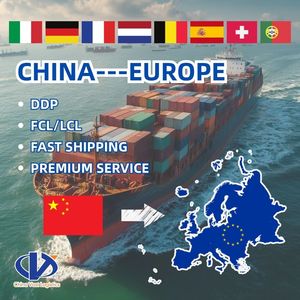
Direct FCL/LCL Consolidated Sea Shipping to CEE Inland Logistics Depots
Direct weekly consolidation boxes designed for medium manufacturing suppliers requiring strict landed-cost control without full container commitments.
- LCL Frequency:Bi-Weekly Direct Sailing
- De-Consolidation:BILK Logistics Park
- Cost Efficiency:Up to 35% vs Air Freight
Economical LCL Groupage & DDP Customs Clearance for Hungarian SMBs
Turnkey groupage shipping covering all EU entry duties, Hungarian NAV filing, and final-mile liftgate truck delivery to regional manufacturing plants.
- Minimum Volume:1 CBM / 300 KG
- Customs Bond:Included (EU UCC Bond)
- Final Haulage:Curtainsider Trucking
Budget-Optimized DDP Rail-Sea Intermodal Freight from East Asia to Hungary
Cost-engineered routing utilizing maritime transport to Mediterranean hubs combined with rail shuttles to Debrecen and Miskolc industrial zones.
- Target Hubs:Győr, Debrecen, Szeged
- Handling:Zero Inter-Terminal Delay
- Documentation:Full T1 & Single Entry
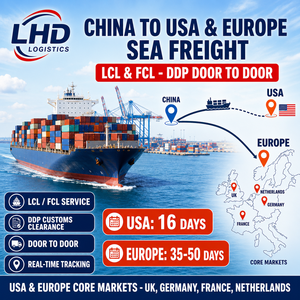
High-Speed Ocean-to-Bonded-Warehouse Transit with Deferred VAT Clearance
Customs-bonded logistics network enabling Hungarian factories to defer import VAT (ÁFA) liabilities until products enter domestic commercial distribution.
- Tax Structure:Deferred NAV VAT (Art. 211)
- Storage:Free-Trade Zone Warehouse
- Compliance:AEO / CTPAT Security
Hungary's Industrial Ecosystem & Localized Supply Chain Corridors
Hungary has rapidly emerged as Central and Eastern Europe's (CEE) primary industrial manufacturing bridgehead. Understanding localized supply dynamics requires direct integration with the country's main regional production engines.
Automotive Manufacturing Corridor (Győr & Kecskemét)
Home to mega-facilities like Audi Hungaria in Győr and Mercedes-Benz in Kecskemét. Our logistics architecture guarantees Just-In-Sequence (JIS) and Just-In-Time (JIT) delivery of precision stampings, engine components, and wire harnesses coming from Asian Tier-2 suppliers via Koper rail shuttles.
Key Hubs: Győr, Kecskemét, SzentgotthárdEV Battery & Clean-Tech Gigafactories (Debrecen & Szeged)
Debrecen has turned into Europe's epicenter for EV battery production with CATL, EVE Energy, and BMW's iFACTORY. We handle hazardous class 9 battery raw materials, cathode/anode precursors, and heavy industrial tooling under strict ADR international road transport and IMDG sea regulations.
Key Hubs: Debrecen Industrial Park, SzegedElectronics & High-Tech Assembly (Budapest & Székesfehérvár)
Supplying multinational EMS facilities (Foxconn, Flex, Videoton). We deploy temperature-controlled air freight via Budapest Ferenc Liszt International Airport (BUD Cargo City) and express container haulage to maintain unbroken component supply lines.
Key Hubs: Csepel Free Port, SzékesfehérvárStrategic Supply Chain & Logistics Trends in Hungary (2025–2030)
Navigating regulatory shifts, trade infrastructure modernization, and tariff optimizations to maintain competitive landed costs in Central Europe.
1. The Adriatic Intermodal Pivot
Northern European ports (Rotterdam, Hamburg) are increasingly bypassed by Hungarian procurement managers due to longer feeder transits and inland congestion. The Port of Koper (Slovenia) and Port of Trieste (Italy) offer a direct maritime entry, cutting ocean transit times by up to 7–10 days for Asian shipments routed via the Suez Canal.
2. China-Europe Land-Sea Express Line (Piraeus Route)
The strategic investment in the Piraeus-Skopje-Belgrade-Budapest high-speed railway has created a premier trade corridor. Ocean container vessels berth in Piraeus (Greece), offloading directly onto dedicated block trains arriving in Budapest inland container depots within 72 hours of vessel discharge.
3. Utilization of Article 211 NAV Deferred VAT Mechanism
To eliminate cash-flow strain, qualified Hungarian importers are leveraging indirect customs representation and Article 211 of the Hungarian Value Added Tax Act. This framework allows import VAT (ÁFA) to be declared and offset simultaneously in periodic tax returns rather than paid upfront at the border.
Comparative Matrix: Freight Entry Corridors to Hungary
| Corridor Mode | Primary Routing Port | Inland Transit Corridor | Avg. Transit (China → Budapest) | Reliability Index | Cost Efficiency Factor |
|---|---|---|---|---|---|
| Adriatic Sea-Rail Shuttle | Port of Koper / Trieste | Direct Electrified Rail Freight | 22 – 26 Days | 96.5% | High (Shortest Distance) |
| Piraeus Land-Sea Express | Port of Piraeus (Greece) | Balkan Express Railway Network | 20 – 24 Days | 94.2% | Optimal for High Volume |
| Northern Sea Route | Rotterdam / Hamburg | Truck / Rail Transit via Germany | 32 – 38 Days | 91.0% | Moderate (High Feeder Surcharge) |
| Eurasian Rail Express | Xi'an / Chengdu Terminals | Kazakhstan-Russia-Poland / Malaszewicze | 15 – 19 Days | 89.5% | Premium (Speed Critical) |
| Direct Air Freight Charter | BUD Cargo City (Budapest Airport) | Direct Air Freight / Expedited Truck | 3 – 5 Days | 99.1% | Highest Cost / Urgent Only |
Why World-Class Supply Chain Leaders Partner with Cordaro Shipping
Backing every container move with over 40 years of licensed U.S. customs brokerage, CTPAT security compliance, and international freight forwarder operational rigor.
Licensed Customs Brokerage & Compliance Risk Mitigation
Decades of mastery over Harmonized System (HS) code classification, origin verification, trade policy tariffs, and Union Customs Code (UCC) mandates. We mitigate the risk of costly CBP or NAV customs holds.
CTPAT Certified Supply Chain Integrity
Validated security protocols ensure end-to-end cargo protection from origin factory loading through ocean transit to inland container depots, protecting sensitive technology and automotive goods.
Seamless Turnkey DDP (Delivered Duty Paid) Risk Transfer
We assume full operational responsibility for freight booking, port handling, transit documentation (T1/NCTS), customs entry, duty disbursements, and final door-to-door delivery.
Tri-Lingual Global Control Towers
Direct live oversight by dedicated logistics dispatchers fluent in English, Spanish, and Italian, providing 24/7 proactive milestone reporting and instant bottleneck resolution.
Frequently Asked Questions: Importing Supply Chain Products to Hungary
Expert technical insights to streamline your procurement, compliance, and customs clearance workflows in Hungary.
Optimize Your Hungarian Supply Chain Strategy Today
Connect directly with our senior logistics architects and licensed customs compliance specialists. Receive an end-to-end landed cost calculation, door-to-door transit schedule, and personalized freight quote tailored to your factory's exact operational requirements.