Engineered China-to-Australia Border Clearance Products
Directly integrated with Australian Border Force (ABF) EDI systems and Department of Agriculture, Fisheries and Forestry (DAFF) biosecurity protocols. Select specialized clearance solutions tailored for Australian trade corridors.
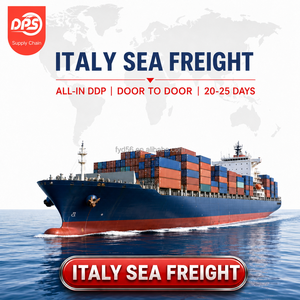
China to Australia DDP Sea Freight & Priority ABF Customs Clearance
- Full DDP / Door-to-Door Delivery
- Direct ICS Manifest Lodgment
- Pre-cleared before Vessel Arrival
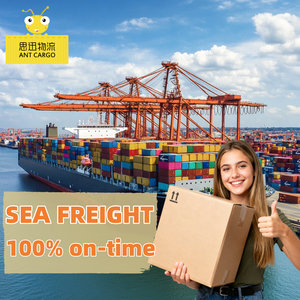
Automated FCL Ocean Cargo Clearance & Port Drayage Solutions
- 20GP / 40GP / 40HQ Full Container
- Sydney & Melbourne Port Pickup
- Demurrage & Detention Avoidance
LCL Shared Freight Consolidation with Integrated DAFF Quarantine Inspection
- Pay-per-CBM Flexible Pricing
- Off-dock CFS Clearance
- Timber & Plant Product Inspection
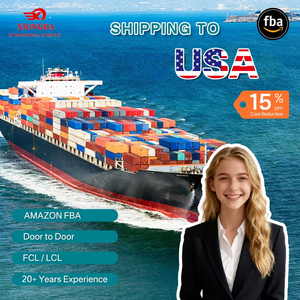
Time-Critical Air Freight Import & Rapid Border Release (SYD/MEL/BNE)
- 48-72 Hour Express Transit
- Pre-Arrival Airway Manifest Filing
- High-Value Commercial Cargo
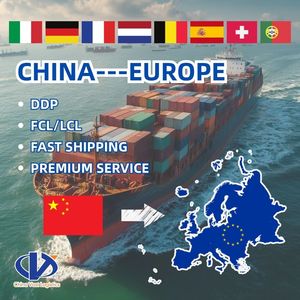
Renewable Energy & Machinery Border Clearance Exporter Project Logistics
- Solar Panel & BESS System Focus
- Heavy Oversized Flat Rack Drayage
- Duty Exemption Tariff Order (TCO)
ChFTA Duty Exemption Management & Form AU Certificate Processing
- 0% Preference Duty Tariff Audit
- Official CCPIT Certificate Filing
- Zero-Delay Clearance Verification
BMSB Stink Bug Treatment & Off-Shore Biosecurity Certification
- Official Offshore Fumigation Site
- Heat Treatment & Sulfuryl Fluoride
- Target High-Risk Goods (Target 44-92)
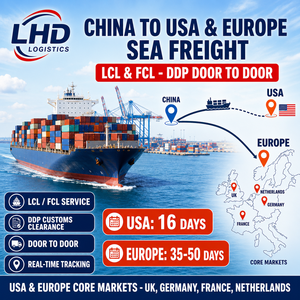
Cross-Border B2B E-Commerce Clearance (SAC & N10 Entry Filings)
- Under/Over AUD 1,000 Thresholds
- Amazon FBA & Local 3PL Direct Delivery
- Automated GST & IPF Collection
Tailored Logistics Infrastructure for Key Australian Industrial Corridors
Every Australian port precinct maintains unique operational challenges, from container slot booking requirements (1-Stop / Vehicle Booking System) to specific biosecurity quarantine staging zones.
Port Botany & NSW Industrial Belt
Navigating Sydney’s high-density import hubs requires precise coordination between terminal operators (DP World, Patrick, VICT) and off-site container de-stuffing yards. We specialize in rapid container drayage to Western Sydney distribution nodes (Parrramatta, Western Sydney Aerotropolis, Moorebank Intermodal Precinct), guaranteeing zero demurrage overhead for commercial construction, furniture, and building material suppliers.
Port of Melbourne & Victoria Retail Hubs
Serving as Australia’s largest containerized cargo terminal, Melbourne handles massive volumes of consumer retail goods, apparel, and automotive components. Our dedicated team manages direct integration with Melbourne’s Approved Arrangement (AA) sites for immediate DAFF inspection releases, ensuring seamless transit along the Hume Highway and city-fringe fulfillment centers in Truganina and Altona.
Brisbane & Fremantle Mining/Energy Corridors
Specialized breakbulk, flat-rack, and open-top container clearances serving Queensland and Western Australia’s resource sectors. We coordinate heavy-haul transport, oversize load permits with National Heavy Vehicle Regulator (NHVR), and stringent soil contamination biosecurity inspections for heavy machinery, structural steel, and solar farm equipment manufactured in China.
Evolving Regulatory & Market Trends in China-Australia Clearance
Staying ahead of regulatory updates enforced by the Australian Border Force (ABF) and Department of Agriculture, Fisheries and Forestry (DAFF) is critical for supply chain resilience.
Mandatory Offshore BMSB Enforcement
During the seasonal risk period (September 1 to April 30), DAFF mandates strict Brown Marmorated Stink Bug (BMSB) measures for target high-risk goods exported from China. Goods shipped without approved offshore heat treatment or sulfuryl fluoride fumigation face mandatory onshore quarantine delays or vessel re-exportation.
Digital Integration via ABF's ICS System
Paperless customs clearance has reached peak adoption. The ABF’s Integrated Cargo System (ICS) demands high-fidelity, real-time data submission. Inaccurate HTS classification or missing manufacturer origins automatically trigger automated system holds and manual auditing processes.
ChFTA Tariff Utilization & Compliance
While the China-Australia Free Trade Agreement (ChFTA) enables zero-duty entry for over 98% of Chinese exports, Australian customs authorities have intensified post-clearance origin audits. Exporters must provide validated Certificate of Origin (Form AU) issued by CCPIT or China Customs.
Green Supply Chains & ESG Tracking
Australian corporate importers increasingly demand carbon reporting across international trade lanes. As an forward-thinking exporter and clearance factory, we optimize vessel routing and container payload efficiency to drastically lower carbon intensity per ton-kilometer.
Mastering Australian Import Clearance Architecture
Eliminate unexpected border holds, quarantine rejections, and duty overpayments with our specialized operational intelligence.
| Entry Type / Requirement | Applicable Cargo Value | Primary Authority | Key Compliance Document | Clearance Lead Time |
|---|---|---|---|---|
| SAC Entry (Self-Assessed Clearance) | Below AUD $1,000 | ABF / DAFF | Air Waybill / Ocean Bill of Lading, Consignment Note | 2 - 6 Hours |
| N10 Formal Import Declaration | Above AUD $1,000 | ABF | Commercial Invoice, Packing List, HTS Classification, Bill of Lading | 4 - 12 Hours (Pre-Arrival) |
| DAFF Biosecurity Assessment | All Plant / Timber / Animal / Machinery | DAFF | Manufacturer Declaration, BMSB Certificate, Phytosanitary Cert | 12 - 24 Hours |
| ChFTA Duty Preferential Entry | Qualifying Manufactured Goods | ABF Customs | Certificate of Origin (Form AU) issued by China Customs/CCPIT | Instant (Submitted with N10) |
Understanding the Landed Cost Structure in Australia
Total landed cost for imports into Australia is calculated as follows:
Customs Duty = (Customs Value × Duty Rate %)
Import Processing Fee (IPF) = Fixed statutory fee based on entry type ($50 - $200+ AUD)
Goods and Services Tax (GST) = 10% × (Customs Value + Duty + International Transport & Insurance + IPF)
By leveraging our in-house trade specialists, we audit your Harmonized Tariff Schedule (HTS) codes and secure valid Free Trade Agreement (ChFTA) concessions to completely eliminate the 5% baseline tariff across eligible product categories.
Preventing DAFF Biosecurity Delays (Timber & Soil Rules)
Australia maintains the world's strictest biosecurity standards. Timber packaging materials (pallets, dunnage, crating) must strictly comply with ISPM 15 standards, featuring official heat treatment or methyl bromide stamps. Machinery or used equipment shipped from China must undergo rigorous high-pressure cleaning to remove soil, seed, or organic residues prior to export. Our factory-side clearance team conducts pre-loading biosecurity audits, guaranteeing 100% quarantine compliance upon arrival at Australian ports.
Why Top Australian Buyers Partner with Our China Clearance Factory
Over 40 years of combined international freight forwarding and customs clearance excellence, backed by licensed brokers and strategic hub infrastructure across mainland China and Australia.
Licensed In-House Customs Brokers
Unlike standard freight brokers who outsource compliance, we operate dedicated licensed customs brokers who interface directly with U.S. CBP and Australian Border Force (ABF) digital gateways. This eliminates middleman markups and guarantees instant entry filing.
CTPAT Equivalent & AEO Certified Security
Our supply chain security framework reflects CTPAT and Authorized Economic Operator (AEO) standards. High security integrity across factory origin packing, container seal verification, and tamper-evident transit protocols ensures your cargo receives priority low-risk border routing.
East & West Port Hub Network
With operational facilities positioned near major export ports in China (Ningbo, Shanghai, Shenzhen, Qingdao) and direct agency networks at all main Australian ports (Sydney, Melbourne, Brisbane, Adelaide, Perth), we deliver seamless door-to-door control.
24/7 Multilingual Trade Specialists
Our bilingual logistics coordinators communicate fluently in English, Mandarin, and Cantonese. We bridge cultural, legal, and operational gaps between Chinese factories and Australian procurement managers, providing round-the-clock live updates.
Frequently Asked Questions: Importing from China to Australia
Answers to common regulatory, customs, and operational questions asked by Australian buyers and China suppliers.
How does the BMSB seasonal regulation affect my shipments from China?
From September 1 to April 30 annually, DAFF enforces mandatory Brown Marmorated Stink Bug (BMSB) biosecurity measures. Target high-risk goods (including machinery, steel, vehicles, and electronics classified under HTS chapters 44, 45, 57, 68-70, 72-76, 84-85, 87, 88, 89) manufactured or exported from China must undergo approved offshore treatment (heat treatment or sulfuryl fluoride fumigation) before arrival in Australia. Uncertified shipments are turned back at the port.
What document is required to claim 0% import tariff under ChFTA?
To claim preferential 0% customs duty under the China-Australia Free Trade Agreement (ChFTA), the Australian importer must present a valid Certificate of Origin (Form AU) issued by an authorized Chinese authority, such as China Customs (GACC) or the China Council for the Promotion of International Trade (CCPIT). The product description and HTS code on the Certificate of Origin must match the commercial invoice and bill of lading exactly.
How is Australian GST (10%) calculated on imported commercial goods?
Australian GST is 10% of the taxable import value. The taxable import value equals: Customs Value (FOB price converted to AUD) + Import Duty + International Freight & Transit Insurance Cost + Import Processing Fee (IPF). Importers registered for GST with an Australian Business Number (ABN) can typically claim back this GST as an Input Tax Credit on their regular Business Activity Statement (BAS).
What is the difference between a SAC Clearance and a Formal N10 Entry?
A Self-Assessed Clearance (SAC) entry applies to import consignments with a total customs value of AUD $1,000 or less. SAC entries generally do not attract import duty or GST, and feature simplified clearance processing. An N10 Formal Import Declaration is legally required for goods valued over AUD $1,000, requiring full HTS entry, owner ABN declaration, duty and GST assessment, and payment of the ABF Import Processing Fee.
How do you avoid container demurrage and detention at Port Botany or Melbourne?
Australian container terminals provide strict free-time windows (typically 3 business days for port storage and 5-7 days for shipping line container detention). We prevent costly fees by pre-lodging import declarations via the ABF Integrated Cargo System (ICS) 48-72 hours prior to vessel discharge, securing early Vehicle Booking System (VBS) slots, and coordinating immediate drayage to our local off-dock container depot network.
Why work with a specialized China clearance exporter instead of a domestic agent?
Working directly with an integrated China border clearance factory ensures seamless origin-to-destination control. We resolve documentation mismatches, ISPM 15 timber stamping issues, and BMSB treatment compliance at the Chinese factory floor before export—eliminating the extreme financial risk of container quarantine holds, re-exportation orders, or costly delays upon arrival in Australia.
Ready to Streamline Your China-to-Australia Supply Chain?
Connect with our senior trade brokers today for a free tariff assessment, ChFTA duty optimization plan, and instant DDP logistics quotation for your Australian imports.
Get Catalog